
The Fire Warden's Role and Responsibilities Explained
Every safe evacuation has people quietly making it happen — checking rooms, calming nerves, counting heads. That is the fire warden. Here is exactly what the role involves, before and during an emergency.
A fire alarm is only the start of a safe evacuation, not the whole of it. Someone has to make sure people actually move, that no one is left in a back office or a toilet cubicle, and that everyone ends up where they can be accounted for. In an Irish workplace, that someone is the fire warden — sometimes called a fire marshal. It is one of the most practical and valuable safety roles in any building.
Why workplaces appoint fire wardens
Under the Fire Services Acts 1981 and 2003, the person having control of a premises must take reasonable measures to guard against fire and protect the people inside, with the local fire authority overseeing those duties. The Safety, Health and Welfare at Work Act 2005adds the employer's broader duty to protect staff. Appointing trained fire wardens is one of the most effective ways to meet both — it turns your written emergency plan into something that works on the day.
A good fire warden is not a hero who fights flames. They are an organiser who makes sure everyone gets out, calmly and completely.
What a fire warden does day to day
Most of the role happens long before any alarm sounds. Routine, low-drama vigilance is what prevents fires and keeps escape possible:
- Keep escape routes clear — watch for boxes, deliveries or furniture blocking corridors and exits.
- Check fire doors — they should never be wedged or propped open, and should close fully.
- Spot hazards early — overloaded sockets, build-ups of waste, damaged equipment.
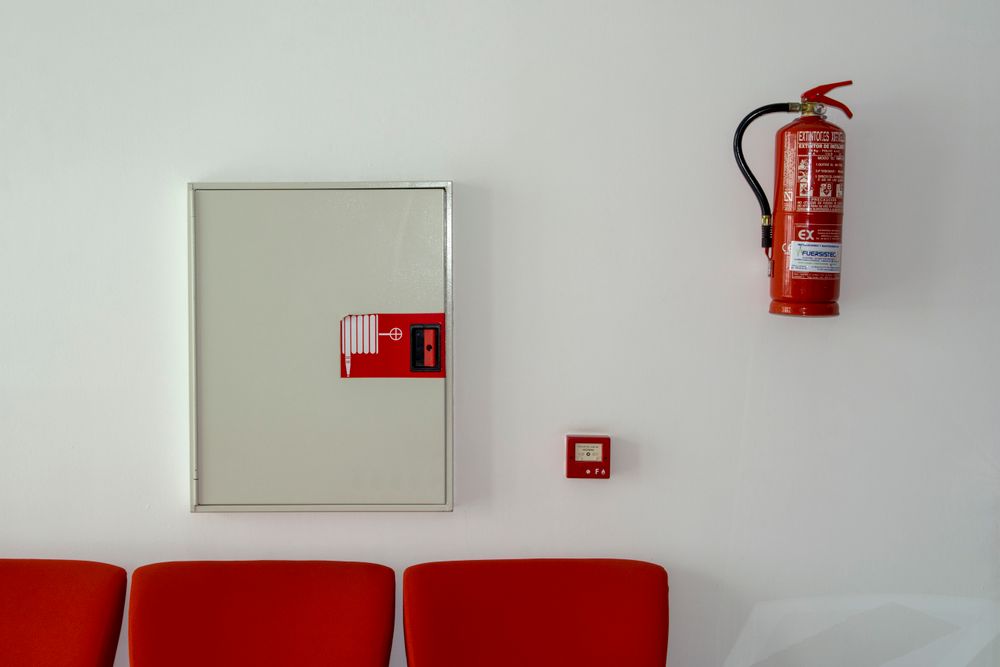
- Know the equipment — be aware of where extinguishers, alarms and call points are, and flag anything missing or out of date.
- Help with drills — support regular evacuation exercises and learn from how they go.
What a fire warden does in an emergency
When the alarm goes, the warden moves into a clear, rehearsed sequence. The exact steps depend on your premises, but they usually look like this:
During the evacuation
- Direct people calmly to the nearest safe exit and discourage anyone from going back for belongings.
- Sweep their assigned area — offices, meeting rooms, kitchens and toilets — to make sure no one is left behind, if it is safe to do so.
- Assist anyone who needs extra help to evacuate, following any personal evacuation plan in place.
- Close doors behind them where appropriate to slow the spread of fire and smoke.
At the assembly point
- Help account for people and report anyone believed to be missing to the person in charge.
- Pass clear information to the arriving fire service.
- Ensure nobody re-enters the building until it is declared safe.
✅ Key takeaways
- Fire wardens turn an emergency plan into a calm, complete evacuation.
- The role supports duties under the Fire Services Acts 1981 and 2003 and the 2005 Act.
- Most of the work is everyday vigilance — clear routes, working fire doors, early hazard spotting.
- In an emergency, wardens direct people, sweep their area if safe, assist those who need help, and report at the assembly point.
- Personal safety always comes first — wardens never put themselves at risk to fight a fire.
How many wardens and how they are trained
The right number depends on the size and layout of your premises, the number of people present and your shift patterns — there should be enough trained cover for every occupied area on every shift, with spares for holidays and absence. Wardens need proper training so they understand fire behaviour, your specific evacuation procedure, and the limits of what they should attempt. Knowledge has to be refreshed, because procedures change and skills fade.
Fire Safety training from €33
Self-paced, HSA-aligned, certificate the same day — €33 per person.
A role worth investing in
Trained fire wardens are one of the best-value safety investments a business can make — modest cost, enormous protection. To see how the role fits the bigger picture, read our employer's guide to fire safety in the workplace in Ireland, and make sure your wardens can act on a small fire by reviewing how to use a fire extinguisher.


