← Exit
Module 1 · What Makes a Confined Space0% complete · 21 slides left
Working in Confined Spaces
Module 1
This course contains audio. Use headphones in public places.
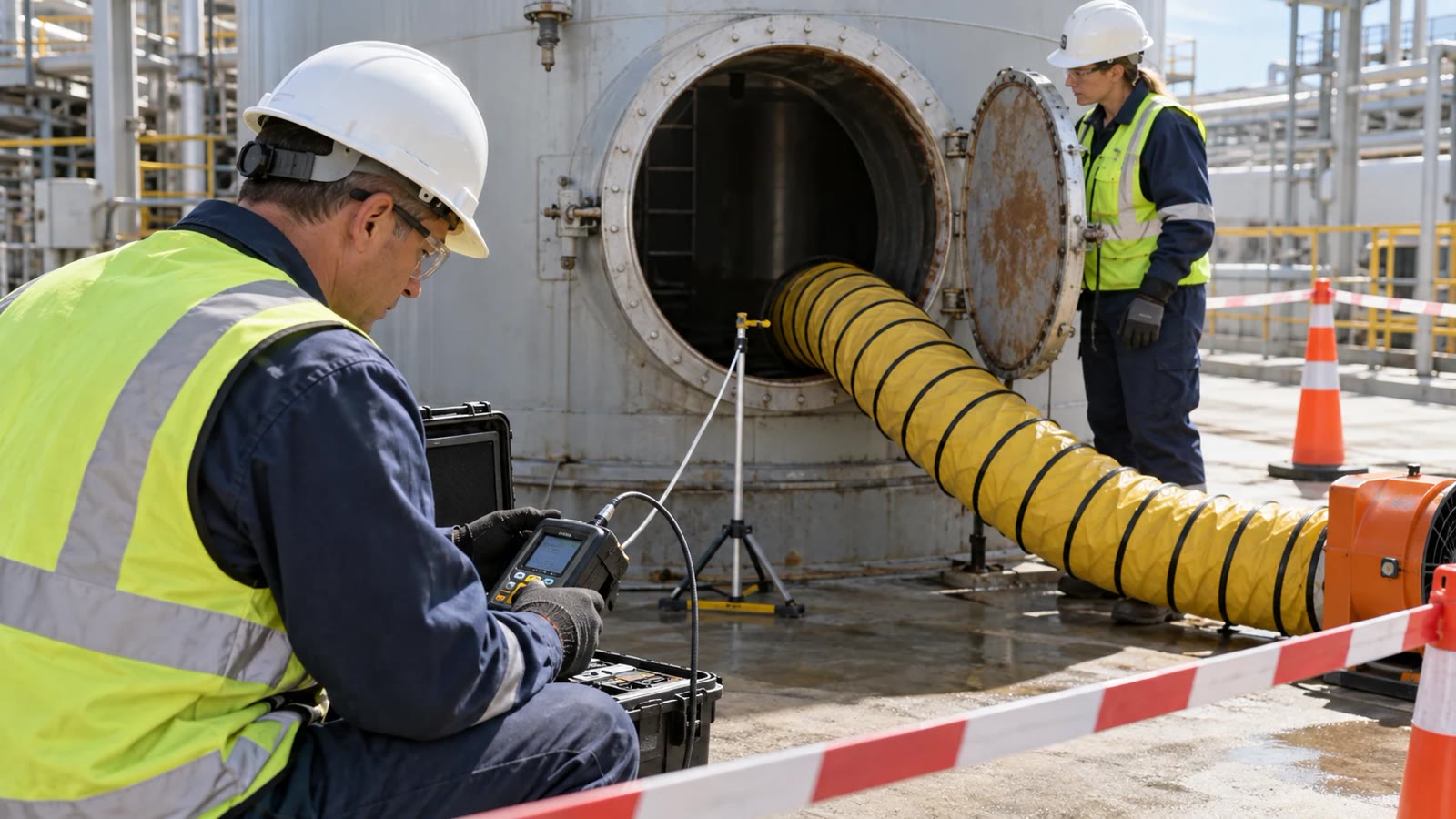
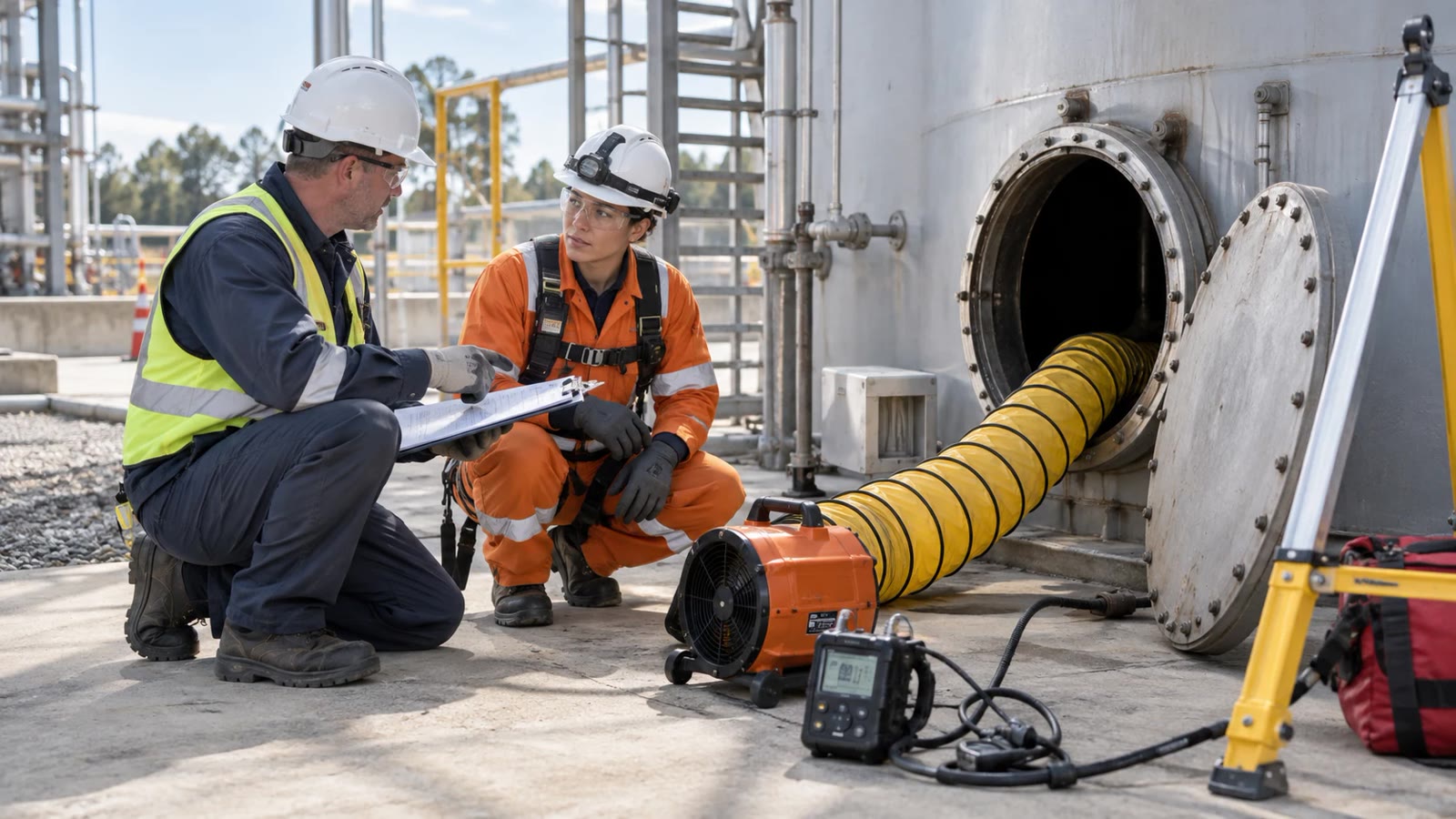
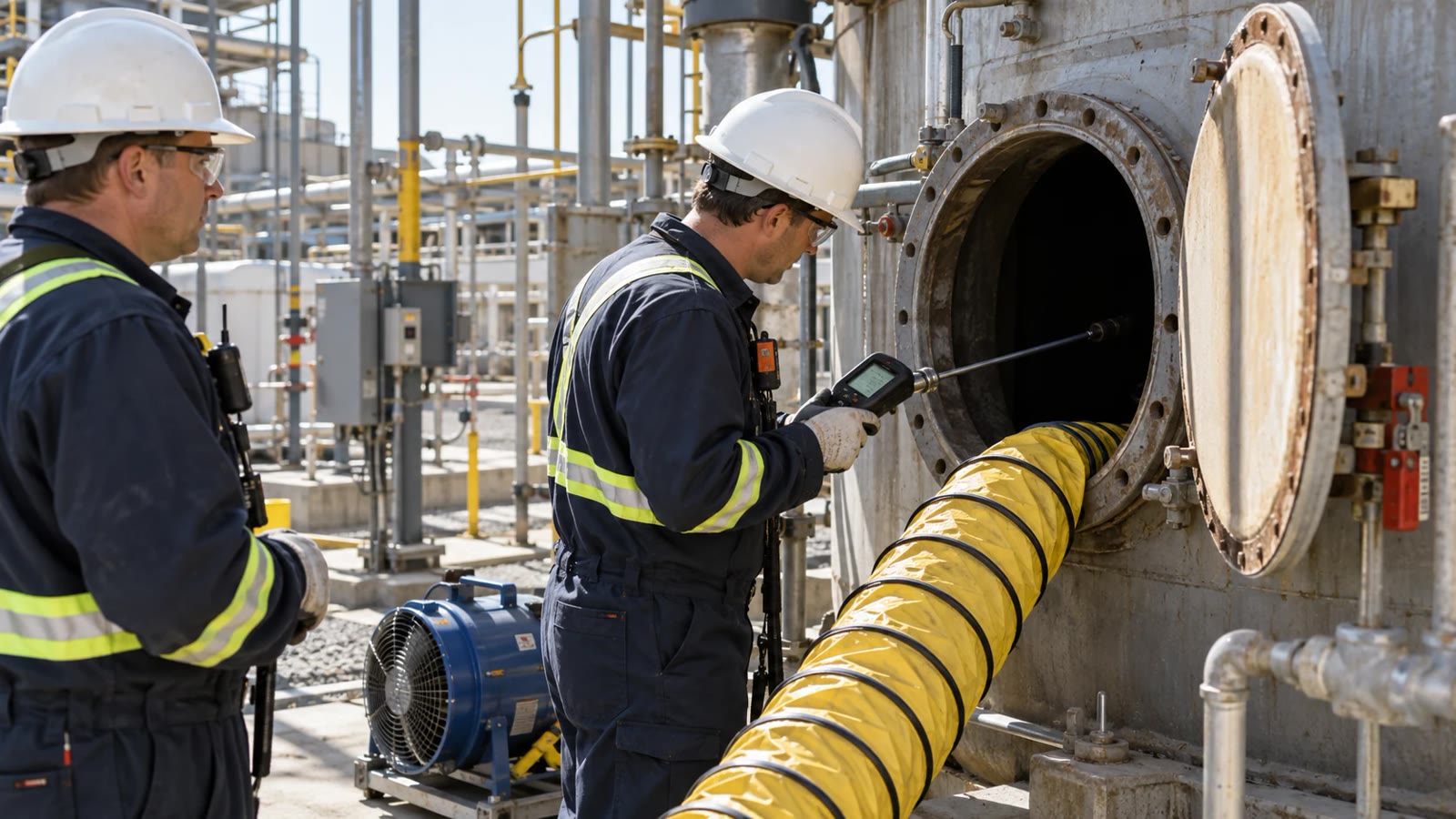
Why Confined-Space Work Needs Care

A restricted or enclosed work area can expose workers — and people close by — to serious harm.

Depending on the place and the task, hazards may include:

  • Fire, explosion, or drowning
  • Suffocation from oxygen shortage, gases, vapours, fumes, or airborne dust
  • Electric shock, a structural failure, or becoming trapped
  • Falls while entering, working, or leaving
  • Environmental changes such as rising water

Many serious incidents follow gaps in planning, supervision, or training. This course looks at practical ways to identify and control these dangers, using the health and safety requirements that apply in Ireland.
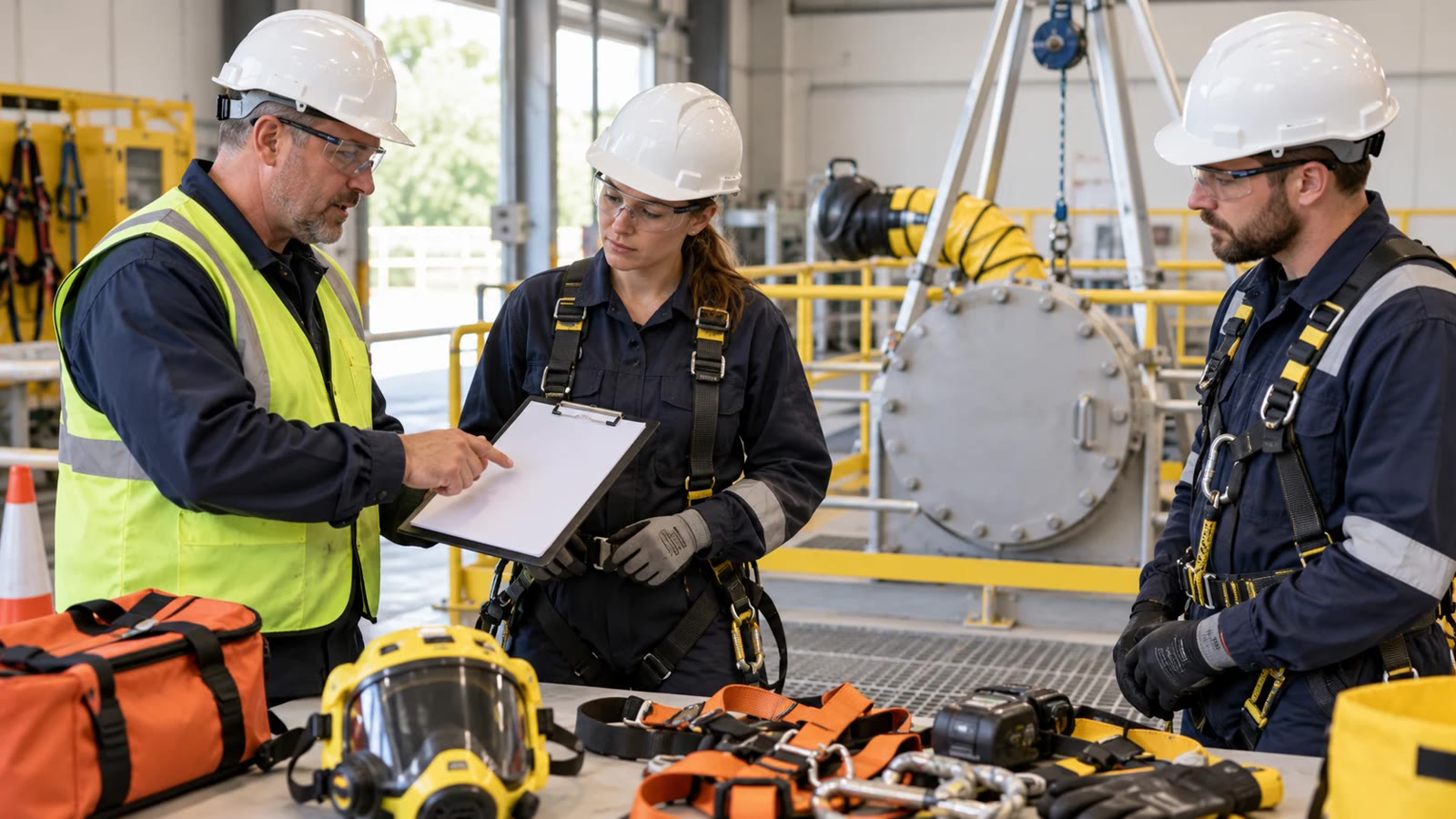
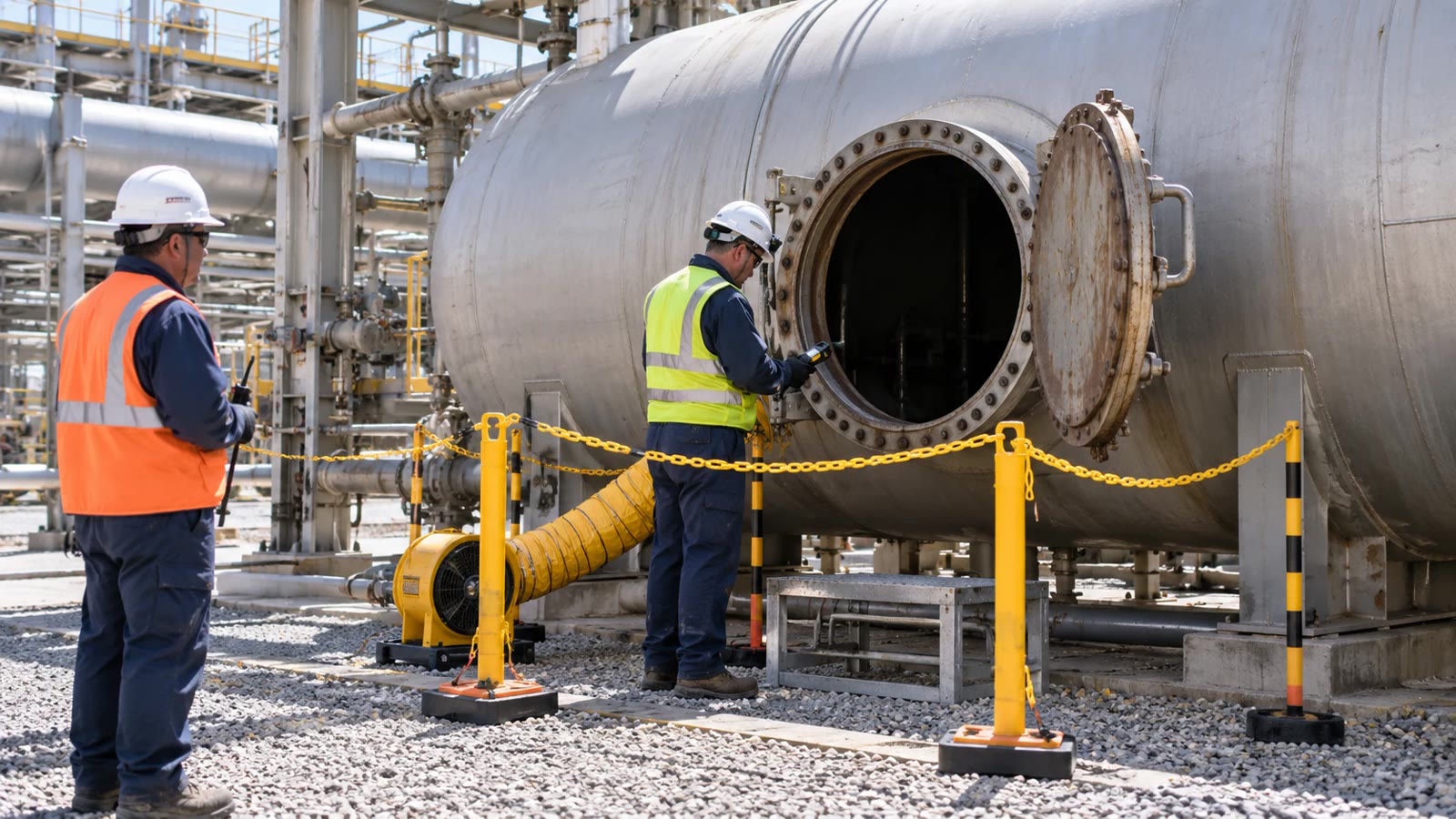
What You Will Learn
What You Will Learn

After completing this module, you should be able to:

  • Recognise what makes a space confined and how a work task can change its risk
  • Identify the hazards that are especially important in confined areas
  • Describe worker responsibilities and employer duties under the relevant law
  • Explain how a suitable risk assessment is carried out before work begins
  • Select and monitor practical safeguards for the task
  • Recognise why rescue arrangements must be planned in advance

Module Roadmap

We will work through these topics:

  • How to identify a confined space
  • Examples from workplaces in Ireland
  • The six listed hazards
  • Other hazards that may affect the job
How to Recognise a Confined Space

The Safety, Health and Welfare at Work (Confined Spaces) Regulations 2001 define a confined space as any place which, because of its enclosed nature, creates conditions that make an accident, harm or injury likely, serious enough to need emergency action.

The Health and Safety Authority (HSA) Code of Practice for Working in Confined Spaces explains that two conditions must both apply:

  • The area is substantially enclosed, whether fully or partly
  • At least one of the hazards listed in the definition is present or could reasonably arise
  • The area is substantially enclosed, whether fully or partly
  • A listed hazard is present or could reasonably arise

Such spaces are not defined by one fixed shape or access pattern. They may be:

  • Large or small — for example, a tank, silo, spray booth, or section of pipework
  • Fully enclosed or only partly enclosed
  • Straightforward or awkward to enter and leave
  • Visited occasionally or used as part of routine work
Places That May Be Confined Spaces

Examples found in Irish workplaces include:

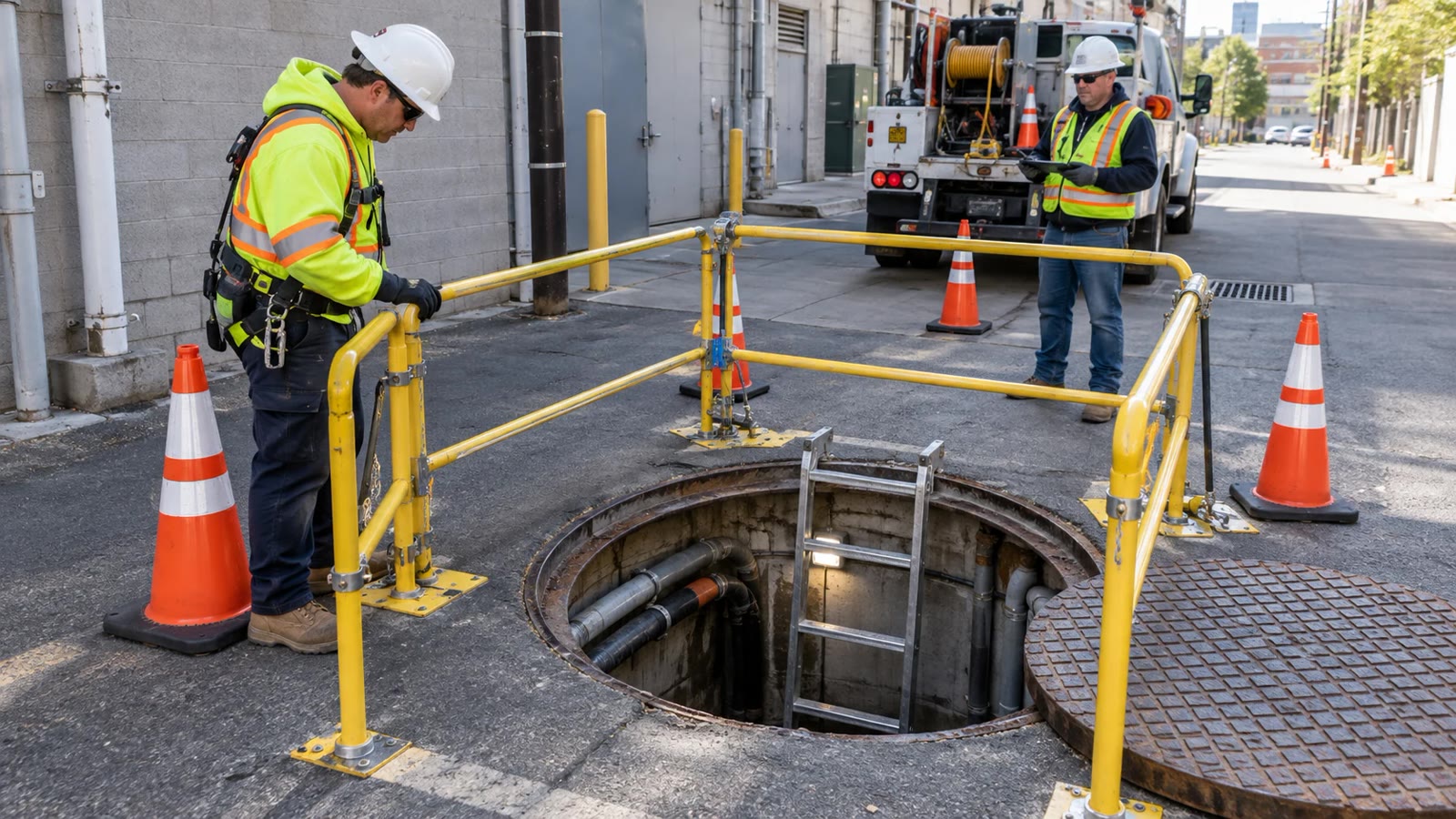
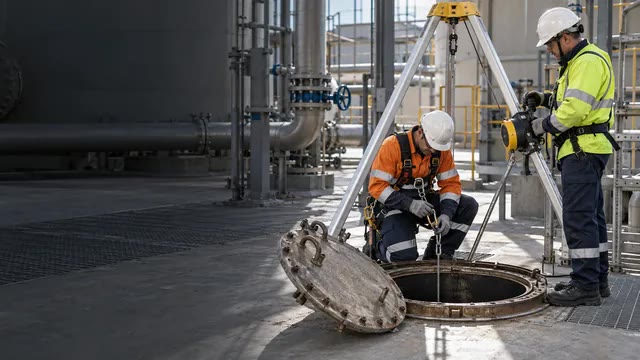
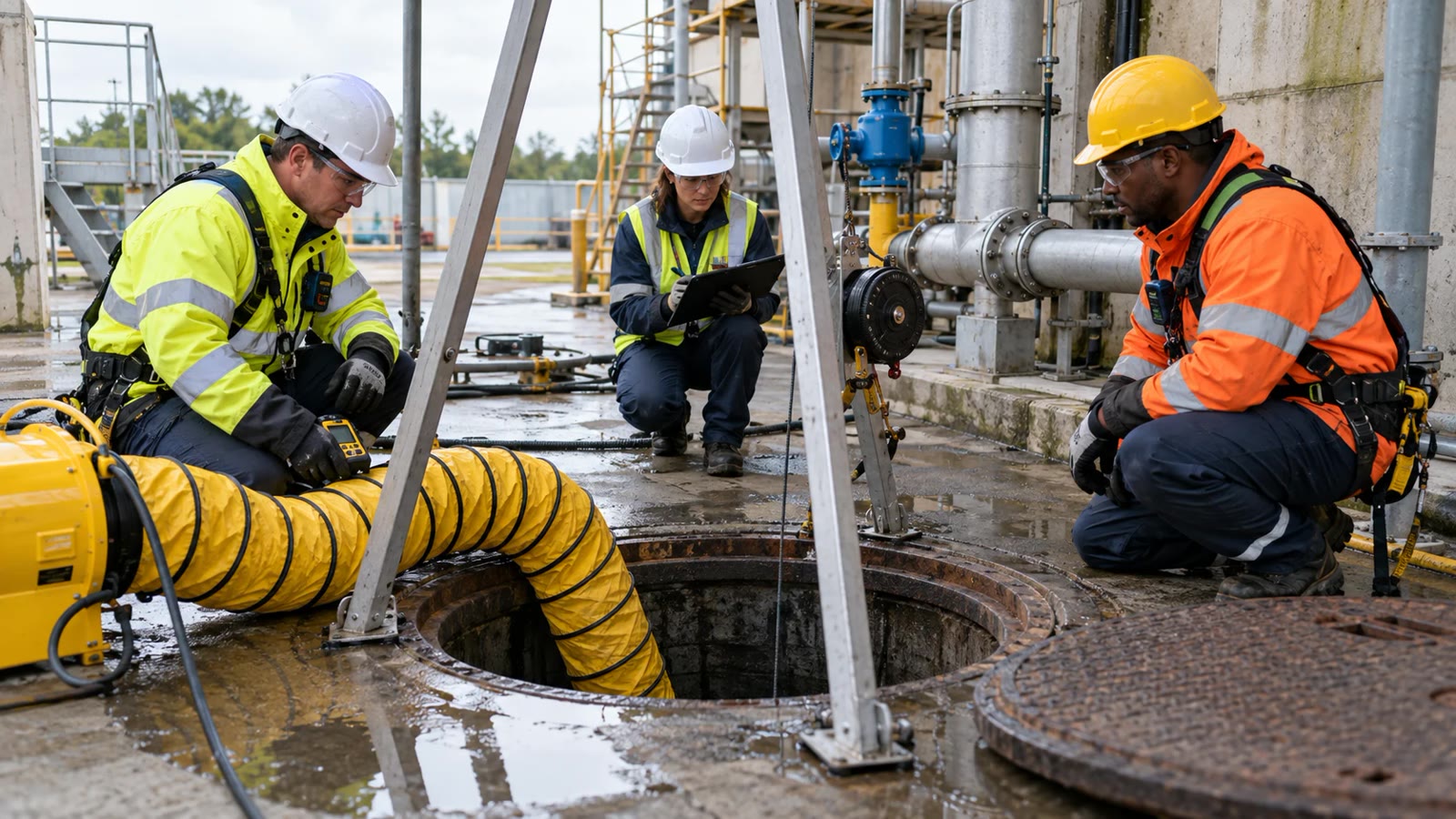
  • Manholes, tunnels, sumps, ducts, and enclosed roof voids
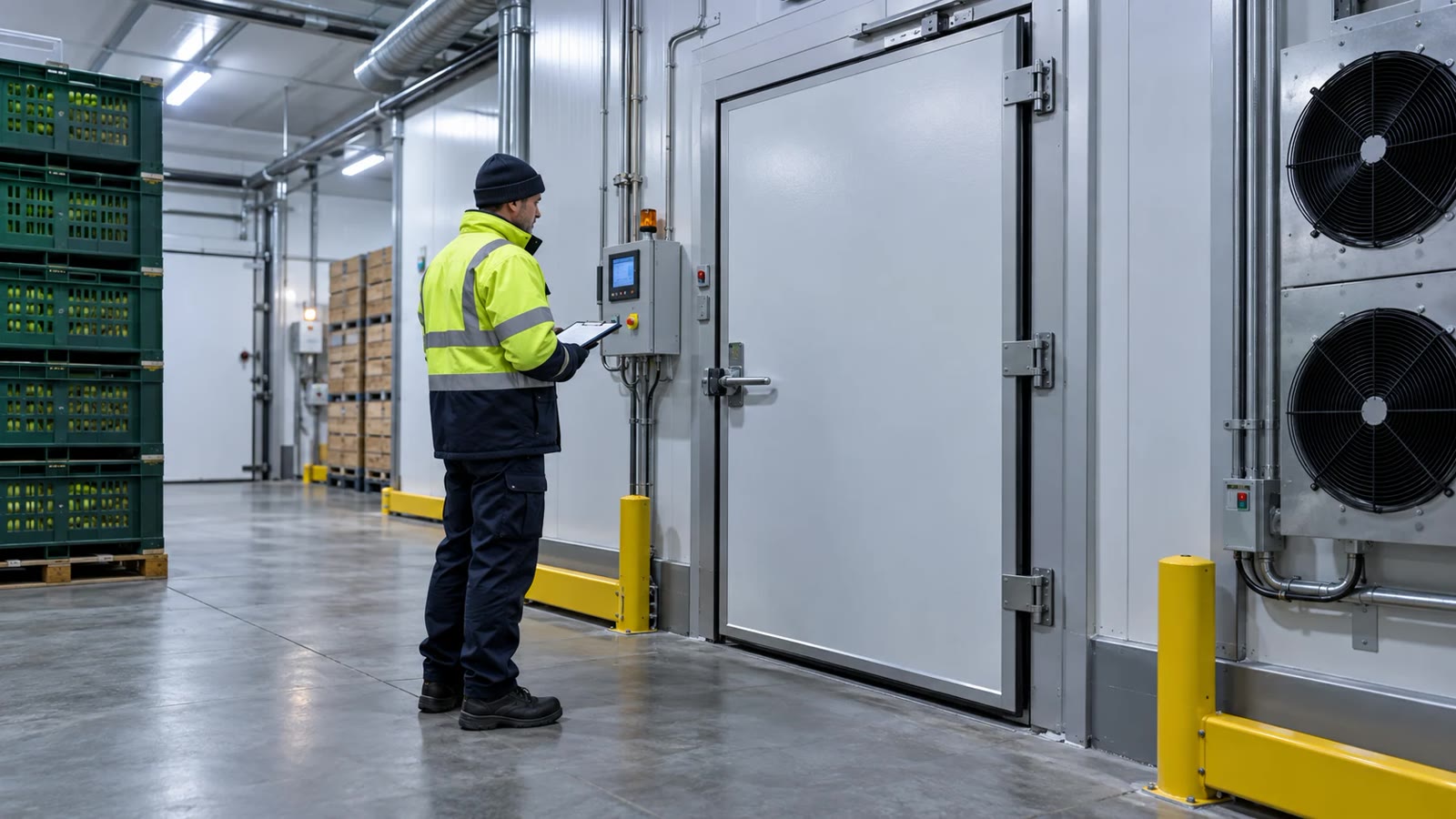
  • Cold rooms and areas with limited ventilation
  • Tanks, silos, and freight containers
  • Spray booths, combustion chambers, and service vaults

These examples are not a complete list. Assess each job by asking: is the area substantially enclosed, and is a listed hazard present or foreseeable?

A Work Task Can Change the Space

A location that seems ordinary can become a confined space when the work changes its atmosphere or access. Examples include:

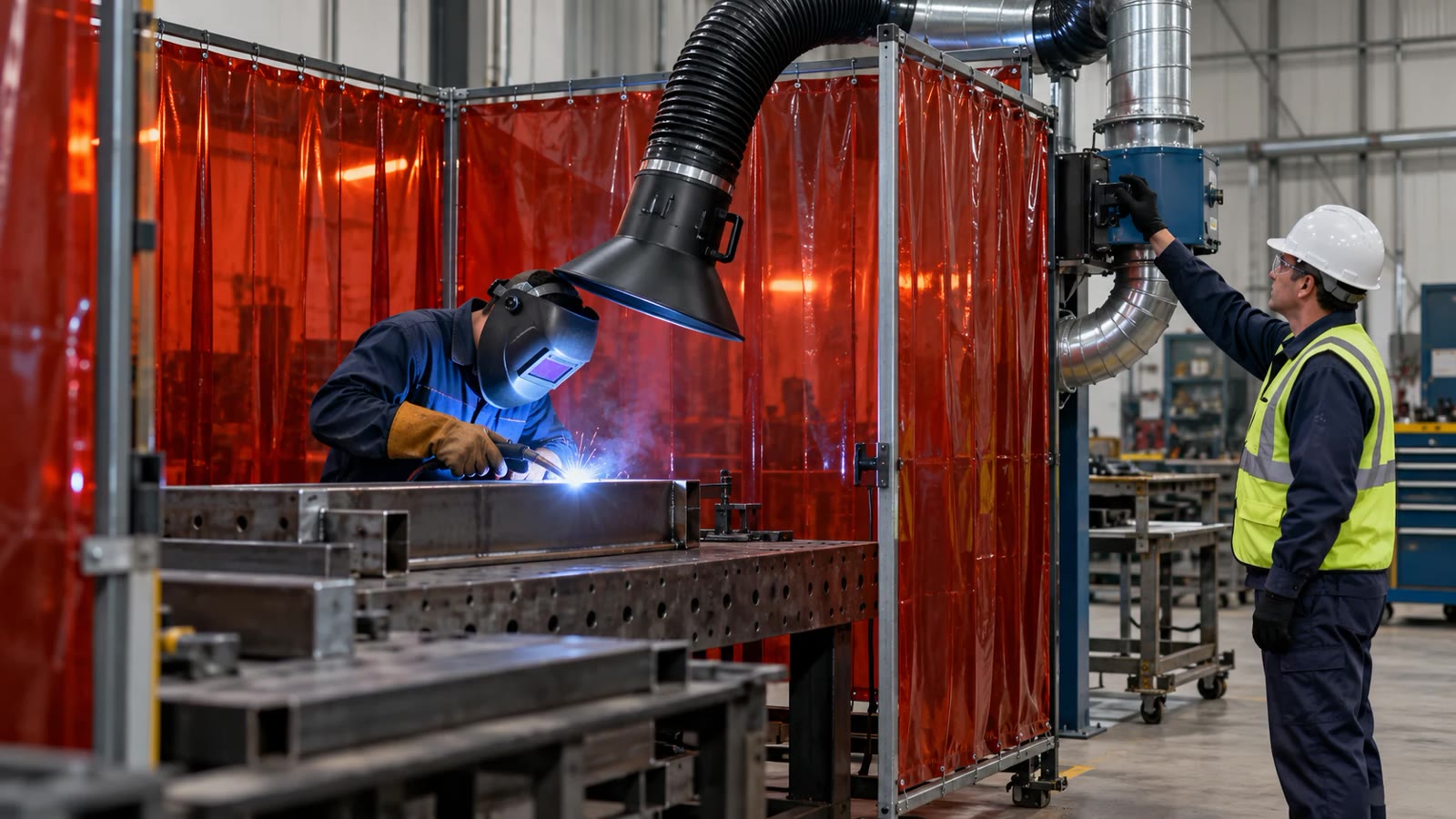
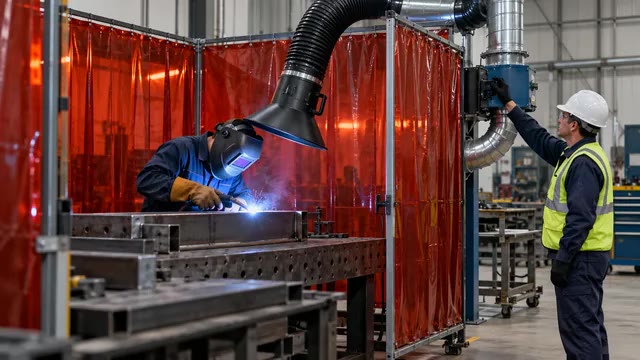
  • Welding in a poorly ventilated enclosure
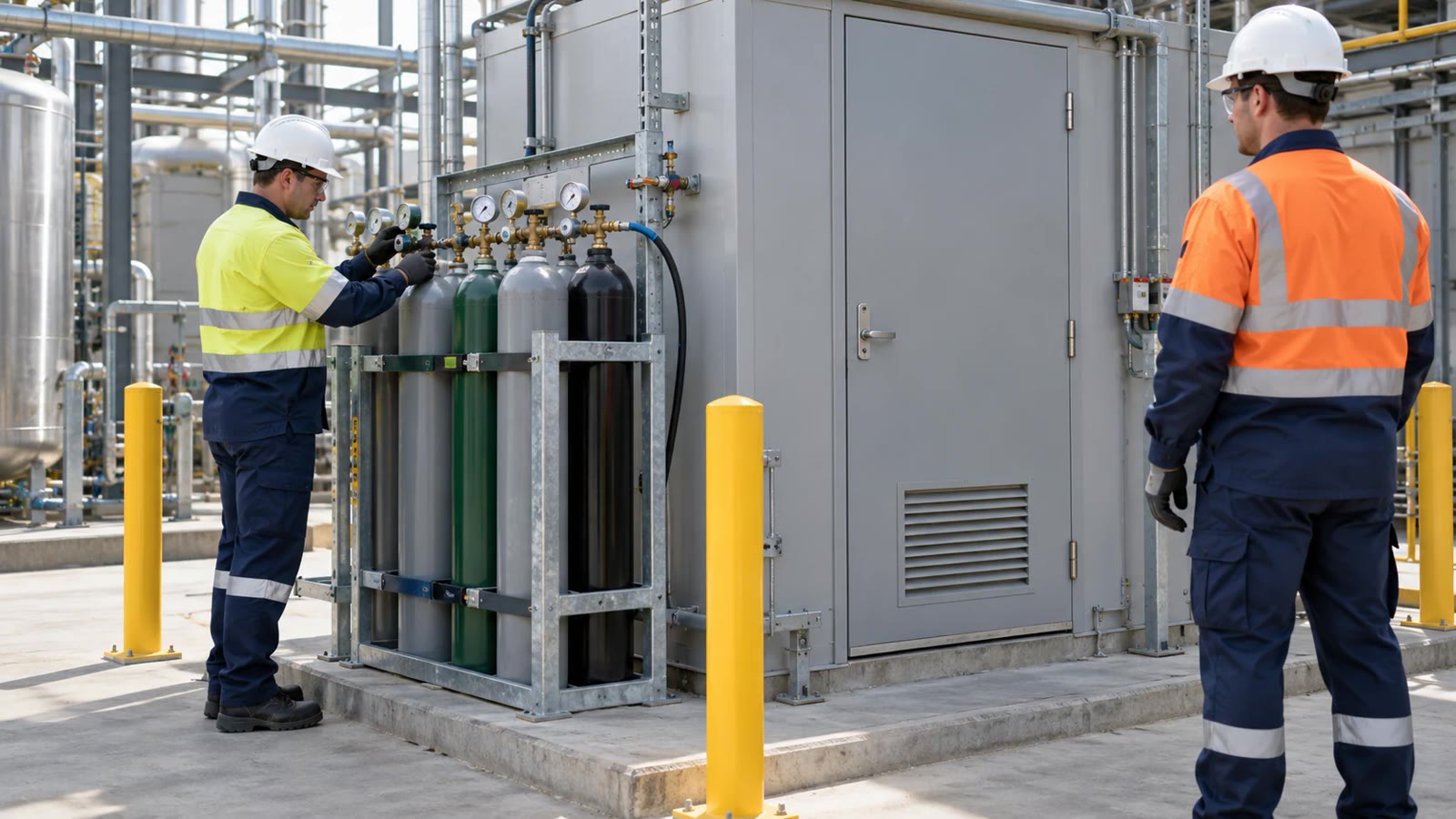
  • Using chemicals or compressed gas where fresh air cannot circulate
  • Applying paint or coatings by spray
  • Working in a room protected by oxygen-displacing fire suppression
  • Keeping wood pellets in an enclosed store

The name of the room alone does not decide the issue. Look at how the task, materials, ventilation, and degree of enclosure affect the risk.

How Changing Conditions Create Risk

A change in activity or conditions may introduce one of the listed hazards. For example:

  • Hot work can produce fumes that collect in an enclosed area
  • Gas released from cylinders or equipment can alter the atmosphere
  • Spraying coatings or using solvents can add hazardous vapours
  • Some fixed fire-suppression systems reduce the oxygen available to breathe
  • Stored wood pellets can release carbon dioxide as they break down

If the altered conditions create a foreseeable listed hazard in a substantially enclosed area, reassess the work and manage it as confined-space work.

Spaces With a Deliberately Altered Atmosphere

Some environments are designed to maintain an atmosphere different from normal air. Examples include:

  • Storage rooms where oxygen is reduced to protect food, archives, or other materials from spoilage or fire

The reduced-oxygen condition may be an intended feature of the room, rather than an accidental leak.

That does not make entry safe: where the space is substantially enclosed and the atmosphere creates a listed hazard, confined-space controls are required.

When Can the Classification Change?

A space may no longer meet the confined-space definition only when a reassessment confirms that the relevant conditions have changed. This could mean:

  • The listed hazard has been eliminated, not merely assumed to be absent
  • The area is no longer substantially enclosed

Any change must be supported by reliable checks and documented for the work concerned.

Do not rely on appearance or a previous reading. Continue to apply confined-space precautions until a competent reassessment shows they are no longer needed.

First Ask: Can Entry Be Avoided?

The starting point in confined-space law is to avoid entry where the work can reasonably be done another way.

Avoid sending anyone into the space if the task can be completed safely from outside.

Before planning entry, ask:

  • Does the space already contain a hazard?
  • Could the planned activity or changing conditions introduce a risk?

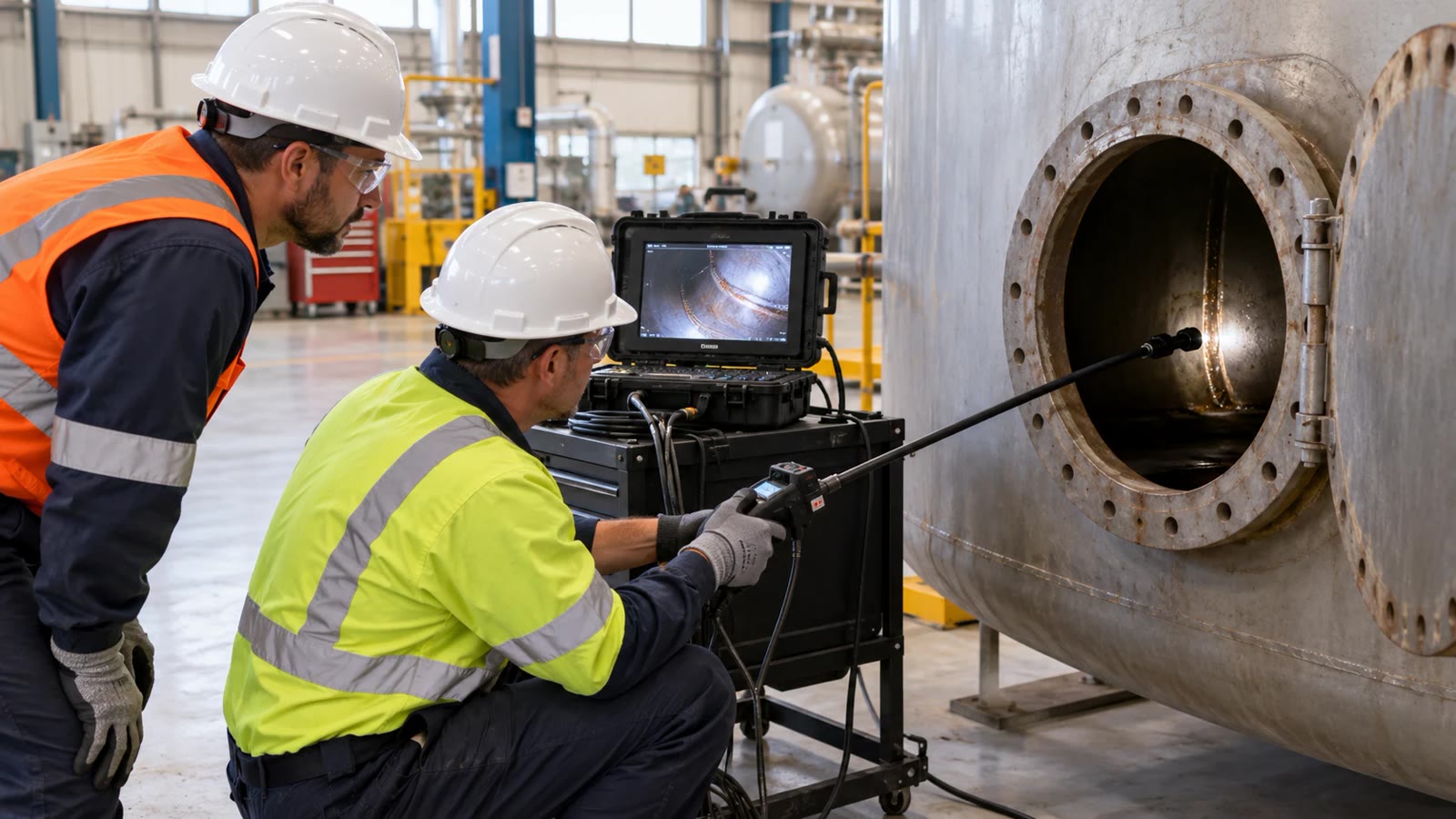
Consider remote tools, external inspection, or redesigning the task. If entry remains necessary, assess the risks and put a suitable safe system of work in place before anyone enters.

Six Listed Hazards to Recognise

The 2001 Regulations list the hazards that can make an enclosed place a confined space. Each one can be present, or reasonably foreseeable:

  • A flammable or explosive atmosphere
  • Harmful gas, fume, or vapour
  • Free-flowing solids, or an increasing level of liquid
  • An excess of oxygen, which makes materials burn far more fiercely
  • An excessively high temperature
  • A lack of oxygen

A single one of these, present or foreseeable, can make a substantially enclosed space subject to confined-space controls.

Listed Hazard: Fire, Explosion, or Excess Oxygen

An explosive atmosphere can develop from sources such as:

  • Vapour left by flammable liquids, including fuel residues
  • Leaking or released flammable gas
  • Oxygen escaping from a welding hose, which can intensify combustion
  • Fine combustible dust from products such as flour, sugar, or grain

In a restricted space, a modest amount of flammable vapour may build up. Identify the source and assess the atmosphere before work.

Listed Hazard: Heat Build-Up

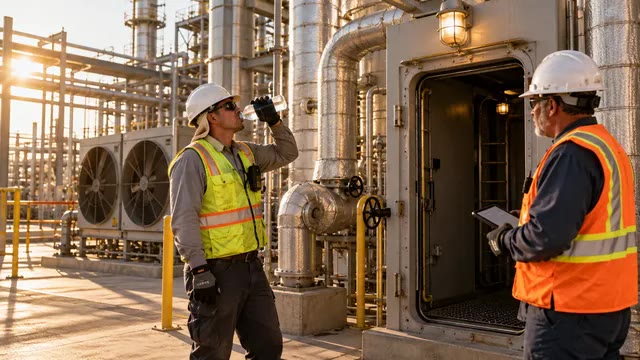
Heat inside an enclosed area can build up and cause:

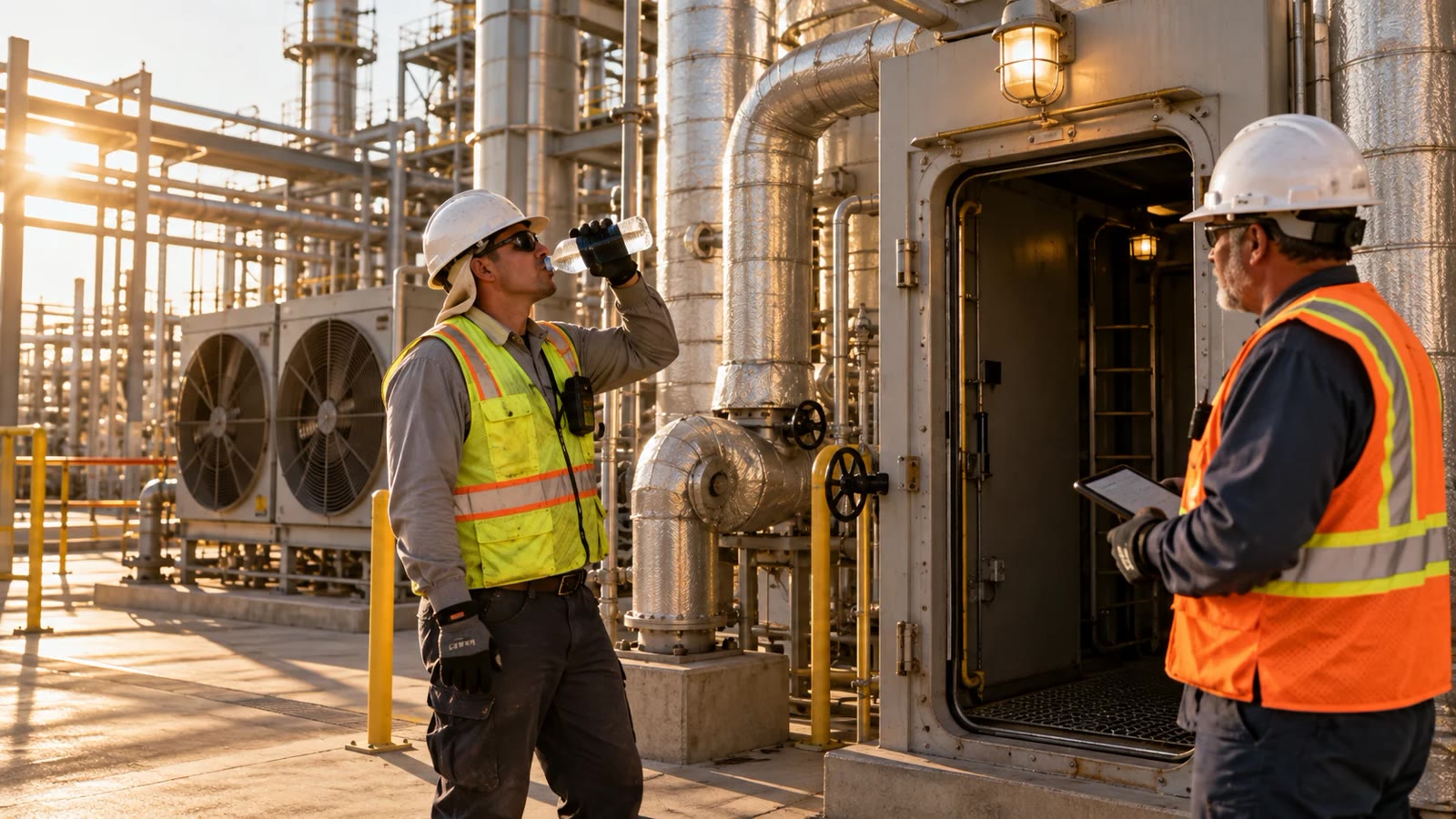
  • Heat exhaustion or heat stroke
  • Dizziness, collapse, or loss of consciousness
  • A dangerous rise in body temperature from a hot space or strenuous work

The change may be gradual. Protective clothing, heavy effort, and weak airflow can add to the strain.

Listed Hazard: Harmful Gas, Vapour, or Fume

Possible sources include:

  • Fuel or chemicals left behind after earlier work
  • Exhaust from engines or nearby combustion equipment
  • Fumes from welding, painting, or cleaning products
  • Gas released as stored material ferments or decomposes

Some contaminants can gather in low points or remain unnoticed. The assessment should consider how they may spread through the space.

Where Could the Atmosphere Change?

Think about what is connected to, stored in, or used around the space:

  • Residue on internal surfaces or in connected lines
  • Engines running near an opening or ventilation intake
  • Hot work, coatings, solvents, or cleaning agents used during the job
  • Biological activity in organic waste or stored products

A safe reading at one point does not describe every part of the space. The planned assessment and monitoring should account for likely sources and locations.

Listed Hazard: Too Little Oxygen

Oxygen can be reduced by:

  • Rusting or other reactions that consume oxygen
  • Purging the space with an inert gas such as nitrogen
  • Fermentation or decomposition
  • Poor air exchange or a lack of fresh-air movement

Low oxygen may affect judgement and coordination before a person recognises what is happening; severe deficiency can quickly cause collapse or death.

Listed Hazard: Rising Liquid

Water or another liquid may enter unexpectedly because of:

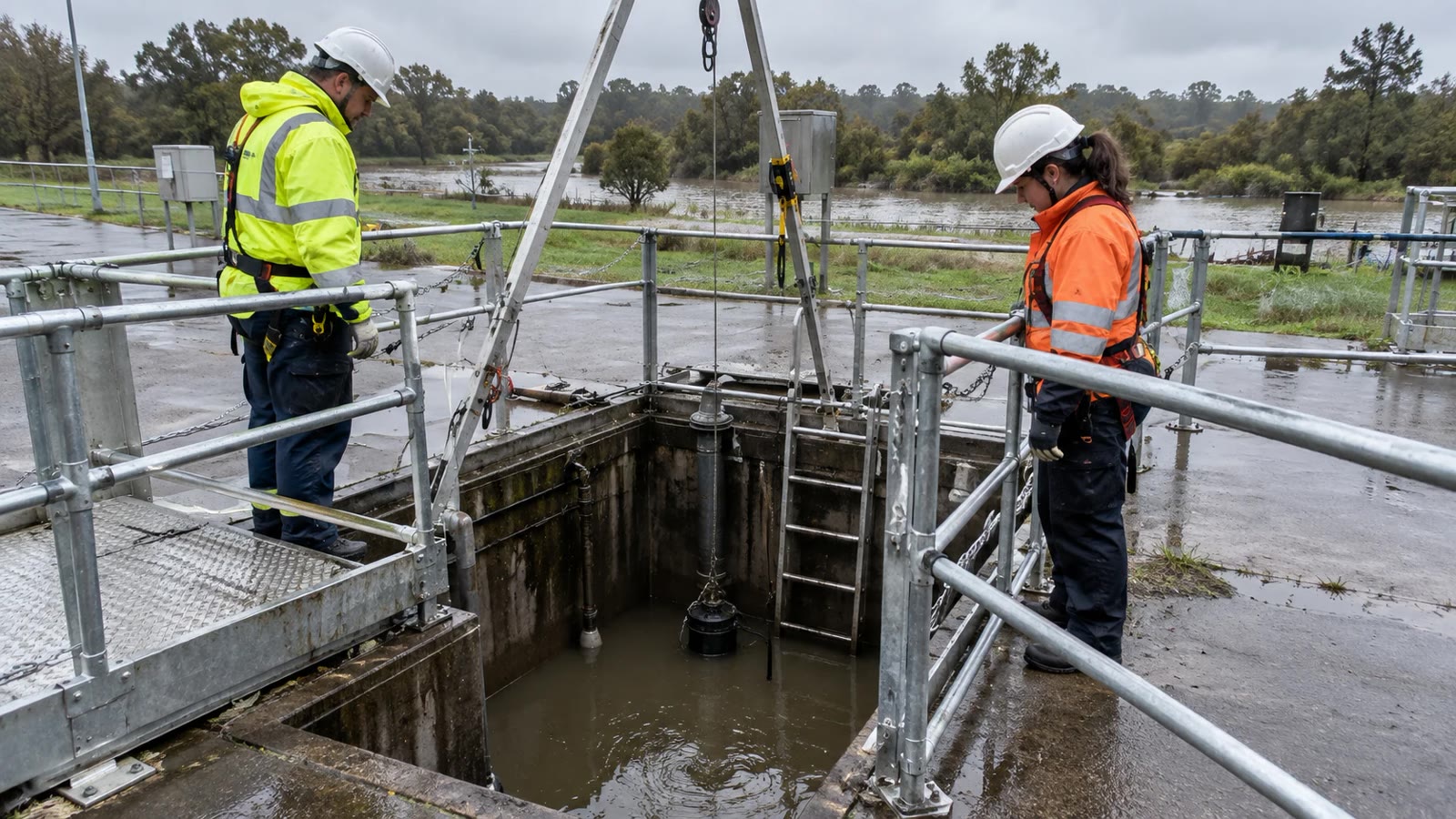
  • Heavy rain, surface flooding, or rising water
  • A leak or release from a tank, pipe, or process line
  • An overflowing drain or sudden flow through a channel

In a narrow space, even a shallow flow can prevent a person from moving or breathing freely.

Listed Hazard: Free-Flowing Solids

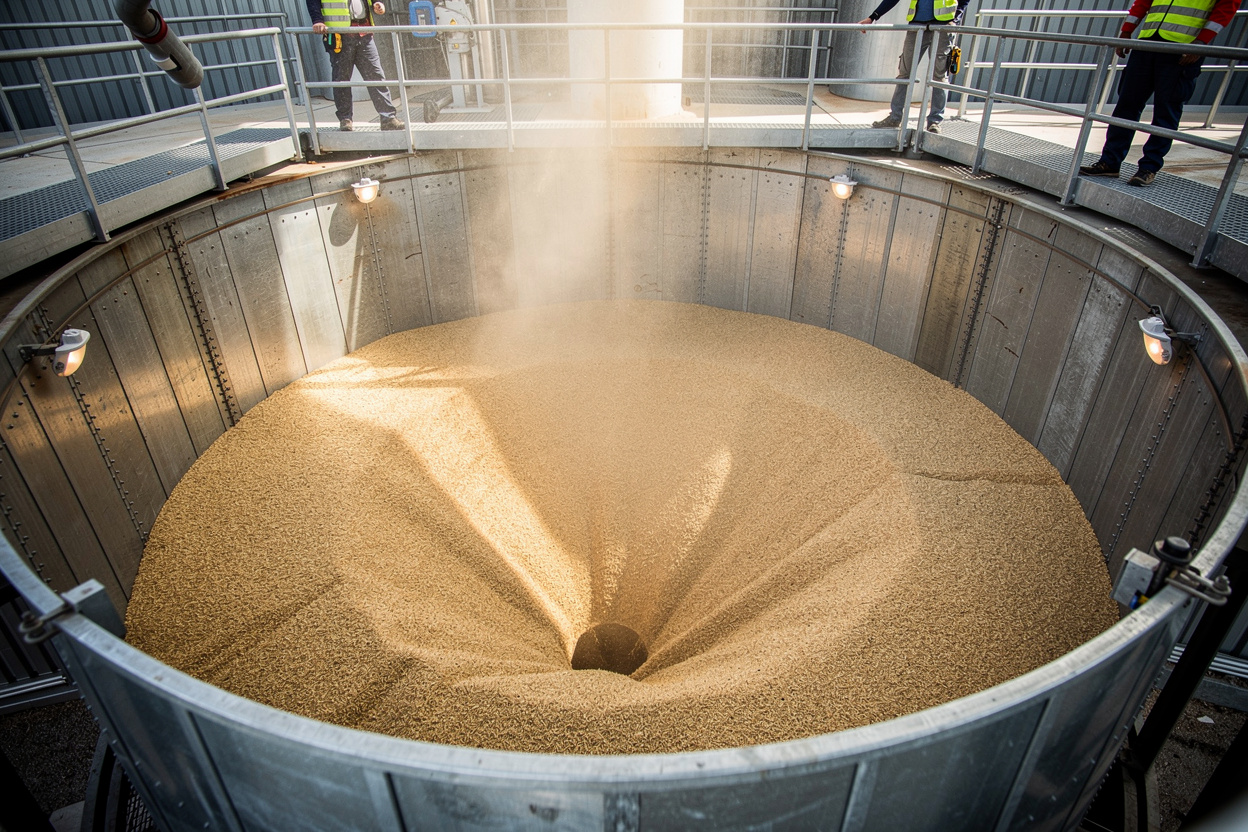
Loose solids can shift around a person and act much like a fluid, creating an engulfment and suffocation risk. Examples include:

  • Grain, flour, sugar, and similar products
  • Sand, powdered materials, and coal dust

Never assume a settled surface is stable. Work around silos and bins requires controls that prevent material movement and protect people from engulfment.

Other Hazards: Access and Stability

The six listed hazards are not the only dangers to assess. Also consider:

  • Slippery surfaces, trip hazards, and falls
  • Weak covers, fragile floors, or corroded supports
  • Unstable structures or a possible collapse
  • Electrical equipment, cables, or conductive surfaces
  • Dim light or obstructed visibility

Include these hazards in the work plan; a confined-space entry can make ordinary hazards harder to avoid and harder to respond to.

Other Hazards: Equipment and Rescue

The task may also involve:

  • Noise that masks alarms or spoken instructions
  • Tools, machinery, or moving parts
  • Dust, bacteria, or other biological agents
  • Stored or live energy that has not been safely isolated

These conditions can complicate rescue, so plan controls for the work and the emergency response together.

Summary

Key points from this module:

A confined space is substantially enclosed and has at least one listed hazard present or reasonably foreseeable. It does not need to be completely sealed. The space may be a small chamber, a large room, an above-ground structure, an underground location, or a part of a plant. Decide by checking both enclosure and risk, rather than by size or name alone.

The 2001 Regulations list six hazards: a flammable or explosive atmosphere; harmful gas, fume, or vapour; free-flowing solids or rising liquid; excess oxygen; excessively high temperature; and lack of oxygen. Any one of them, present or foreseeable, brings confined-space controls.

Assess other hazards as well, such as falls, fragile surfaces, collapse, electric shock, entrapment, noise, machinery, dust, and biological agents. Controls may need to be more thorough than for similar work in an open area, because hazards can build up and rescue may be difficult. Avoid entry where possible; if entry is necessary, plan the safe system and emergency arrangements first.

In the next module, we will look at the law, and at the duties of everyone involved in confined-space work.

Knowledge Check
Before confined-space work, which action is part of a worker’s responsibilities?
Select one answer, then press Check.
Treat every confined space as small, with a narrow entrance.
Follow the agreed safe system of work and report any change in conditions.
Classify any open, unenclosed area as a confined space automatically.
Assume a space can never change classification, even after conditions change.
Correct. Workers follow the agreed safe system, and report any change in conditions straight away.
Not quite. Think about what a worker does to keep the agreed safe system effective, and try again.
Get the full course →Answer the question to unlock the next module.
Page 1 of 22