← Exit
Module 1 · Introduction to Warehouse Health and Safety0% complete · 19 slides left
Warehouse Safety
Warehouse Safety
Module 1
This course contains audio. Use headphones in public places.
Introduction
Introduction

Warehousing is a major industry in Ireland. Warehouse work is varied, but it commonly involves preparing and completing orders, moving and rotating stock, and the general processing of products.

Warehouses are large, busy places, and the work can be dangerous. Employers and managers are responsible for assessing the risks and putting effective controls in place. Everyone in the warehouse then has a part to play in following those controls. Good health and safety protects people, and it also protects your premises, your goods and your reputation.

Course Aims
Course Aims

By the end of this course, you will:

  • Understand the legal duties that apply to warehouse safety.
  • Know the health hazards that may be present in a warehouse, and how to control them.
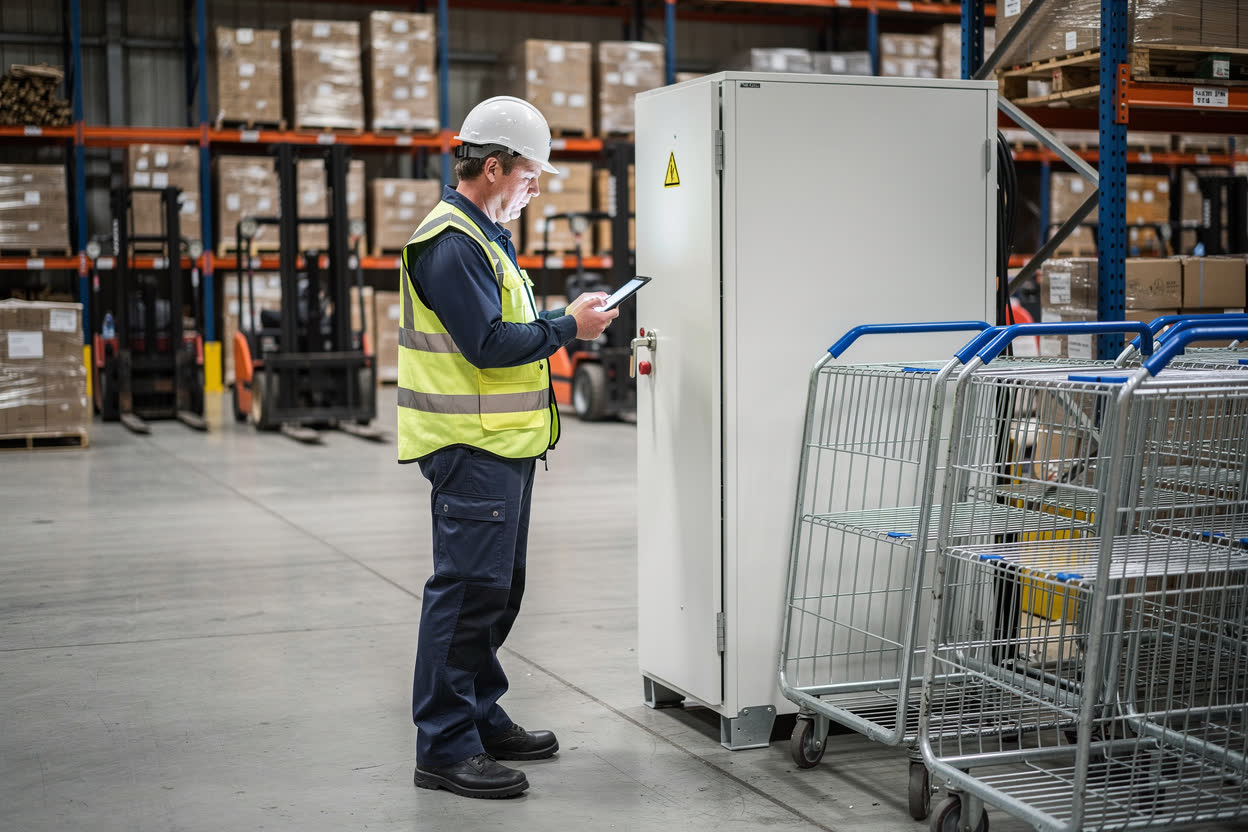
  • Be able to control slips, trips, electrical and fire risks.
  • Know how to carry out a risk assessment.
  • Recognise manual handling risks, and use mechanical aids safely.
  • Understand how to organise safe traffic routes and manage vehicles.
  • Know how to store goods safely and use pallets and racking correctly.
In This Module
In This Module

This module introduces the basics of warehouse health and safety. You will learn about:

  • Why warehouse safety training matters.
  • The most common warehouse injuries, and what causes them.
  • The main health and safety law, and the duties of employers and employees.
  • The effects that accidents have on a business.
  • Risk assessment, and the five steps used to carry one out.
  • Selecting, supporting and training your workforce.
Why Safety Training Matters

Warehouses contain large machinery, high storage, moving vehicles and many people, so the level of risk is high. Training is one of the best ways to reduce it. Everyone should know how to use equipment properly, how to spot and reduce risks, and what precautions to take.

An accident in the warehouse affects:

  • The injured worker, and their family.
  • Other workers, who may have to cover extra work.
  • The company’s reputation, finances and productivity.
  • Managers, especially if safety duties have been neglected.
Common Warehouse Injuries

The Health and Safety Authority, or HSA, reports that the most common causes of injury in Irish transport and storage workplaces are:

  • Slips and trips.
  • Manual handling.
  • Work at height.
  • Vehicles in and around the warehouse.
  • Moving or falling objects.

Ill health is also a major issue. It includes back and joint problems, noise and vibration damage, fumes from vehicles, hazardous chemicals, and stress and fatigue from work pressure or shift work. Later modules cover each of these in more detail.

Causes of Warehouse Accidents

Accidents and injuries in warehouses usually have a clear cause. Common causes include:

  • Poor or missing training.
  • Careless or unsafe behaviour.
  • Faulty or badly maintained equipment.
  • Weak or missing risk controls.
  • Unclear instructions.
  • Not wearing personal protective equipment, or PPE, or wearing PPE that is worn out or unsuitable.

Managers are responsible for keeping these causes to a minimum, through good planning, supervision and training.

Health and Safety Law

In Ireland, the main law is the Safety, Health and Welfare at Work Act 2005. Under the Act, employers must ensure, so far as is reasonably practicable, the safety, health and welfare at work of all their employees.

Employers must also run their work so that it does not put other people at risk, such as visitors, contractors and members of the public. People who control a workplace must keep it safe, and self-employed people must work in a way that is safe for themselves and others. Regulations made under the Act add more detailed duties.

Key Duties of Employers

By law, an employer must:

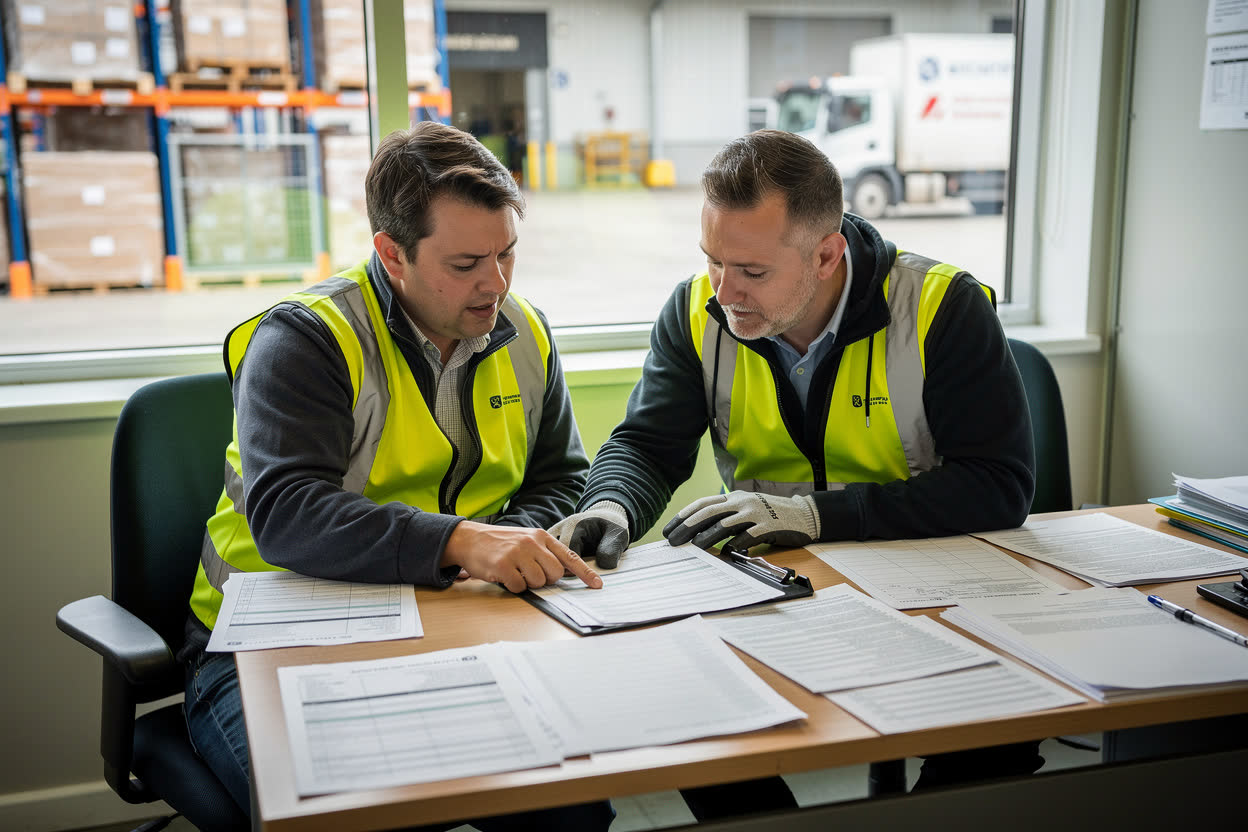
  • Assess the risks to workers, customers, contractors and anyone else affected by the work.
  • Plan, organise, control and monitor the preventive and protective measures.
  • Prepare a written safety statement, setting out how hazards are identified, risks assessed and controls put in place. Every employer needs one.
  • Have access to competent health and safety advice.
  • Consult workers about the risks in their work and the controls in place.

You are also responsible for anyone else who enters the premises, including the public, contractors, maintenance workers and the emergency services.

Managing Health and Safety

The Safety, Health and Welfare at Work (General Application) Regulations 2007 add more detail. Key duties include:

  • Carrying out risk assessments, and recording the significant findings in the safety statement. Employers with three or fewer employees may follow an approved code of practice instead.
  • Reviewing risk assessments regularly, and whenever circumstances change.
  • Providing health surveillance where the risk assessment, or specific regulations such as the asbestos regulations, require it.
  • Giving workers information on the risks, the controls and the procedures to follow.
  • Making sure workers are competent for their roles.
Specific Regulations

Some hazards are covered by more specific regulations. Their controls can be included in your overall risk assessment. Examples include:

  • The Safety, Health and Welfare at Work (Chemical Agents) Regulations 2001.
  • Part 4 of the General Application Regulations 2007, on work at height.
  • Part 2 of the General Application Regulations 2007, covering the workplace, work equipment, protective equipment, manual handling and display screen equipment.
  • The Fire Services Acts 1981 and 2003.
Effects on Your Business

Failing to manage health and safety can have a serious effect on a business:

  • The business, and its managers, may be prosecuted.
  • Its reputation can be badly damaged, and customers may be lost.
  • Damaged goods and premises are expensive to put right.
  • Injured workers may claim compensation if the employer was negligent, for example by not providing suitable training, protective equipment or a proper risk assessment.
  • Absence causes lost output, and replacement staff add further cost.
Case Study: A Reversing Lorry

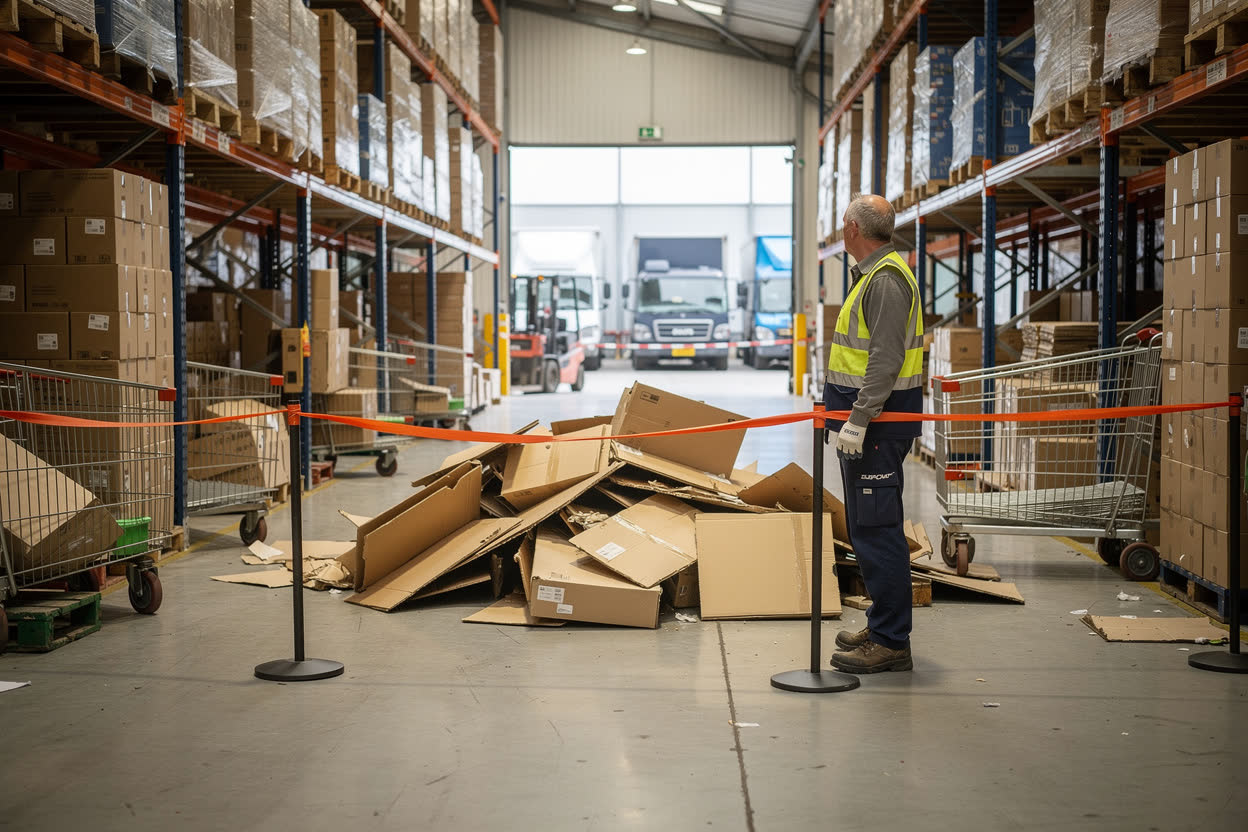
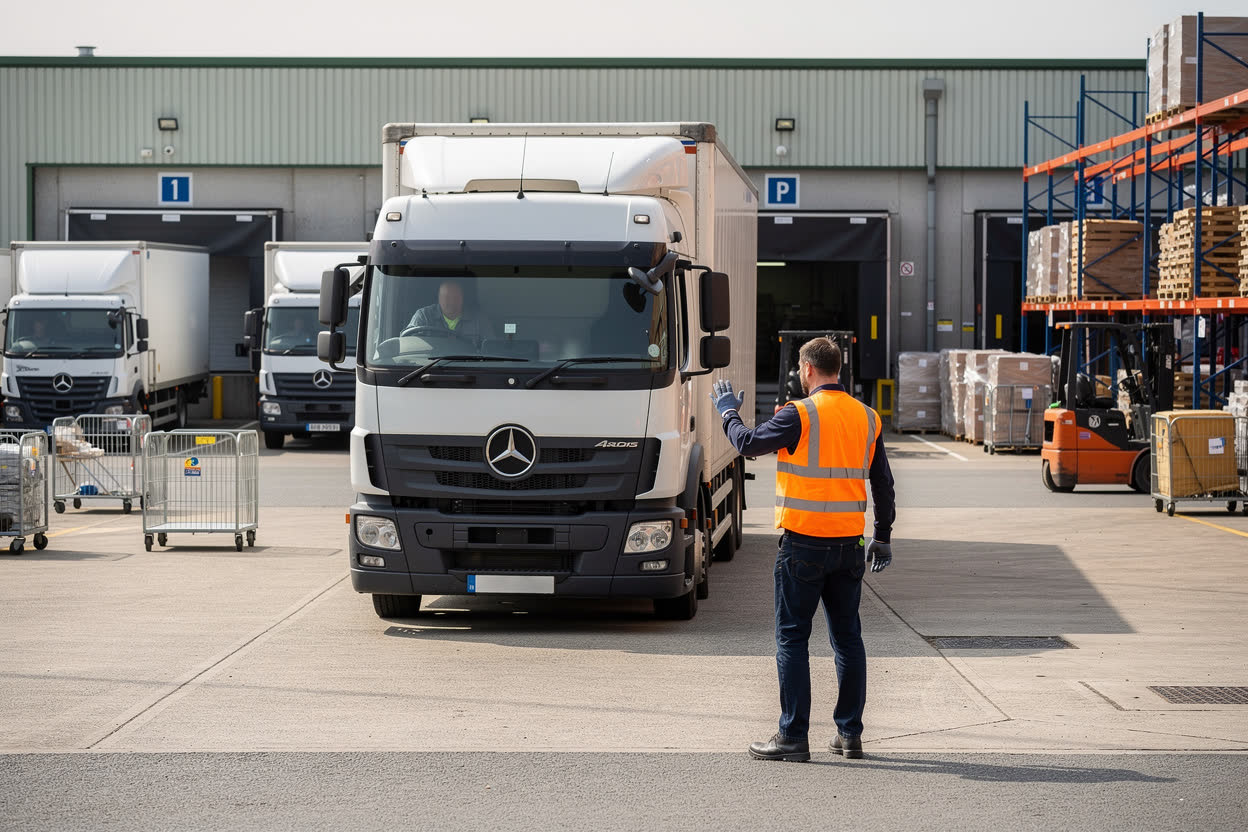
Vehicle movements are the hazard most likely to kill someone in a warehouse yard, and the pattern behind these deaths repeats itself. A forklift operator gets down from the cab to deal with waste at a skip. At the same moment, a lorry reverses across the area. The driver cannot see him, and he does not hear the lorry.

Three preventable failures usually sit behind an incident like this: no reversing alarm or camera, no banksman controlling the movement, and no risk assessment for work that puts people and vehicles in the same space. Where a death follows failures like these, the HSA investigates, and the employer can be prosecuted.

Employee Responsibilities

Health and safety is everybody’s responsibility. Employees have a duty to:

  • Take care of their own safety, and that of others.
  • Use PPE as instructed.
  • Follow their training and safe ways of working.
  • Use machinery and equipment correctly.
  • Report hazards, accidents and work-related illness.
  • Co-operate with their employer on health and safety.

Managers must explain these duties to workers, and have fair consequences in place, such as disciplinary action, when they are ignored.

Risk Assessment
Risk Assessment

Risk assessment is the process of identifying the hazards in your workplace, and then making sure they are suitably controlled. Every employer must carry one out. Its main aims are:

  • To identify the hazards in the workplace.
  • To decide how likely they are to cause harm, and how serious that harm could be.
  • To put control measures in place to prevent harm.

In 2024, the HSA recorded more than ten thousand non-fatal work incidents in Ireland, and transport and storage accounted for around 11 per cent of them. Good risk assessment is the key to reducing these numbers.

The Five Steps of Risk Assessment

In a large warehouse, you may need separate risk assessments for particular tasks and areas. Each one follows five steps:

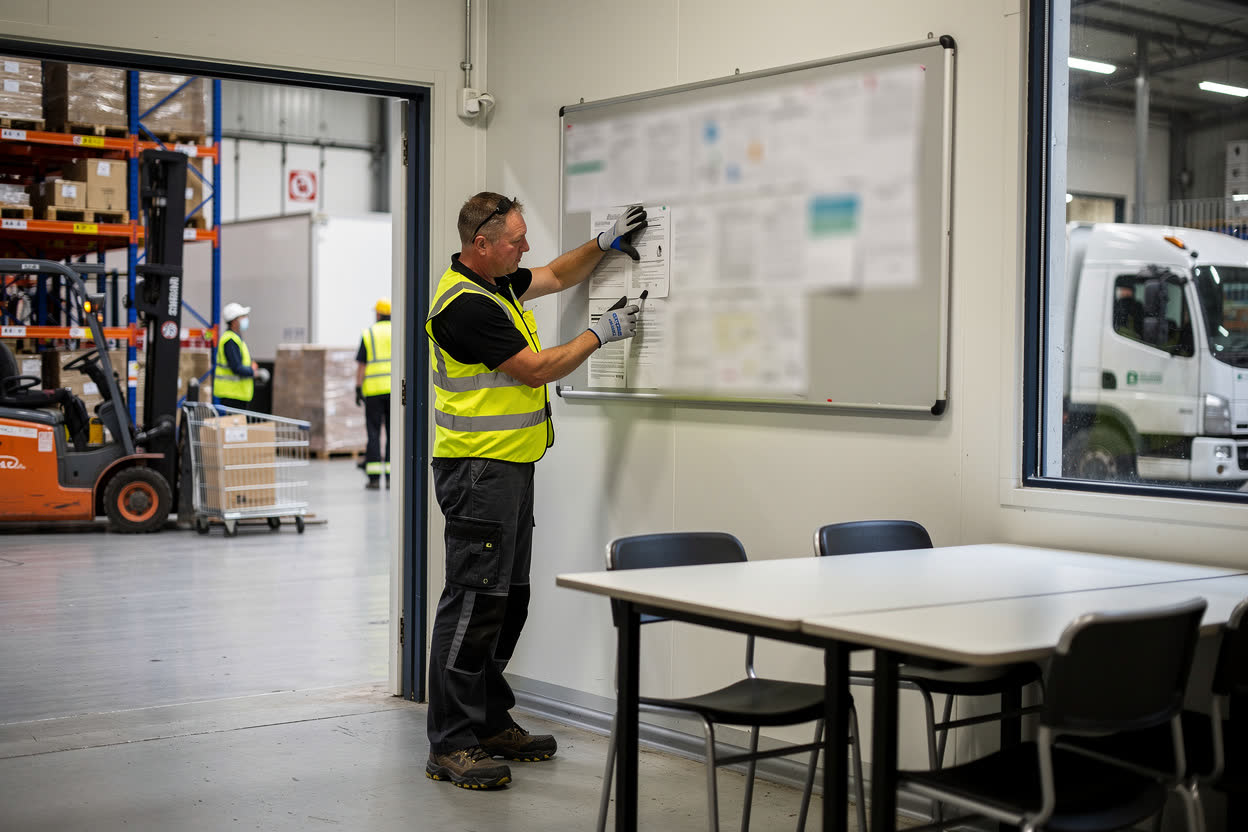
  • Step 1: identify the hazards, for example by observing the work and asking employees.
  • Step 2: decide who might be harmed, and how.
  • Step 3: evaluate the risks, and decide on precautions.
  • Step 4: record your findings, and put the controls in place.
  • Step 5: review your assessment, and update it if necessary.

The final step matters. Check regularly for changes, such as new equipment, new goods or new staff.

Selecting and Supporting Workers

Your workforce is the most valuable asset of the business, and good health and safety depends on managing people well.

When you recruit someone, identify whether the role has any special physical or other demands, and whether a candidate may need support to meet them.

Be ready to make reasonable adjustments. For example, a worker with a medical condition may need short, frequent breaks, or a change to the start of the working day. Flexible arrangements like these help people work safely and well.

Training and Competence

All warehouse staff must be trained in the hazards of their own tasks, the general hazards of the warehouse, and how to keep themselves and others safe. For example, forklift operators must be fully trained in using the truck safely, the hazards to look out for and the precautions to take.

Skills fade if they are not used, so training must be repeated at regular intervals. Emergency procedures, such as what to do in a fire, are a good example.

Training must be given by a competent person: someone with enough training, experience and knowledge of the subject.

Summary

In this module, you have learned that:

The Safety, Health and Welfare at Work Act 2005 places duties on employers, employees and others, and every employer needs a safety statement.

Risk assessment means identifying hazards and making sure they are suitably controlled, in five steps that end with review.

Everyone has a part to play, and all staff must be trained by a competent person, with regular refreshers.

In the next module, we will look at health hazards in the warehouse, and how to control them.

Knowledge Check
What is the second step of a risk assessment?
Select one answer, then press Check.
Identify the hazards
Decide who might be harmed, and how
Evaluate the risks and decide on precautions
Review your assessment and update it
Correct. After identifying the hazards, you decide who might be harmed, and how.
Not quite. Identifying the hazards comes first, and reviewing comes last. Think about what you need to know straight after finding a hazard, and try again.
Get the full course →Answer the question to unlock the next module.
Page 1 of 20