← Exit
Module 1 · Introduction to Food Hygiene and Safety0% complete · 16 slides left
Level 2 Food Hygiene and Safety for Retail
Module 1
This course contains audio. Use headphones in public places.
Introduction
Introduction

Every year, many people become ill from food that was not handled safely, and most of those cases could have been prevented. Anyone who sells or handles food has both a legal and a moral duty to make sure it is safe to eat.

This course is for everyone who handles food in retail: supermarkets, grocery shops, delicatessens, butchers, bakers, fishmongers, farm shops, market stalls and wholesalers. It covers the issues that matter most to retailers, such as date codes, chilled display and ready-to-eat food.

Course Aims
Course Aims

By the end of this course, you will be able to:

  • Describe your own duties, and your employer’s, under food hygiene law.
  • Recognise microbiological, physical, chemical and allergenic hazards, and control contamination.
  • Store food safely, explain use by and best before dates, maintain the cold chain and rotate stock.
  • Prepare, display and serve hot and cold food at safe temperatures.
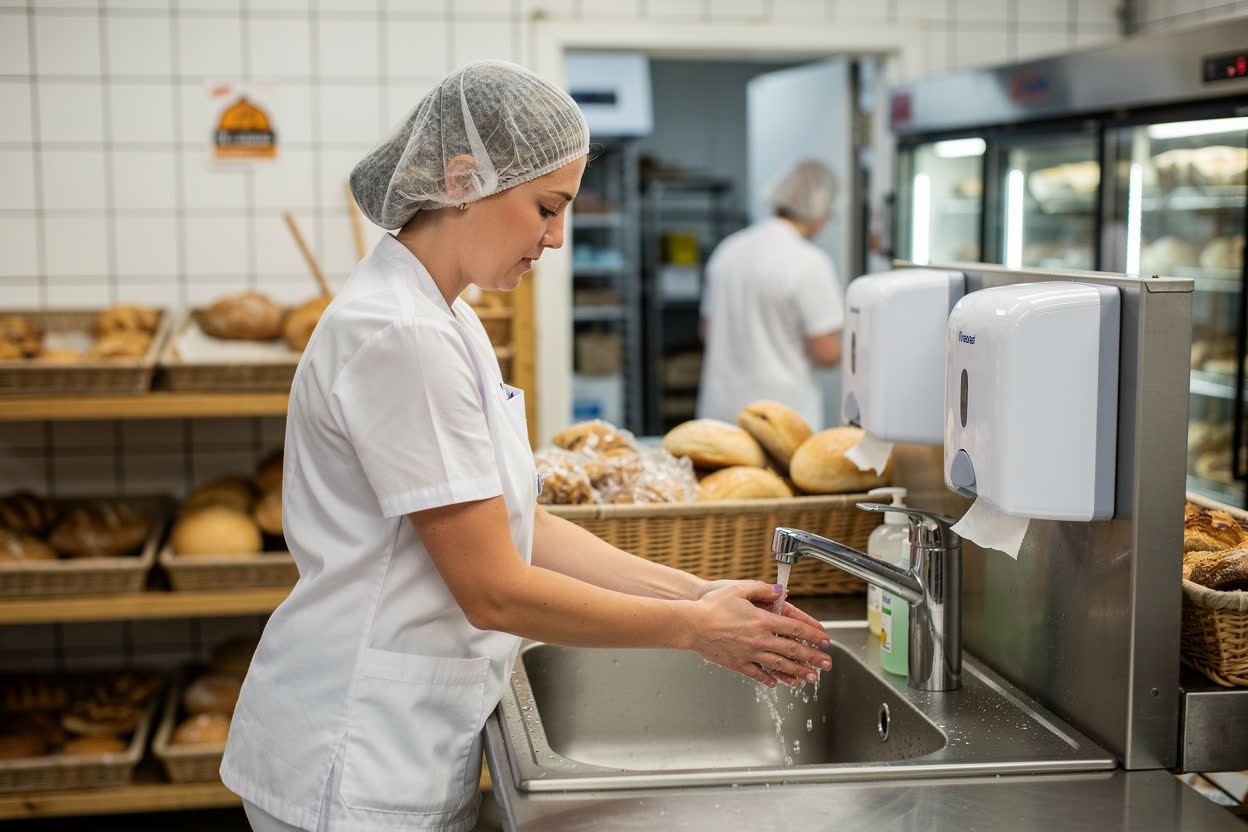
  • Practise good personal hygiene and correct hand washing.
  • Explain the part you play in cleaning and pest control.
In This Module
In This Module

This module lays the foundations for the rest of the course. You will learn about:

  • The key terms used in food safety.
  • The four main types of food safety hazard.
  • Your role as a food handler, and the training the law requires.
  • How food businesses are inspected.
Food Safety and Contamination

Food safety means handling, storing, preparing, displaying and selling food in a way that keeps out anything that could harm the people who eat it. It covers every stage of the food’s journey through your business, from delivery to the moment it reaches the customer.

Contamination is the presence of a hazard in food. A hazard is anything that could make food unsafe or unfit to eat.

Cross Contamination
Cross Contamination

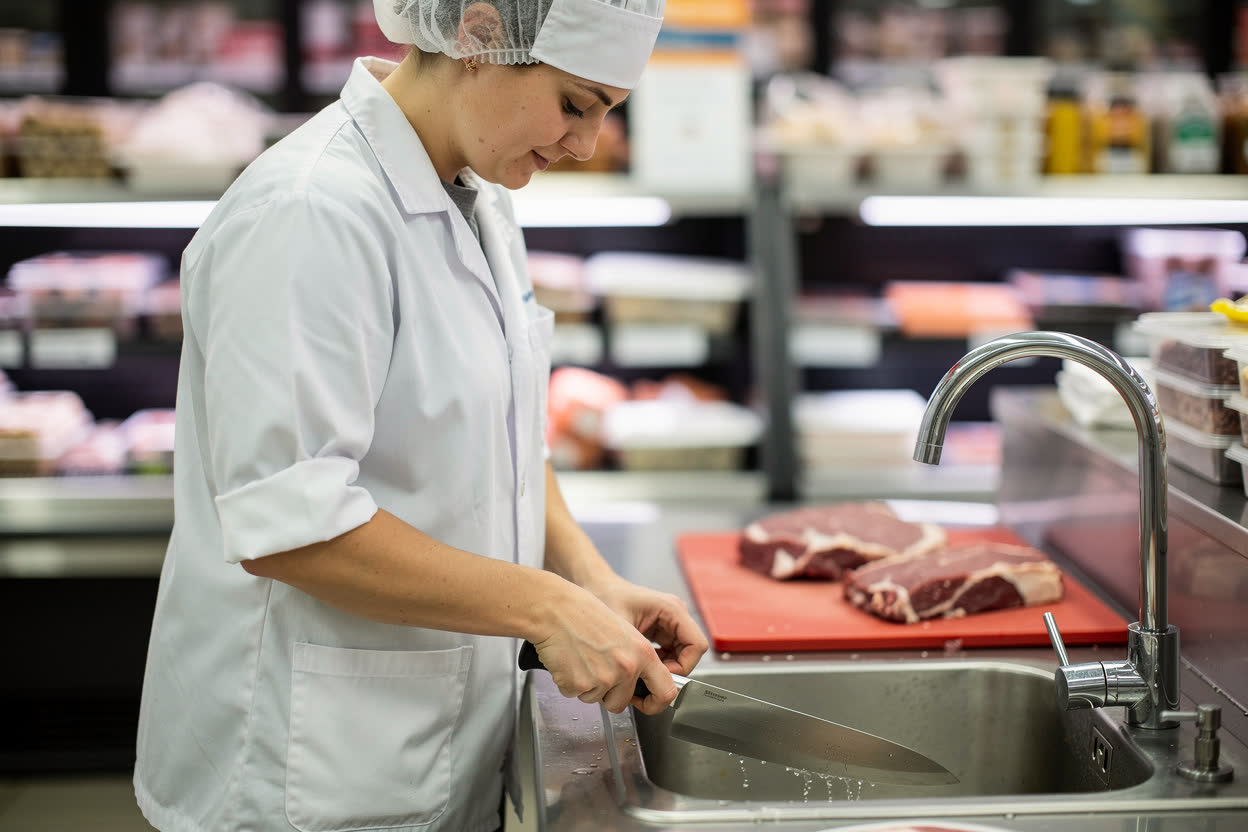
Cross contamination is the transfer of bacteria, or allergens, from one source to another. It often happens from raw food, hands, cloths, packaging, equipment or surfaces to ready-to-eat food.

For example, using the same unwashed knife to cut raw meat and then sliced cheese will carry bacteria straight onto food that will not be cooked again. Cross contamination is one of the most common causes of food poisoning.

Food Poisoning
Food Poisoning

Food poisoning, or foodborne illness, is illness caused by eating food contaminated with harmful bacteria, toxins, viruses, moulds or parasites.

Symptoms such as stomach pain, diarrhoea, nausea and vomiting may appear within hours, or days, or sometimes weeks after eating the food. Most people recover, but for young children, older people, pregnant women and people who are already ill, food poisoning can be very serious, and even fatal.

HACCP and Food Safety Management

HACCP stands for Hazard Analysis and Critical Control Points. It is a system that helps a food business work out what could go wrong with its food, and put controls in place at the points that matter most, such as chilled storage and date control.

A food safety management system is the documented set of procedures and records a business uses to keep food safe. It must be based on HACCP principles. Running it is a legal requirement, and it is essential for passing an inspection.

The Four Types of Hazard

Every food safety hazard you will meet in this course falls into one of four groups:

  • Microbiological hazards: bacteria, viruses, moulds and parasites, the most common cause of food poisoning.
  • Physical hazards: foreign objects, such as glass, metal, hair, jewellery or packaging.
  • Chemical hazards: harmful substances, such as cleaning chemicals, pest control products or natural toxins.
  • Allergenic hazards: foods such as peanuts, eggs, milk or sesame, which can be dangerous to people with allergies.
Why Training Matters

Poor food handling and poor training can lead to serious problems for customers and for the business, including:

  • Outbreaks of food poisoning.
  • Pest infestations.
  • Wasted food and higher costs.
  • Bad publicity, and lost customers.
  • Legal action, including fines and imprisonment, and claims from people who became ill.
  • Closure of the business, and loss of jobs.
Your Responsibilities

By law, everyone who handles food must help to keep it safe. As a food handler, you must:

  • Keep yourself clean, and wash your hands thoroughly and often.
  • Keep display, storage and work areas clean.
  • Wear clean, washable protective clothing.
  • Prevent contamination of food.
  • Store, prepare and display food at safe temperatures, and rotate stock.
  • Report illness, such as diarrhoea or vomiting, and any cuts, sores or skin infections, to your supervisor.
Training: What the Law Requires

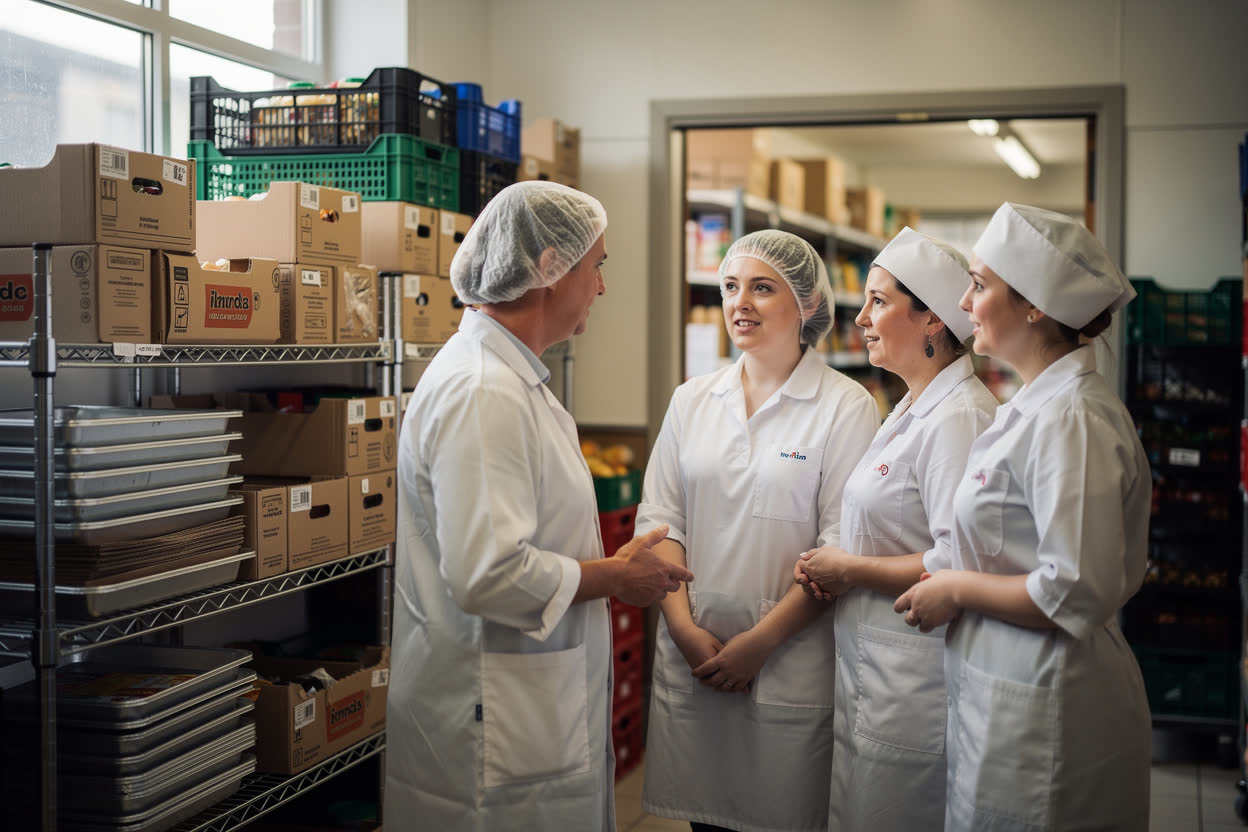
Your employer must make sure you are supervised, and instructed or trained in food hygiene, in a way that is appropriate for your role and the food you handle. For training to be effective, it must match each person’s job.

  • You must take part in the training provided, and put it into practice.
  • Your knowledge should be kept up to date with on-the-job guidance and refresher training.
  • Anyone who helps to run the food safety management system needs further training in HACCP.
  • Your employer should keep a record of the training each person has completed.
Food Hygiene Inspections

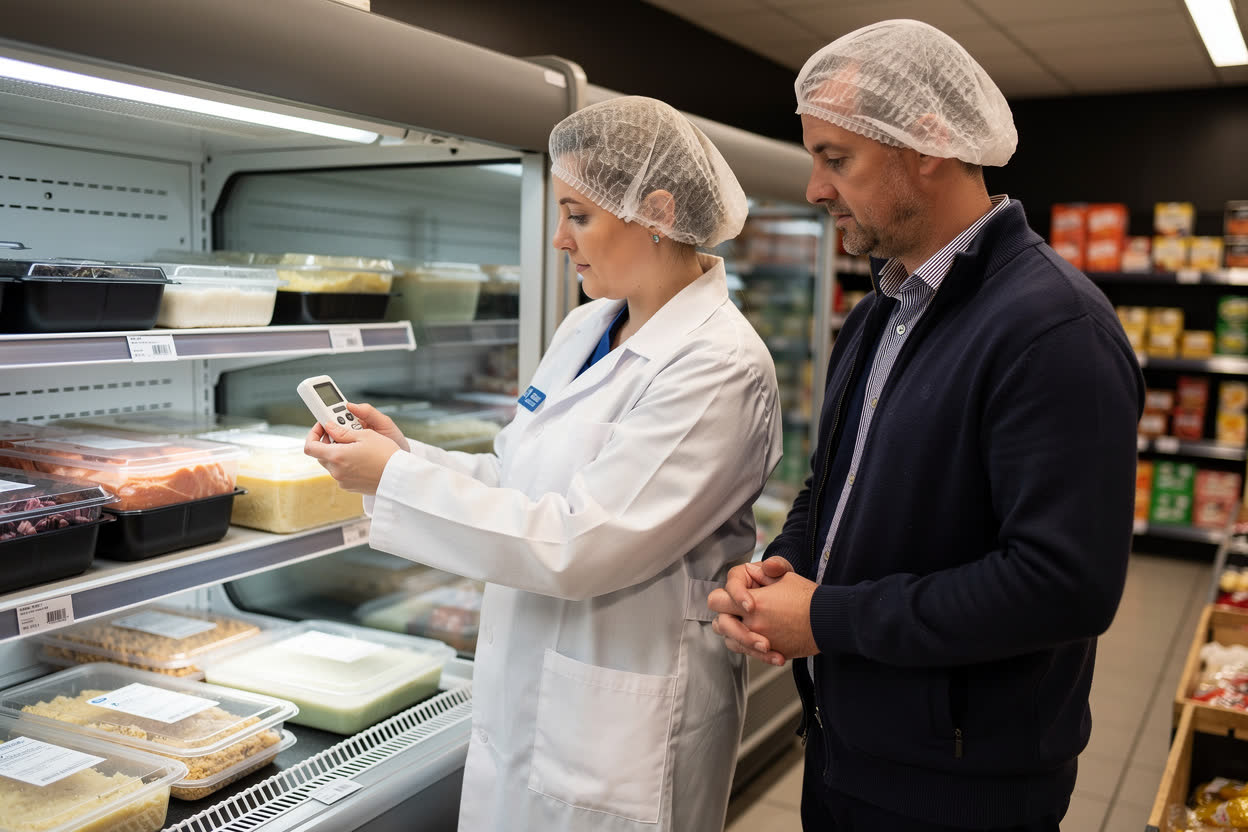
In Ireland, most food shops are inspected by Environmental Health Officers, or EHOs, of the Health Service Executive. They work under service contracts with the Food Safety Authority of Ireland, or FSAI.

Inspections can take place in any business where food is sold, served or made, such as supermarkets, butchers, bakeries, cafés, takeaways, hotels, schools and care settings. Higher-risk businesses are inspected more often. Low-risk businesses, such as a newsagent selling only packaged snacks, are usually inspected less often.

What Inspectors Look For

During a food hygiene inspection, the Environmental Health Officer looks at three key areas:

  • Hygienic food handling: how food is prepared, cooked, cooled, reheated, stored and displayed.
  • The condition of the premises and facilities: cleanliness, layout, lighting, ventilation, pest control and other facilities.
  • Confidence in management: how food safety is managed, including procedures, training and records, and whether high standards are likely to be kept up.
After the Inspection

After the inspection, the officer explains what is working well, and what must improve. Where there are serious problems, the officer can take enforcement action, which you will learn about in the next module.

The FSAI publishes the names of businesses that receive enforcement orders, so poor hygiene can quickly damage a business’s reputation. Every business can avoid this by managing food safety well, every day.

Summary

In this module, you have learned that:

Key terms such as contamination, cross contamination, food poisoning and HACCP are the foundation of safe food handling.

Food handlers and employers both have legal duties, and training must be appropriate to each person’s role.

EHOs inspect food handling, the premises, and confidence in management, and the FSAI publishes enforcement orders.

In the next module, we will look at food safety law, and how it is enforced.

Knowledge Check
Which three areas does an Environmental Health Officer assess during a food hygiene inspection?
Select one answer, then press Check.
Customer service, food presentation and prices
Menu variety, the location of the premises and confidence in suppliers
Hygienic food handling, the condition of the premises, and confidence in management
Hygienic food handling, customer comments and staff recruitment
Correct. Inspectors assess hygienic food handling, the condition of the premises and facilities, and confidence in management.
Not quite. Think about how food is handled, the building itself, and how food safety is managed. Try again.
Get the full course →Answer the question to unlock the next module.
Page 1 of 17