← Exit
Module 1 · Introduction to Office Health and Safety0% complete · 12 slides left
Office Safety
Office Safety
Module 1
This course contains audio. Use headphones in public places.
Introduction
Introduction

Good health and safety in an office matters to everyone: employees, visitors, and contractors such as cleaners. The risks may be lower than on a building site or in a factory, but they are real. Every year, office workers are injured, or become ill, because of hazards at work, or because of stress.

By law, every business must manage health and safety risks. This course will help you to spot common office hazards, prevent accidents, use equipment safely, and understand how work can affect your mental health.


Course Aims
Course Aims

By the end of this course, you will:

  • Understand why health and safety law matters in the office.
  • Know your responsibilities, and recognise common office hazards.
  • Know how to prevent slips, trips and falls.
  • Use electrical equipment safely, and help to prevent fires.
  • Handle objects and chemicals safely.
  • Set up your desk and computer to avoid discomfort.
  • Know how to reduce work-related stress.
  • Understand first aid arrangements, and why accidents must be recorded.
Why It Matters
Why It Matters

Each year, Health and Safety Authority figures show that thousands of workers in Ireland are injured at work, and many more suffer illness caused or made worse by their work.

  • The most common work-related illnesses are musculoskeletal disorders, such as back and upper limb pain, and stress, depression or anxiety.
  • Manual handling, awkward postures and repetitive tasks are the main causes of musculoskeletal disorders.
  • Manual handling, and slips, trips and falls, are among the most common causes of injury.

Most of these injuries and illnesses can be avoided by working safely.

The Benefits of Health and Safety

Health and safety is not a waste of time. When everyone takes it seriously and plays their part, the benefits include:

  • Fewer accidents and injuries.
  • Less sickness absence, and lower staff turnover.
  • Healthier employees, and better morale.
  • A positive safety culture, from senior managers to part-time staff.
  • A safer place to work.
  • A better reputation with customers, clients and investors.
  • A lower risk of legal action.
Health and Safety Law

In Ireland, the law protects you from harm at work. Your employer must comply with:

  • The Safety, Health and Welfare at Work Act 2005, which requires employers to do all that is reasonably practicable to protect your safety, health and welfare. It also requires a risk assessment and a written safety statement.
  • The Safety, Health and Welfare at Work (General Application) Regulations 2007. Part 2, Chapter 1 covers the workplace itself: good condition, heating, lighting, space, drinking water and rest facilities.
Your Employer’s Responsibilities

Your employer has the main responsibility for keeping the workplace safe. Your employer must:

  • Prepare a written safety statement, based on the risk assessment, and bring it to your attention.
  • Carry out risk assessments, and review them regularly.
  • Check that controls are working.
  • Give you clear information, instruction and training.
  • Design the workplace and tasks to reduce risk.
  • Provide personal protective equipment, or PPE, and protective clothing, free of charge, where needed.
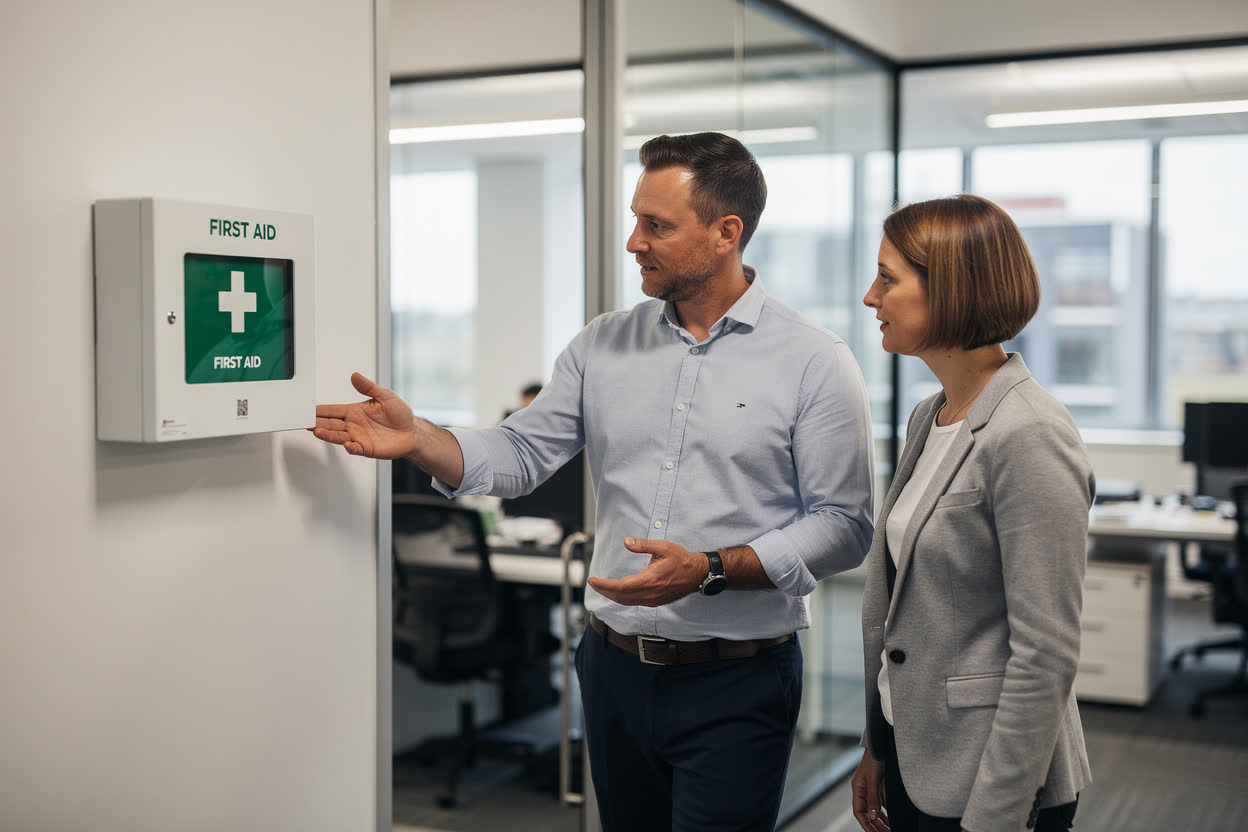
  • Provide first aid arrangements, and keep a record of accidents.
Your Responsibilities

Under section 13 of the 2005 Act, you also have legal duties. You must:

  • Take reasonable care of your own safety, and the safety of others who may be affected by what you do.
  • Follow the safety instructions and training you are given.
  • Report any danger to your health and safety to your manager or employer, straight away.
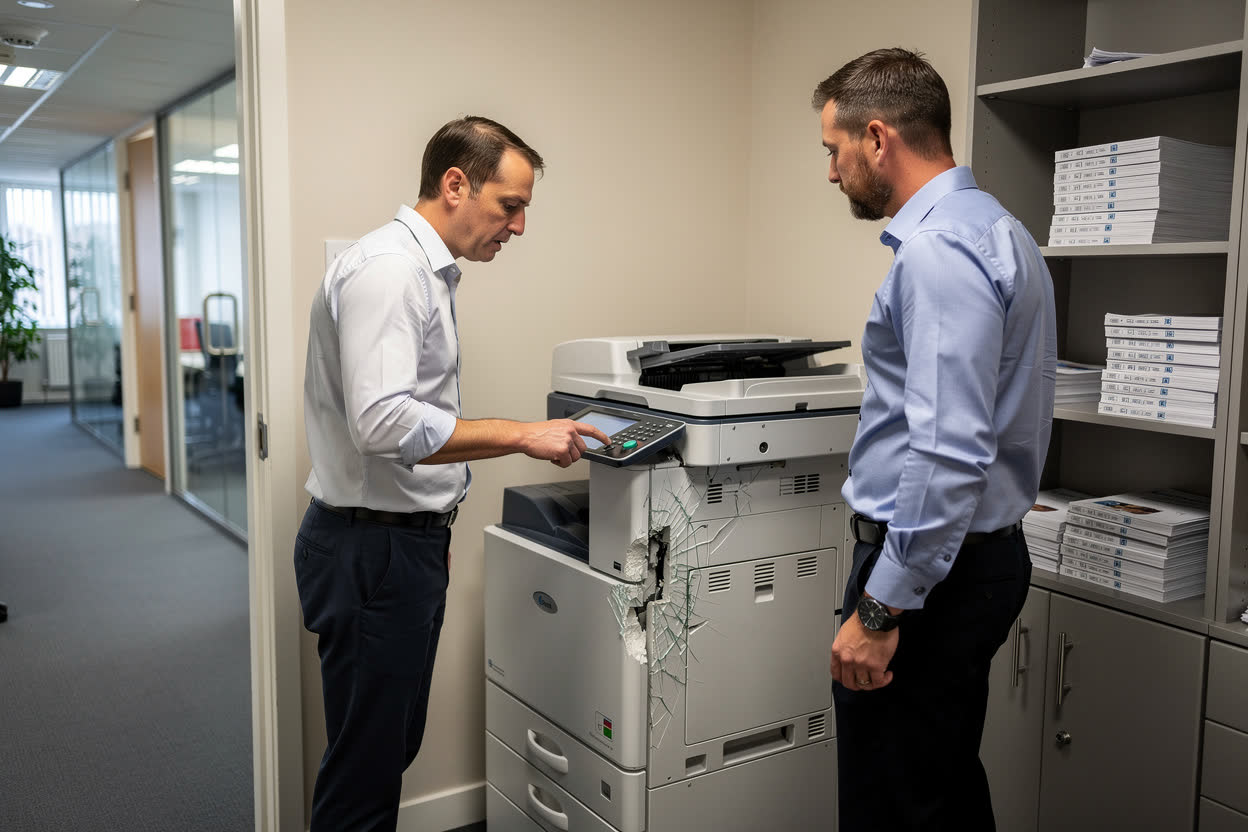
  • Report safety equipment that is not working. Never try to fix it yourself.
  • Use any PPE that you are given, such as gloves or goggles, and look after it.
Common Office Hazards

Offices are generally low-risk places to work, but there are still hazards that you need to recognise and know how to avoid. Common office hazards include:

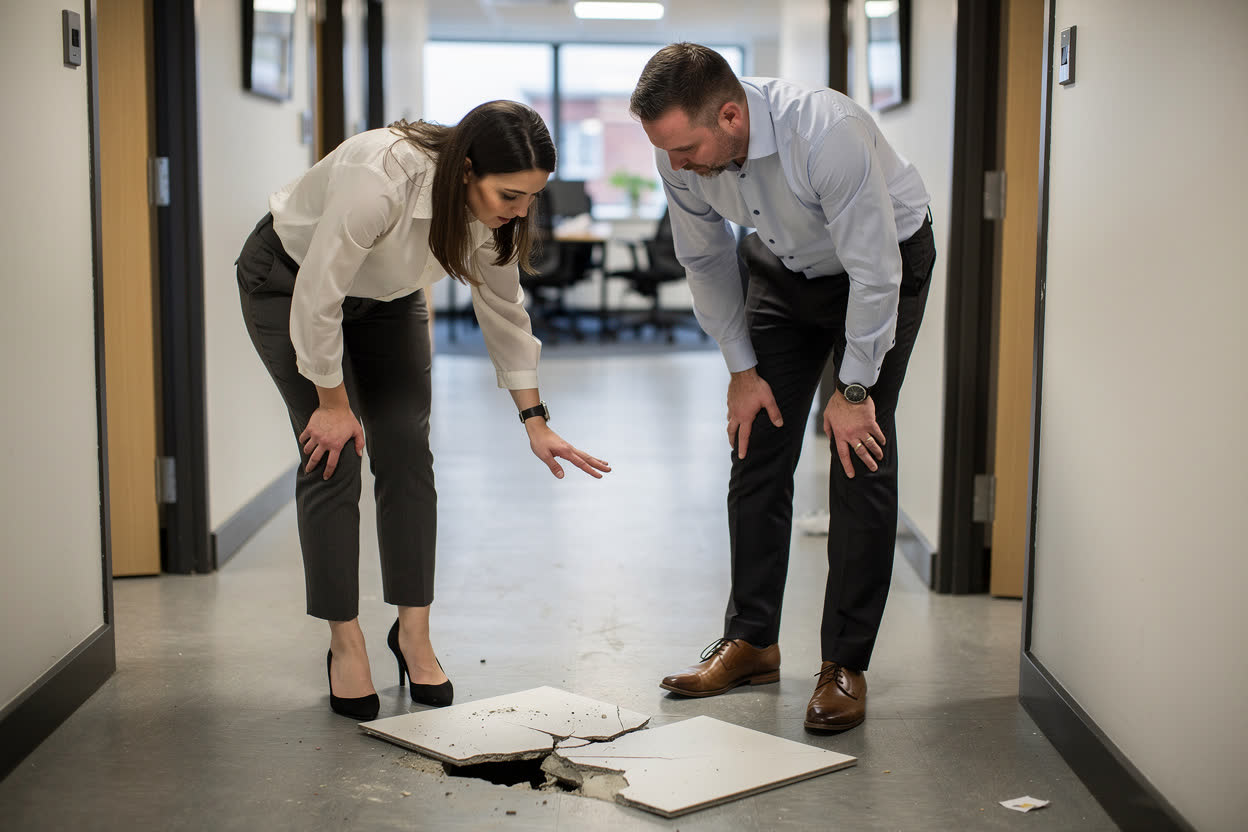
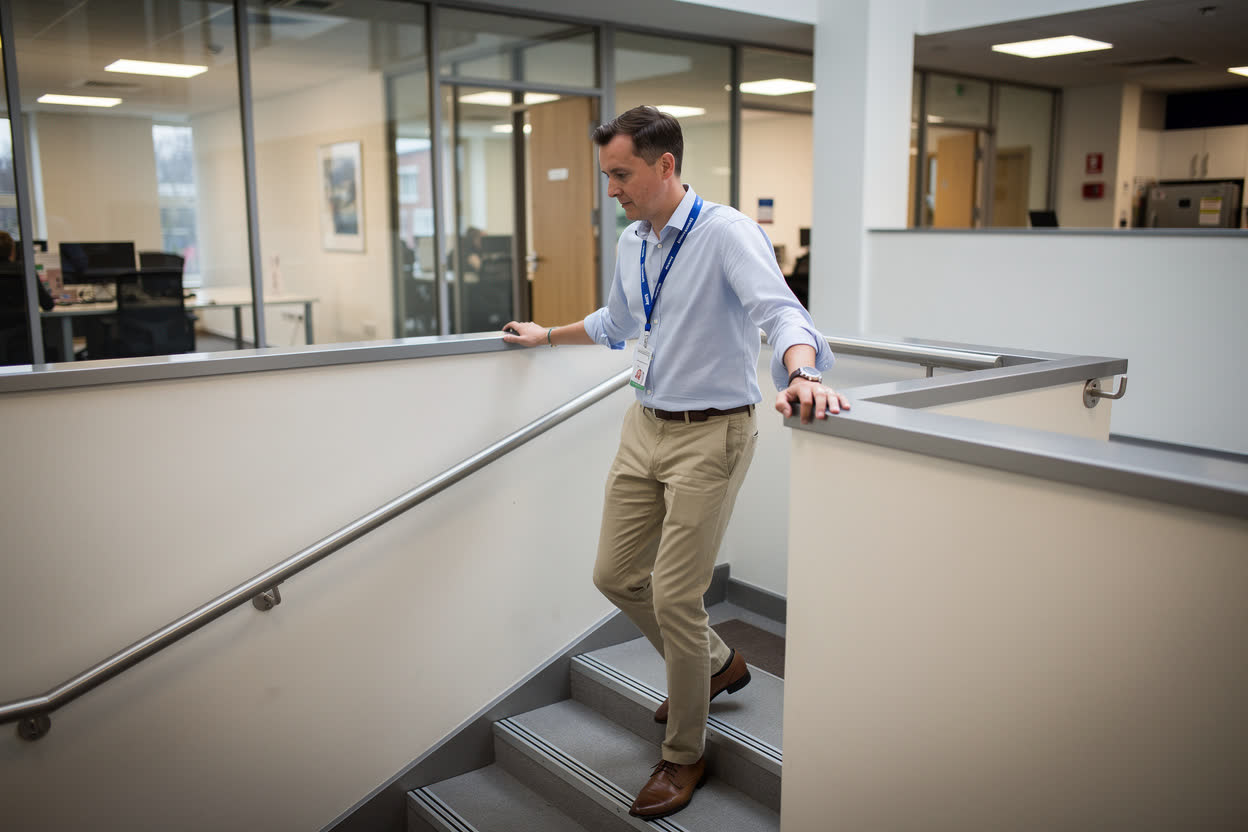
  • Slips, trips and falls.
  • Electrical equipment.
  • Fire.
  • Manual handling.
  • Display screen equipment, such as computers and laptops.
  • Work-related stress.

Each of these is covered in this course.

Three Types of Hazard

Office hazards can be grouped into three main types:

  • Occupational hazards relate to the work activities. For example, using a ladder brings a risk of falling, and using electrical equipment brings a risk of electric shock.
  • Environmental hazards relate to the working environment. For example, a wet floor at the entrance can cause slips, and a badly lit staircase can cause trips.
  • Human hazards relate to the behaviour of workers. For example, ignoring safety rules, or setting up a computer workstation badly, increases the risk of injury.
Spotting Hazards
Spotting Hazards

You can help to identify hazards by:

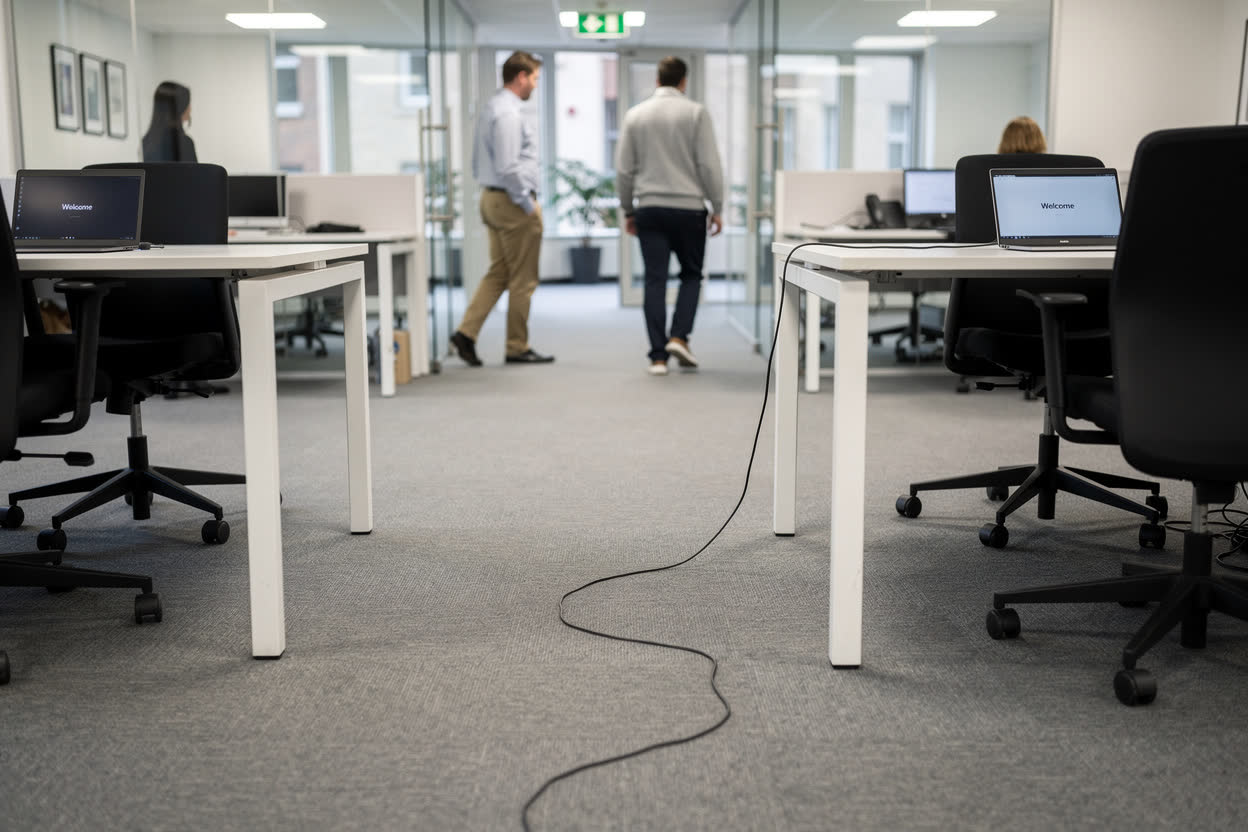
  • Looking around you. Many hazards are easy to spot, such as trailing cables, damaged equipment or spilled drinks.
  • Talking to colleagues. They may have noticed a danger you missed, or know whether a piece of equipment is faulty.
  • Reading the manufacturer’s instructions and safety data sheets, especially for chemicals.
  • Checking the accident book. Past accidents and near misses show where problems keep happening.
Summary

In this module, you have learned that:

The Safety, Health and Welfare at Work Act 2005 protects you at work, and good health and safety brings real benefits.

Your employer has the main responsibility for safety, and you must take reasonable care, follow training and report dangers.

Office hazards can be occupational, environmental or human, and human hazards relate to the behaviour of workers.

In the next module, we will look at slips, trips and falls, electrical safety and fire safety.

Knowledge Check
As an employee, which of these is one of your responsibilities?
Select one answer, then press Check.
Carrying out the workplace risk assessment
Investigating workplace accidents
Following the safety training you are given
Providing first aid equipment
Correct. You must follow the safety training and instructions you are given, and take reasonable care of yourself and others.
Not quite. Risk assessment, investigations and first aid equipment are your employer’s responsibility. Try again.
Get the full course →Answer the question to unlock the next module.
Page 1 of 13