← Exit
Module 1 · Introduction to Food Hygiene and Safety0% complete · 16 slides left
Level 2 Food Hygiene and Safety for Manufacturing
Module 1
This course contains audio. Use headphones in public places.
Introduction
Introduction

Everyone involved in producing food must understand the principles of food hygiene, and know how to keep food safe from microbiological, physical, chemical and allergenic contamination.

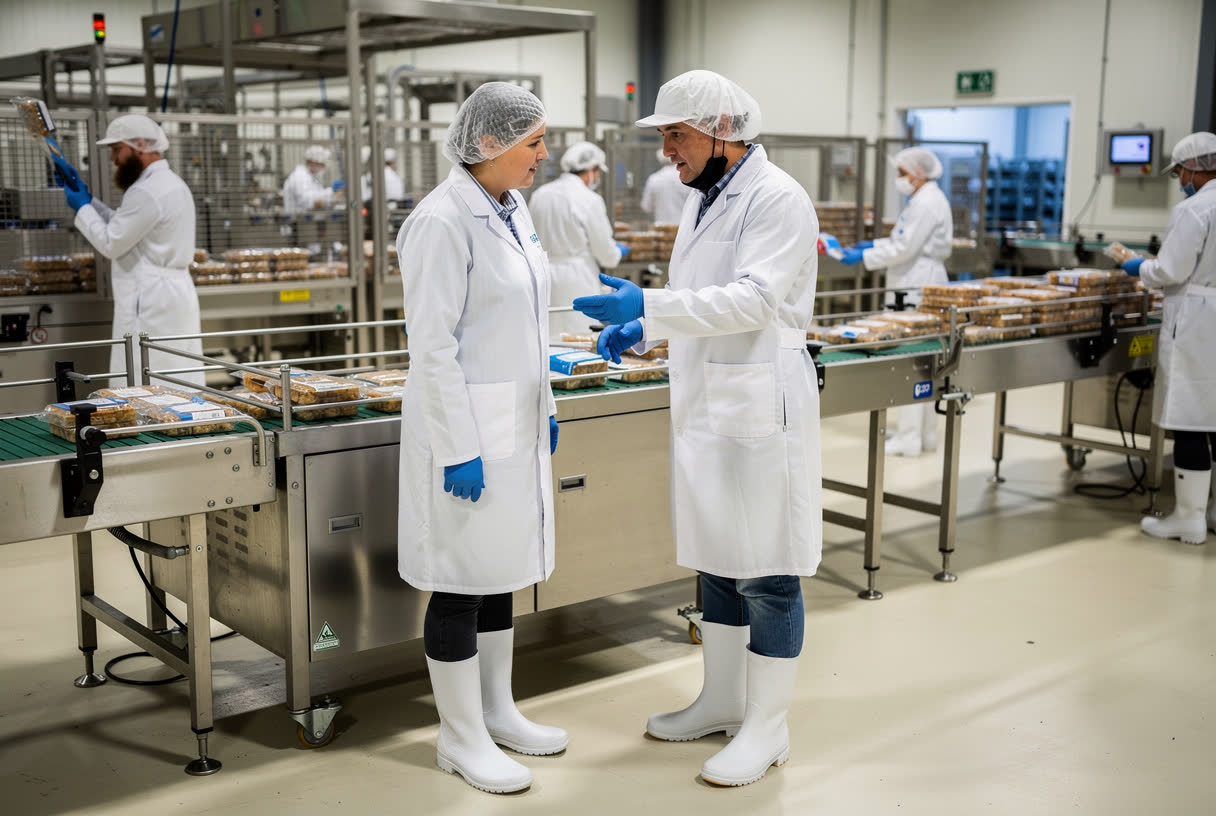
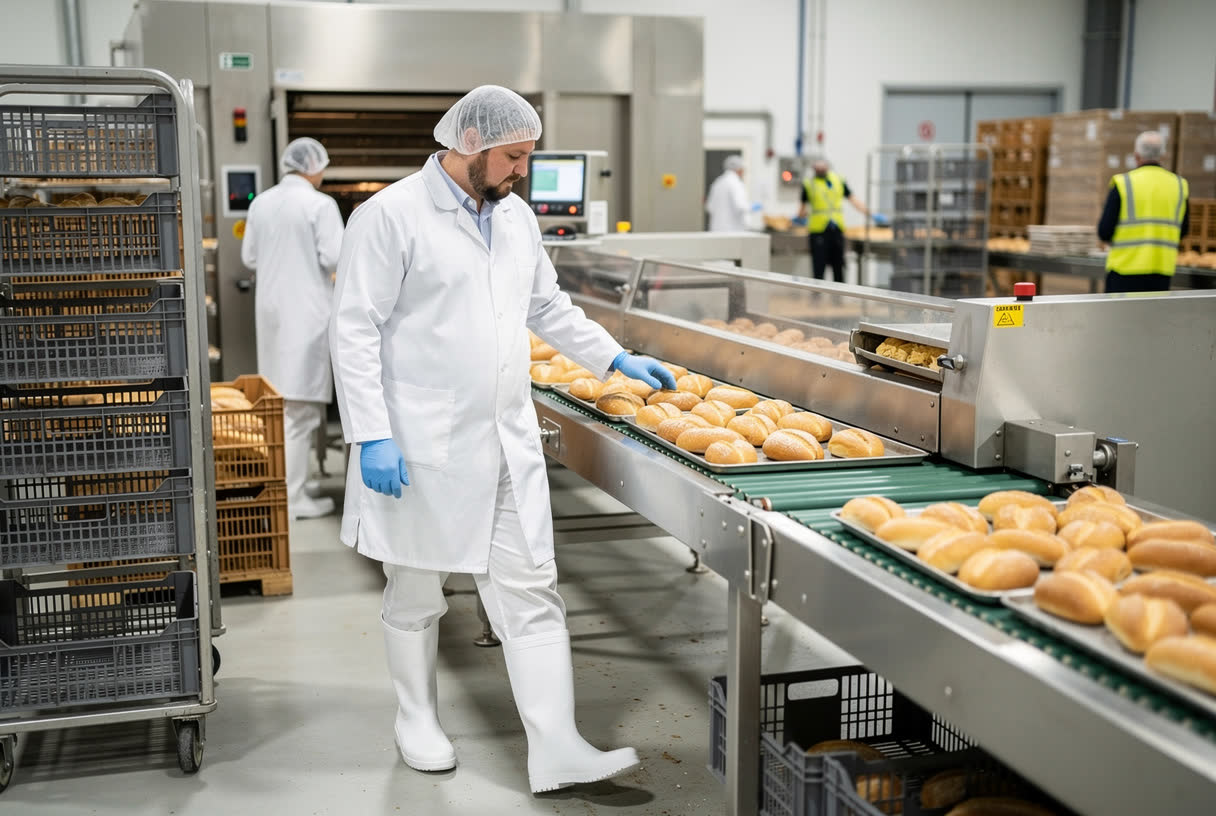
This Level 2 course is for anyone who prepares, cooks, packs or processes food in a food or drink manufacturing environment. It covers food safety hazards, temperature control, storage, processing, personal hygiene, premises and cleaning.
Course Aims
Course Aims

By the end of this course, you will be able to:

  • Explain your responsibilities, and your employer’s, under Irish and EU food hygiene law, and the principles of food safety management.
  • Identify microbiological, physical, chemical and allergenic hazards, and control contamination.
  • Store food safely, explain use-by and best-before dates, and rotate stock correctly.
  • Maintain high standards of personal hygiene and hand washing.
  • Process food safely, including thawing, cooking, cooling, cook-chill and cook-freeze, and take accurate temperatures.
In This Module
In This Module

This module lays the foundations that the rest of the course builds on. You will learn about:

  • The key terms used in food safety.
  • The four main types of hazard.
  • Good Manufacturing Practice, and Hazard Analysis and Critical Control Points, or HACCP.
  • Your role as a food handler, and the training the law requires.
  • How safe food is managed in production.
What Is Food Safety?

Food safety means handling, processing, packing and storing food so that it contains nothing that could harm the people who eat it.

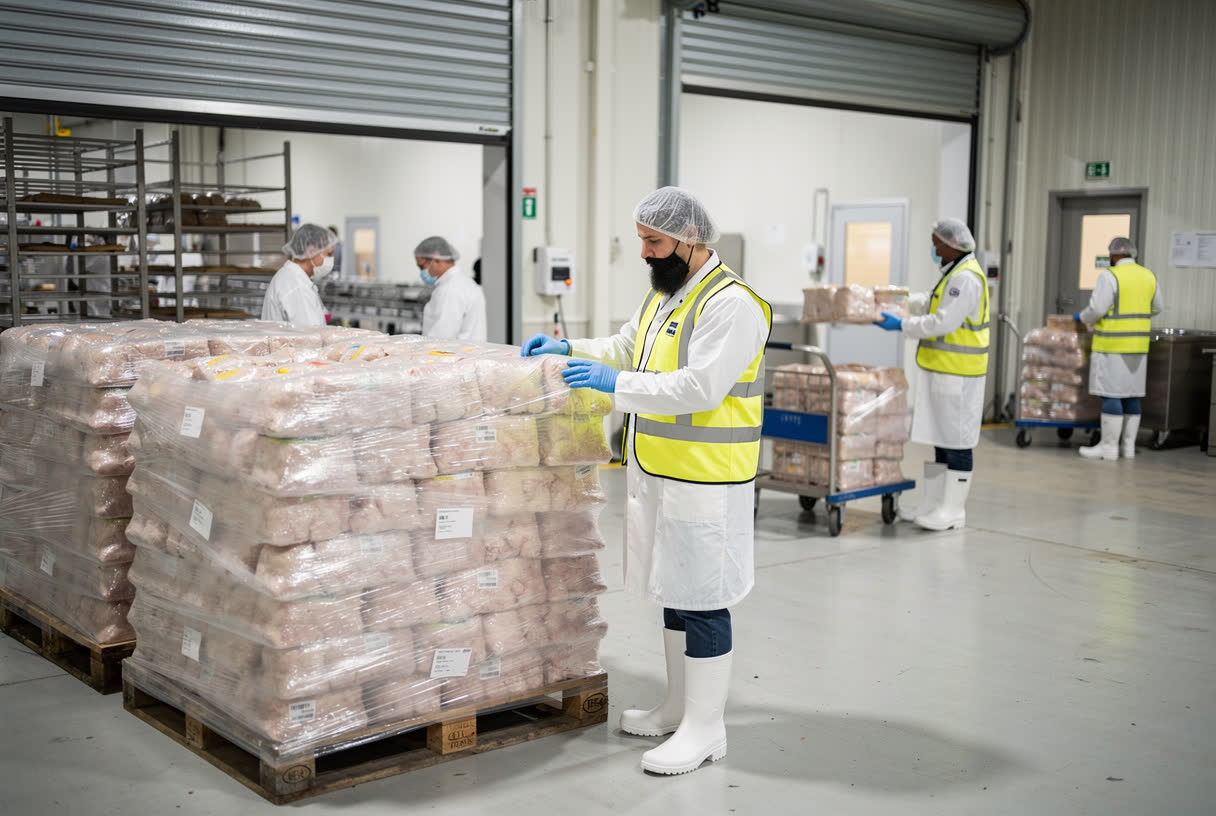
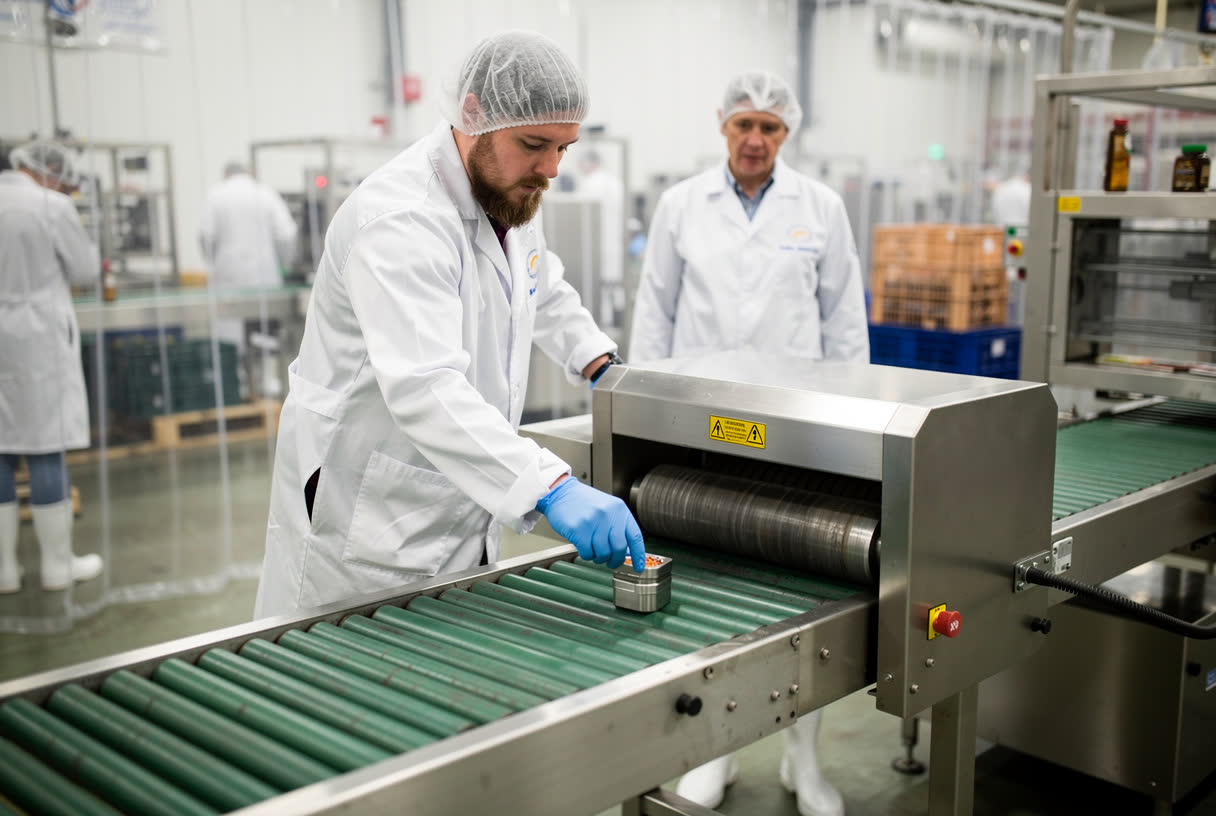
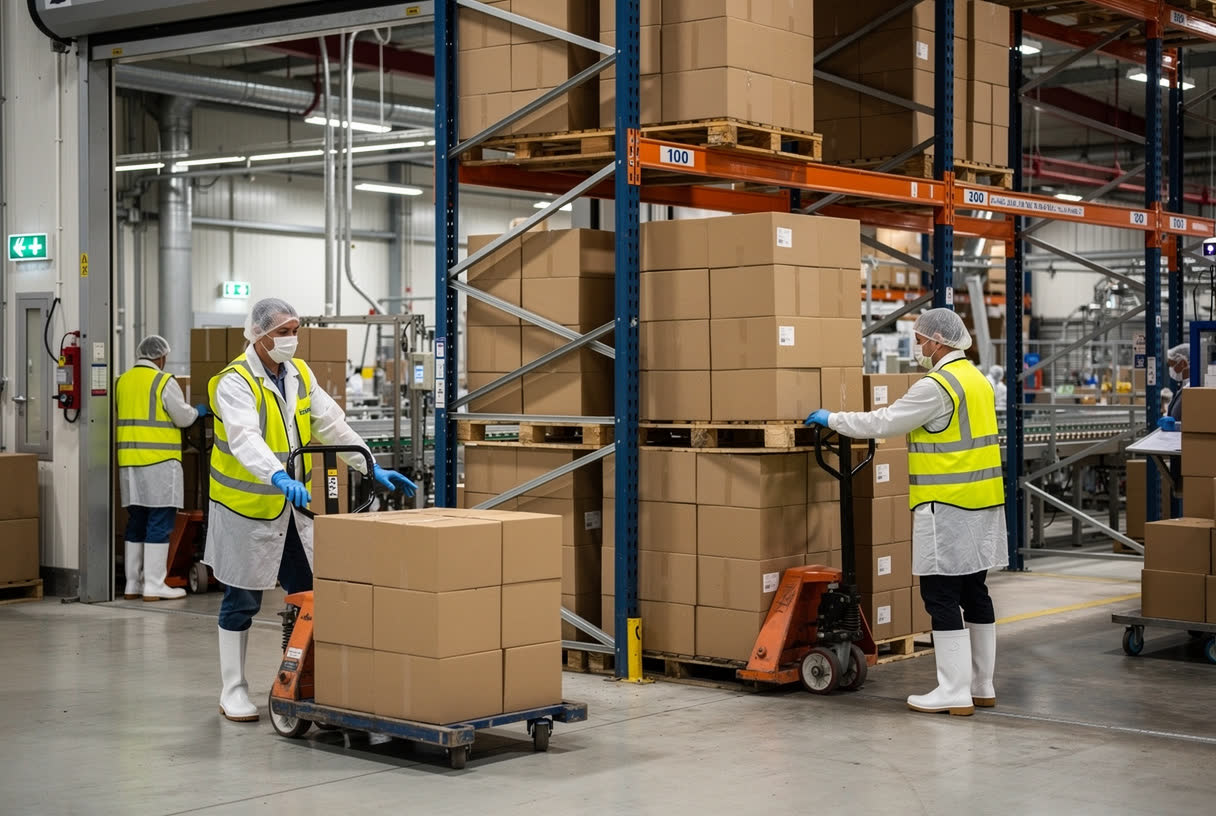
It covers every stage of the journey food takes through a manufacturing site: from the intake of raw materials, through processing and packing, to storage and dispatch.

A mistake at any one of these stages can make food unsafe, so everyone on site has a part to play.

Hazards and Contamination

A hazard is anything that could make food unsafe or unfit to eat. Contamination is the presence, or introduction, of a hazard in food.

There are four types of contamination hazard: microbiological, physical, chemical and allergenic. You will learn about each of them in this course.

In manufacturing, food is produced in large batches, so a single contamination incident can affect thousands of products and many consumers.

Cross-Contamination
Cross-Contamination

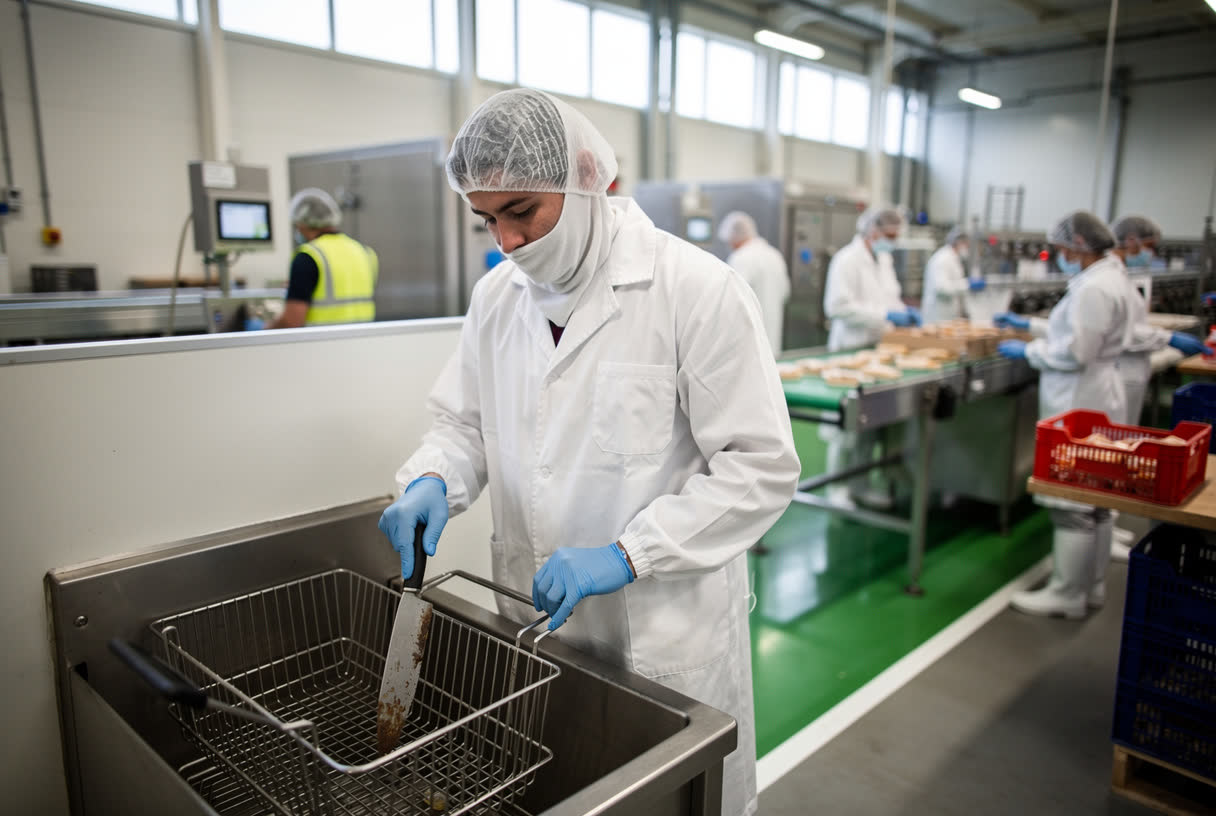
Cross-contamination is the transfer of bacteria or allergens from one place to another. It often happens from raw materials, hands, equipment, packaging or surfaces to ready-to-eat product.

A typical example is using the same knife or board for raw meat, then for ready-to-eat food, without washing and disinfecting it in between.

Because one fault can affect a whole batch, preventing cross-contamination is critical in manufacturing.

Good Manufacturing Practice

Good Manufacturing Practice, or GMP, is the set of procedures and standards that make sure products are consistently made and controlled to the required quality and safety.

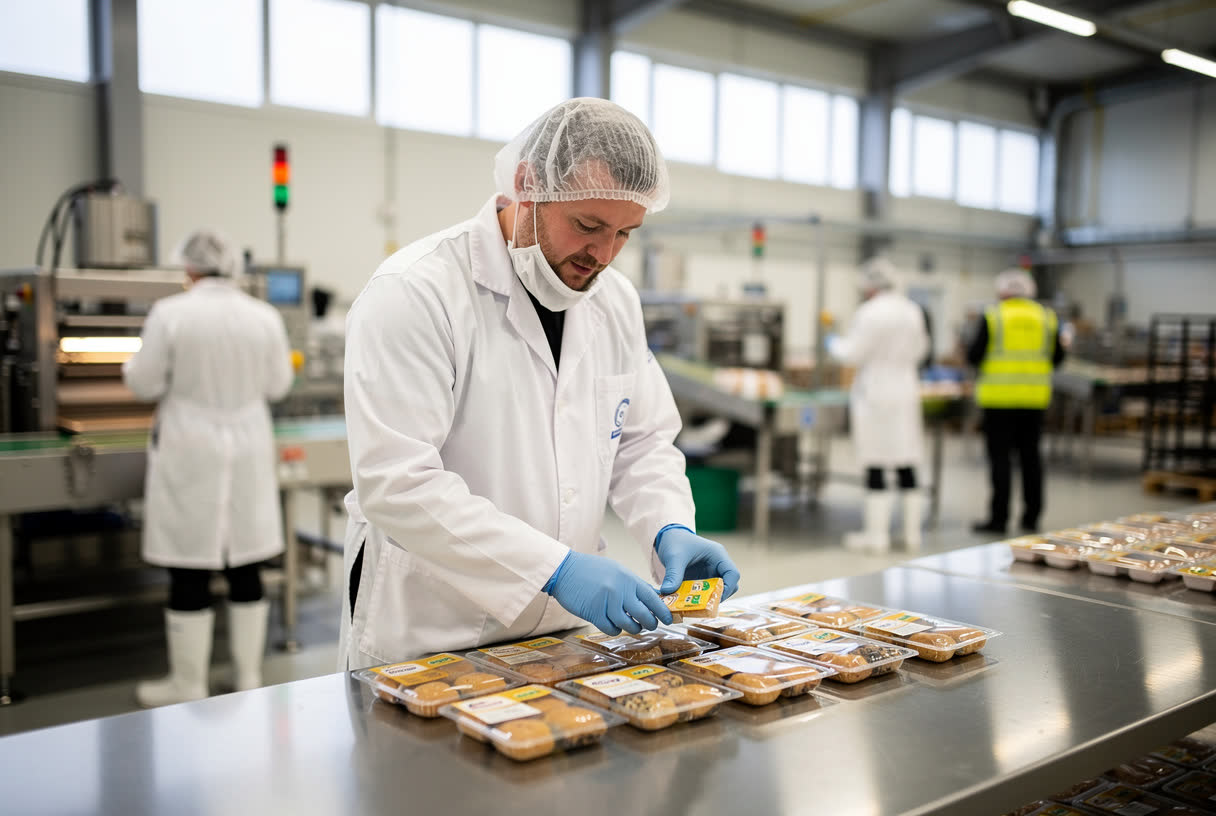
GMP covers the premises, equipment, processes, hygiene, staff training and documentation. Together, these make safe and consistent production possible.

Following GMP is part of your job every day, from the way you dress to the way you record your checks.

HACCP
HACCP

HACCP stands for Hazard Analysis and Critical Control Points. It identifies what could go wrong in production, and puts controls in place at the points where they matter most, such as cooking, chilling and metal detection.

These points are called critical control points, or CCPs. Each one has limits that must be met, checks to make sure they are met, and actions to take if they are not.

HACCP principles are the foundation of every food safety management system, and following them is a legal requirement.

The Four Main Hazards
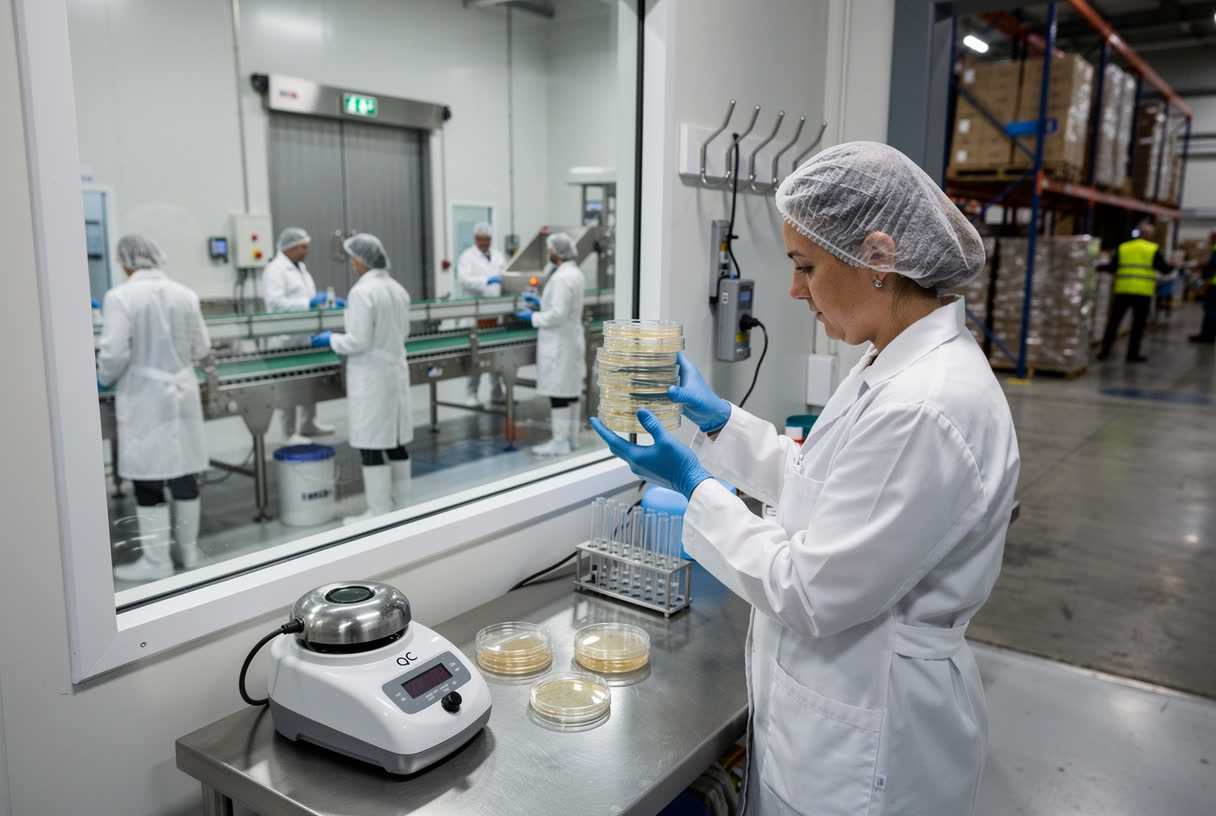
  • Microbiological: bacteria, viruses, moulds and parasites. These are the most common cause of food poisoning.
  • Physical: foreign objects, such as glass, metal, plastic, hair or packaging.
  • Chemical: harmful substances, such as cleaning chemicals, lubricants or natural toxins.
  • Allergenic: allergens, such as peanuts, eggs, milk or sesame, which are dangerous to allergic consumers.

Every hazard you meet in this course falls into one of these four groups.

Food Handlers and the Law

Regulation (EC) No 852/2004 on the hygiene of foodstuffs requires every food business to make sure that its food handlers are supervised, and instructed or trained in food hygiene to a level that suits their work.

As a food handler, you are personally responsible for the food you handle. Not knowing the law is no defence.

Why It Matters
Why It Matters

Poor practice and inadequate training can have serious consequences in manufacturing, including:

  • Contaminated batches, and large-scale product recalls.
  • Consumers becoming ill, and outbreaks of food poisoning.
  • A damaged reputation, and lost customers and contracts.
  • Closure of the site, and loss of jobs.
  • Fines, prosecution and even imprisonment.
Your Responsibilities

To keep food safe, and meet your legal duties, you must:

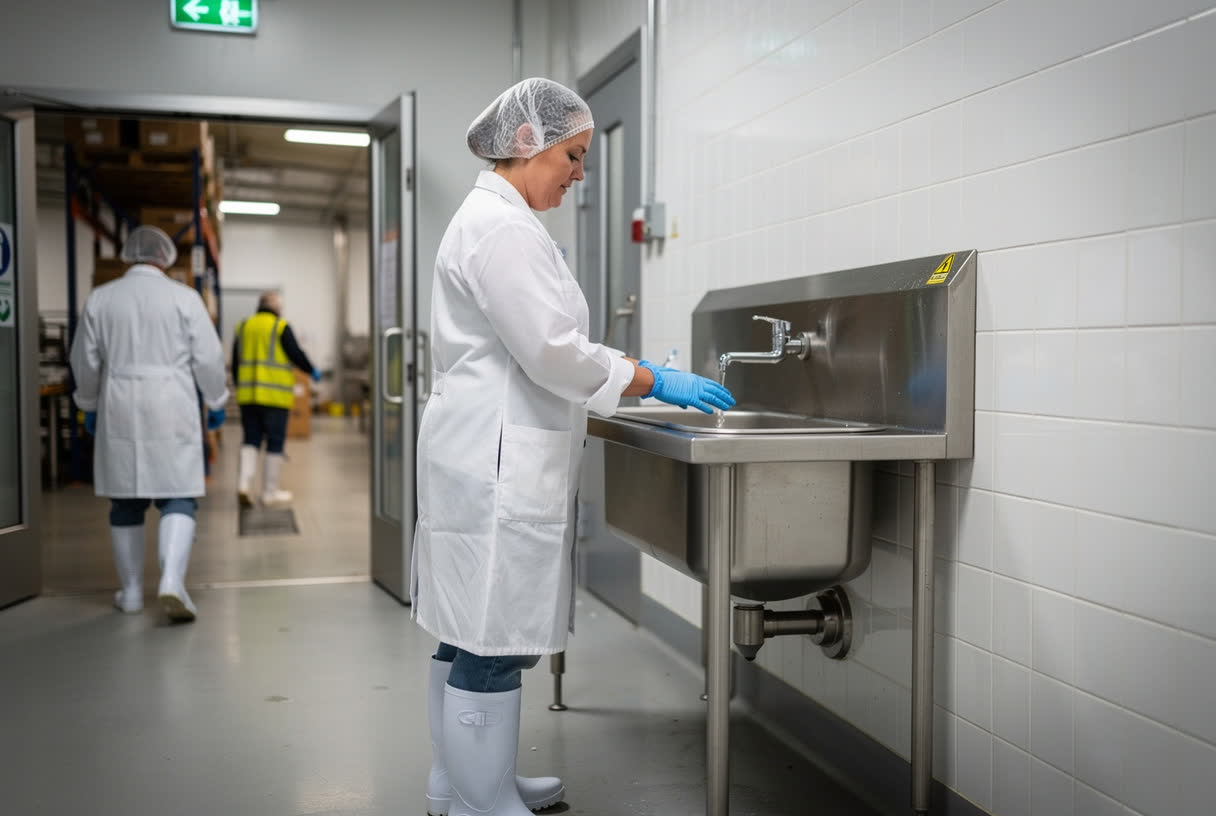
  • Keep high standards of personal hygiene, and wash your hands properly.
  • Follow Good Manufacturing Practice, and keep your work area clean.
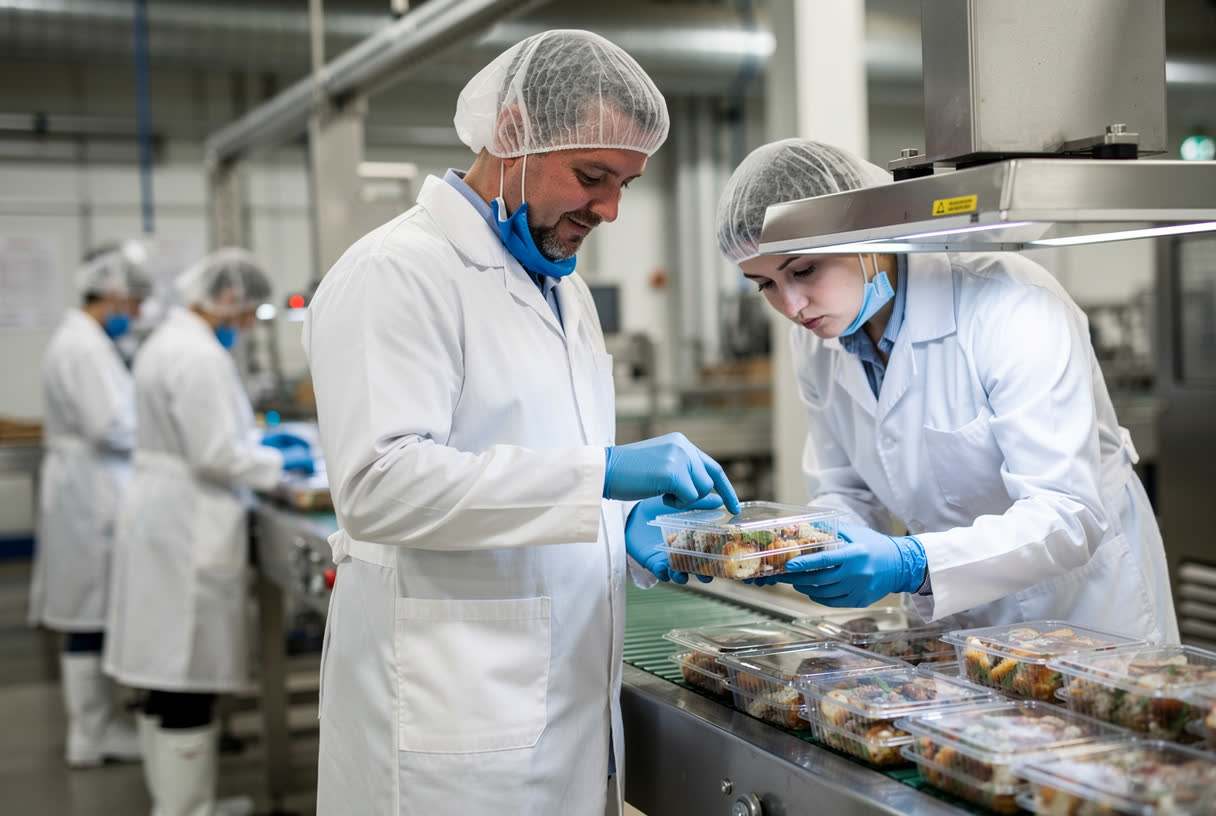
  • Wear the correct protective clothing for your area of the site.
  • Process and store food at safe temperatures.
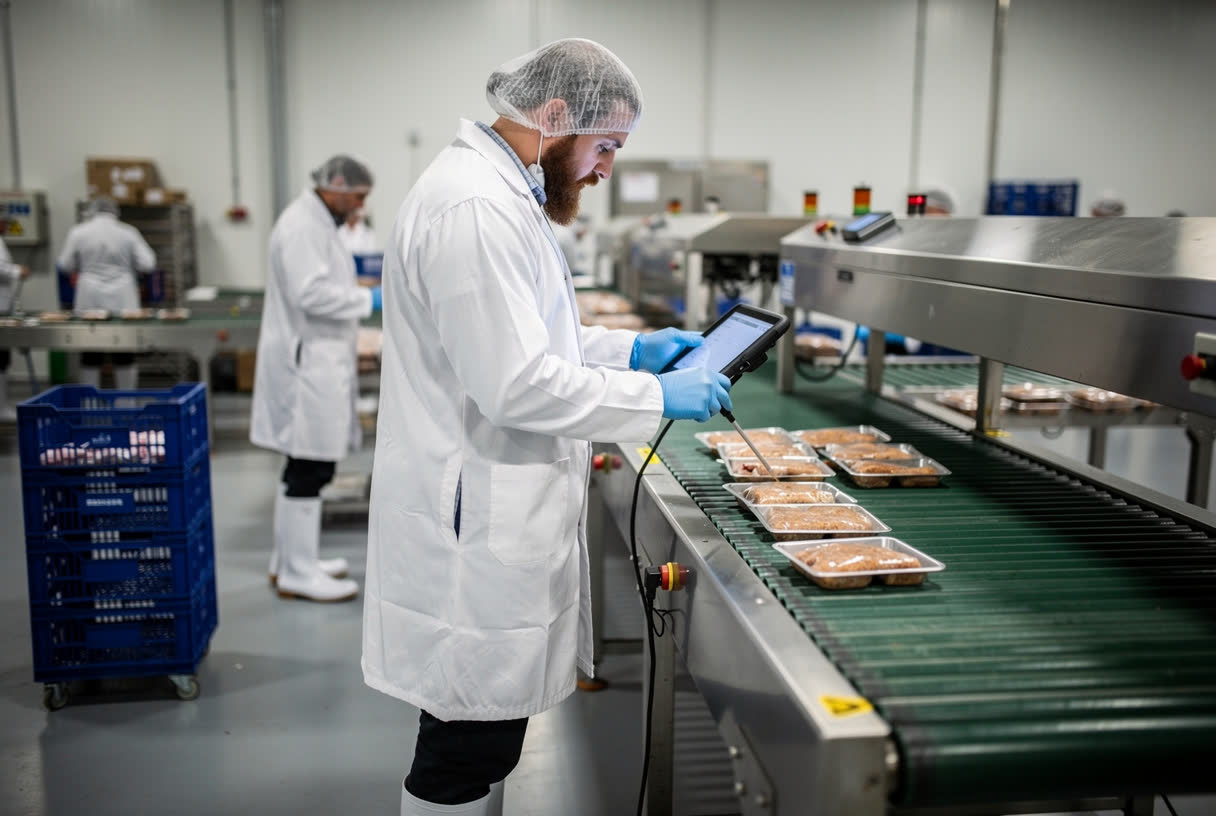
  • Carry out and record the checks you are responsible for.
  • Report any illness, injury or contamination to your supervisor.
Food Handler Training

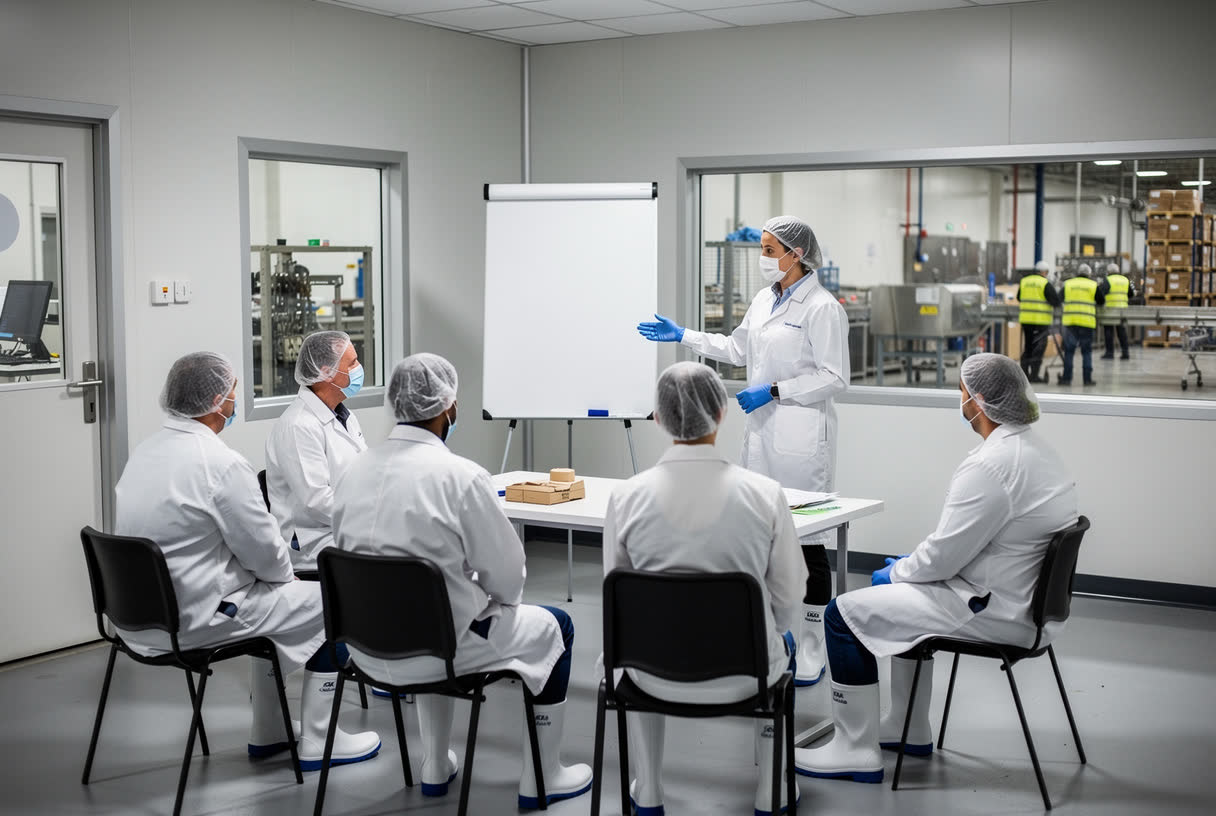
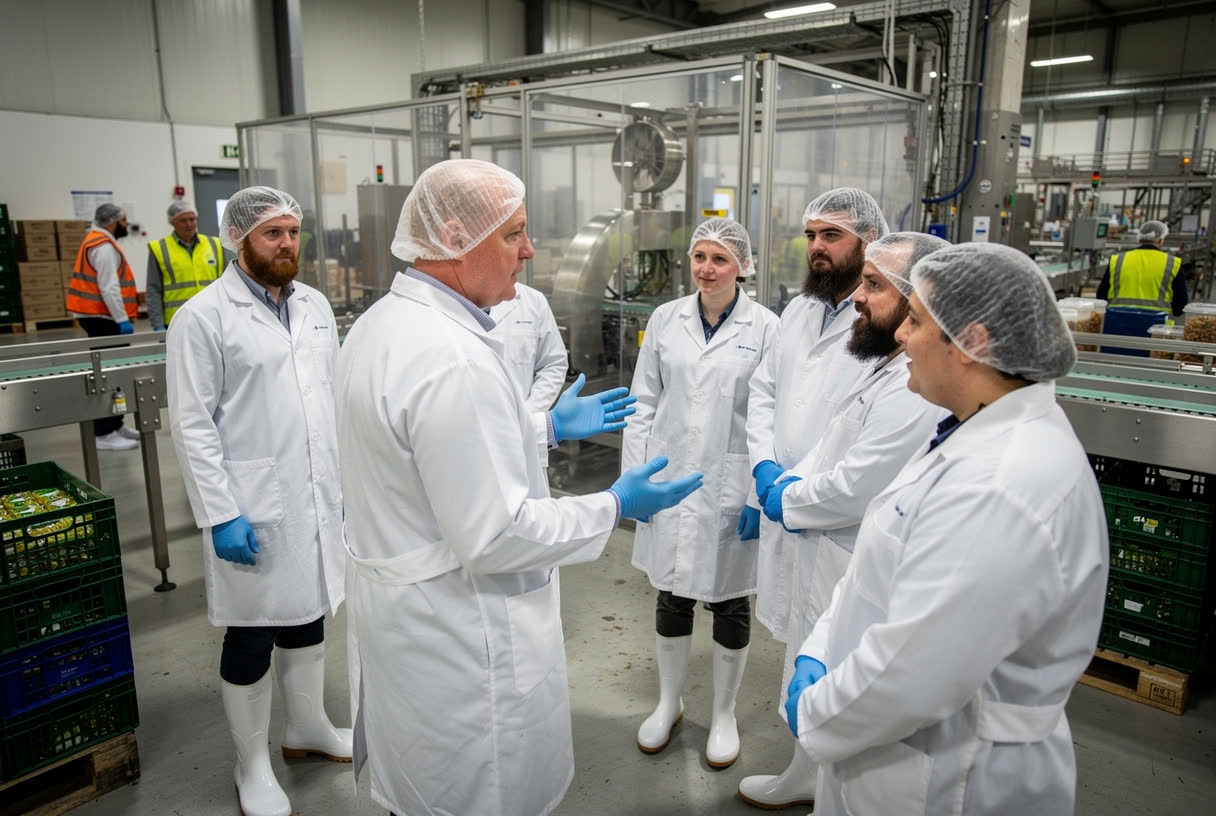
Your employer must give you the supervision, instruction and training you need to do your job safely. It must suit your role, and be kept up to date with regular refresher training.

Your employer must also give you practical, site-specific instruction in the procedures for your own work area.

You must take part in the training provided, and put what you learn into practice. Your employer should keep records of your training.

Managing Safe Food
Managing Safe Food

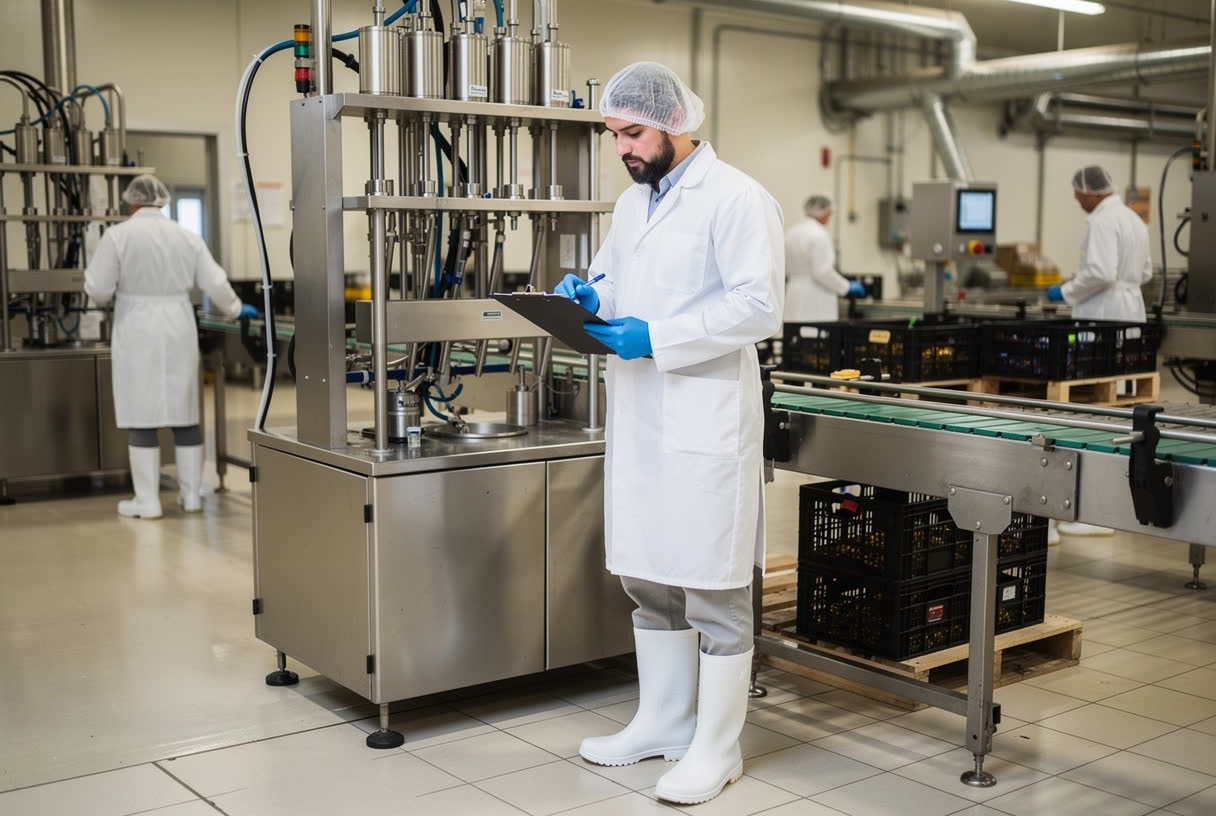
Every food manufacturer must run a food safety management system based on HACCP principles, supported by Good Manufacturing Practice. It includes monitoring and records at each critical control point.

Your part is to follow the procedures, carry out the checks that matter, and record them accurately and honestly at the time you do them.

If a check fails, report it at once, so that corrective action can be taken.

Summary

In this module, you have learned that:

Contamination, cross-contamination, Good Manufacturing Practice and HACCP are the key terms of safe food production.

Food handlers and employers both have legal duties, and staff must be trained and supervised for their role.

Every manufacturer must run a HACCP-based food safety management system, with accurate checks and records.

In the next module, we will look at food safety law, and how it is enforced.

Knowledge Check
What does GMP stand for?
Select one answer, then press Check.
General Maintenance Procedure.
Good Manufacturing Practice.
Goods Movement Plan.
Glove and Mask Policy.
Correct. GMP stands for Good Manufacturing Practice.
Not quite. GMP is the set of procedures and standards that keep production safe and consistent. Try again.
Get the full course →Answer the question to unlock the next module.
Page 1 of 17