← Exit
Module 1 · The Fire Warden Role0% complete · 14 slides left
Fire Warden / Fire Marshal
Module 1
This course contains audio. Use headphones in public places.
Introduction
Introduction

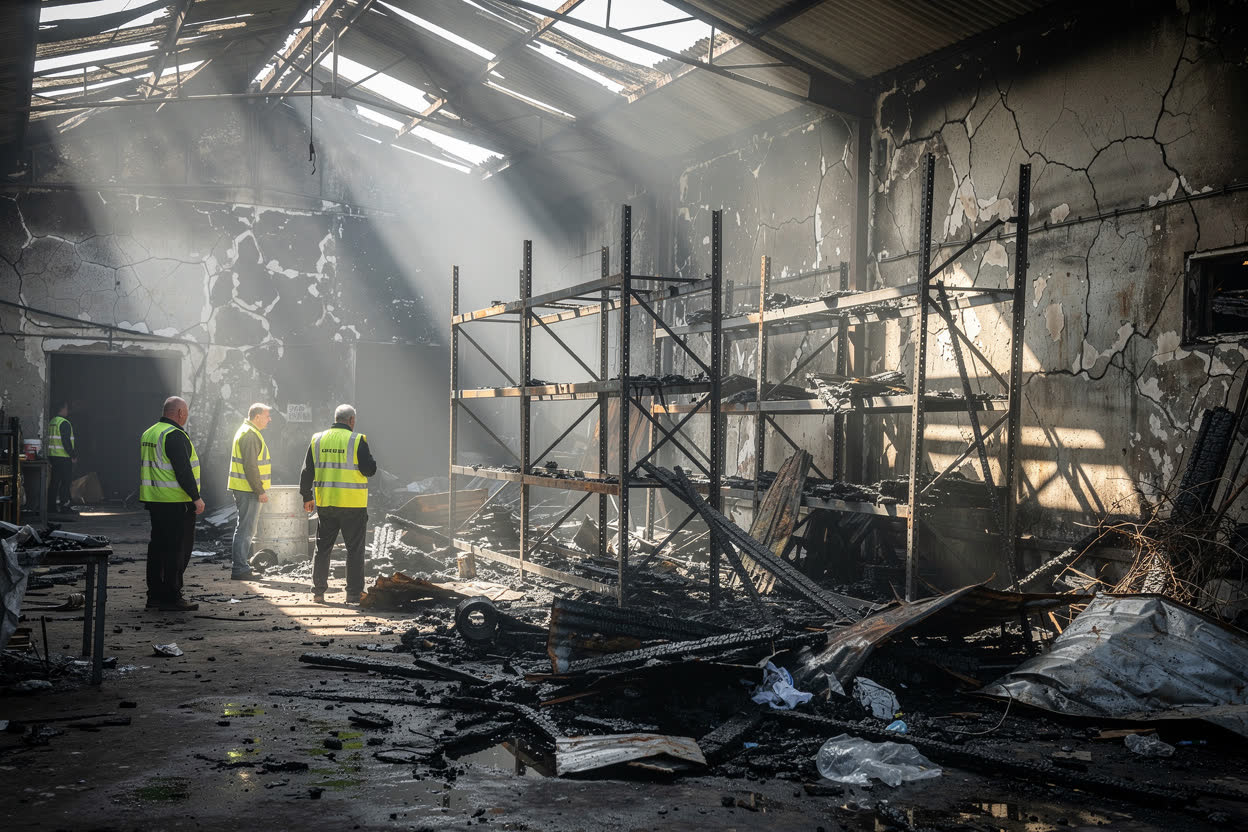
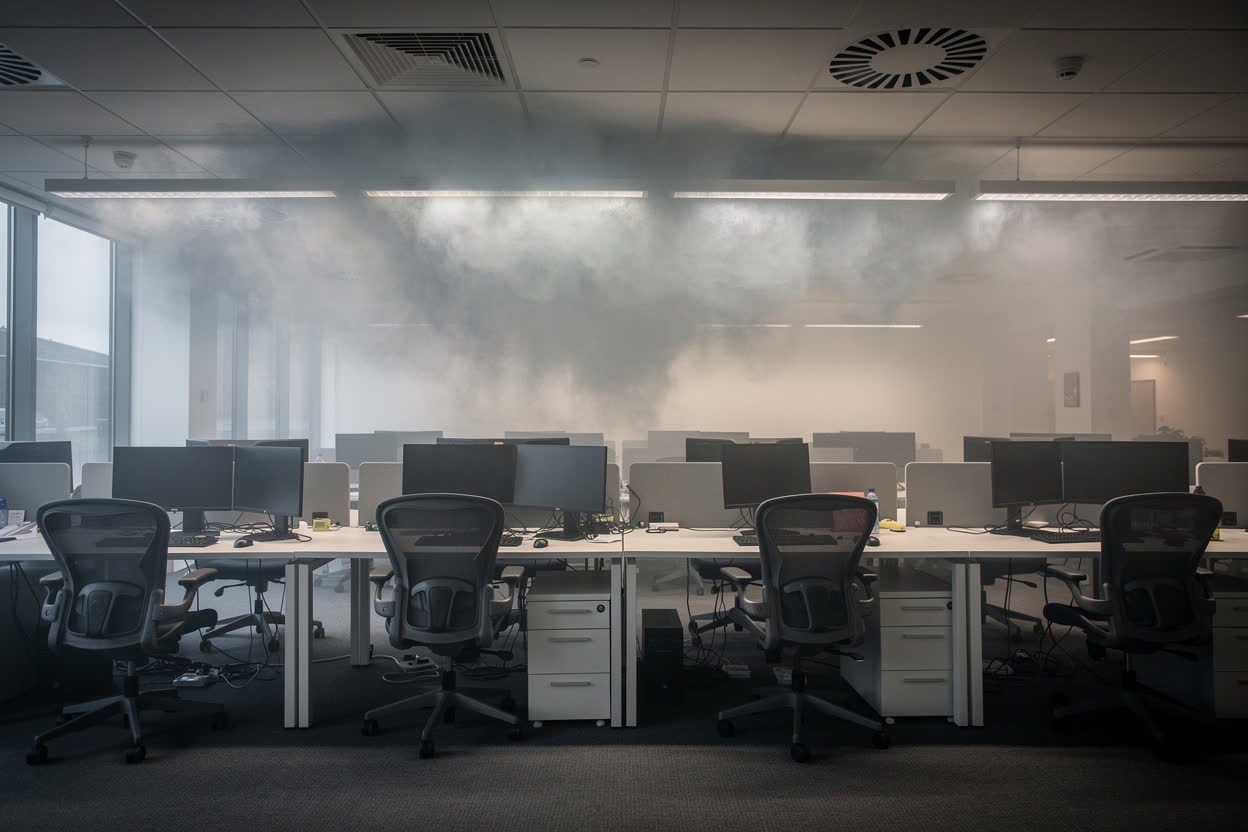
Fire can destroy a workplace in minutes. Smoke spreads faster than most people expect, and a few minutes of confusion can cost lives. Most of the people who die in fires are killed by smoke, not by flames.

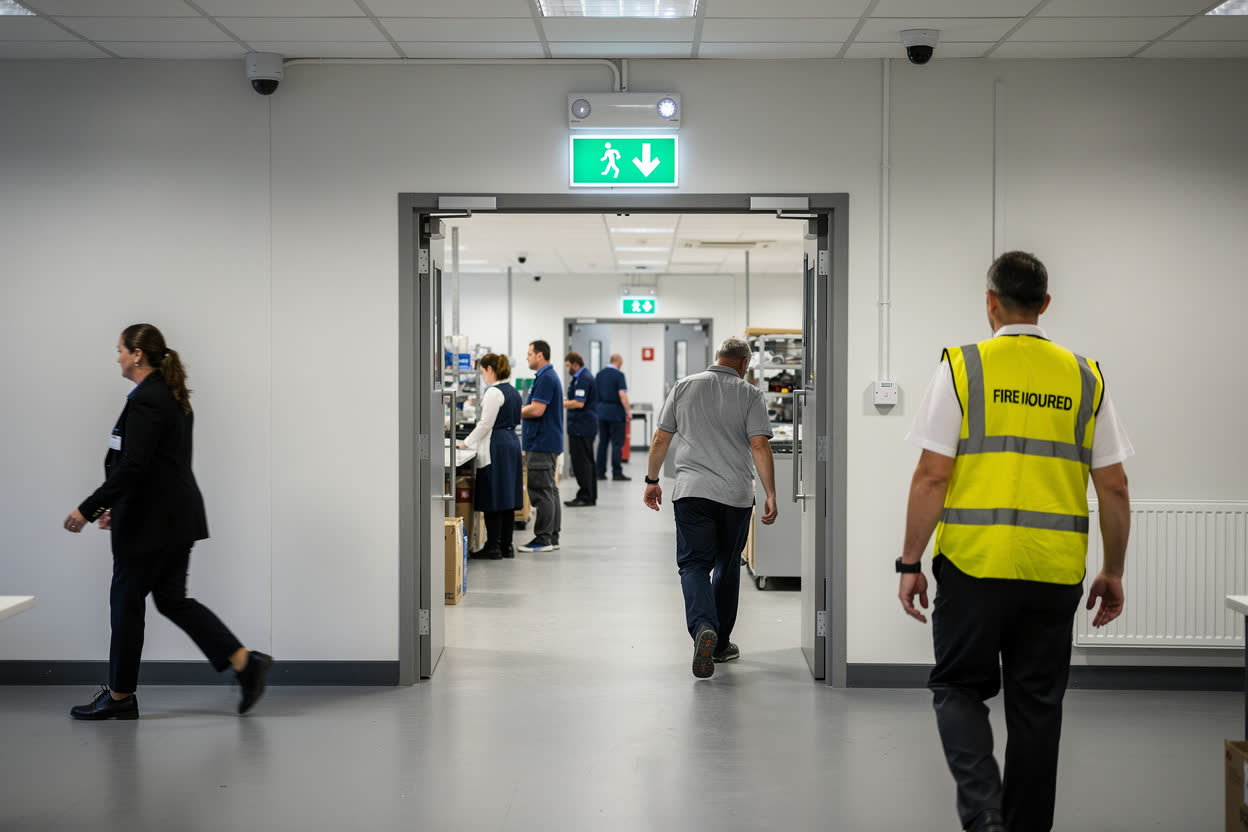
That is why every workplace needs people who understand fire, who help to prevent it, and who know exactly what to do when the alarm sounds. Those people are fire wardens, also called fire marshals.

This course prepares you for that role. It covers how fire starts and spreads, how the risk is assessed and controlled, and how to lead people safely out of a building in an emergency.
Course Aims
Course Aims

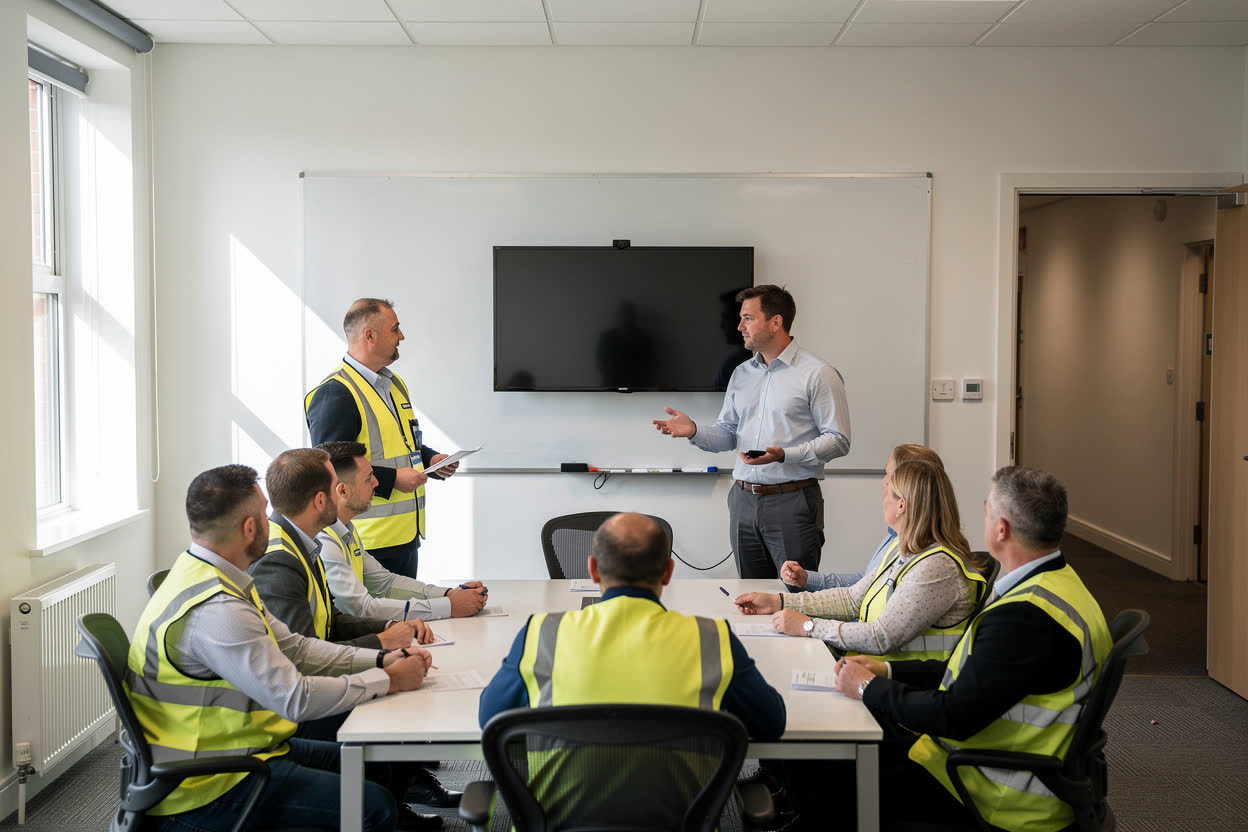
By the end of this course you will be able to:

  • Describe the main fire safety laws in Ireland, and the duties they place on employers and people in control of premises.
  • Explain how fire starts and spreads, and identify the classes of fire.
  • Understand how a fire risk assessment is carried out, and the part you play in it.
  • Recognise fire prevention and protection measures, including alarms, extinguishers, fire doors and signs.
  • Carry out your duties as a fire warden before, during and after an evacuation.
In This Module
In This Module

Module 1 explains why fire safety matters and where the fire warden fits in. You will learn about:

  • The consequences of fire in the workplace.
  • The order in which fire risks are controlled.
  • Fire safety law in Ireland, and who enforces it.
  • The duties of a fire warden, and the training you need.
  • How many fire wardens a workplace needs.
Why Fire Safety Matters

A serious fire can do far more than damage a building. It can:

  • Kill or seriously injure employees, visitors and members of the public.
  • Destroy equipment, stock and records that took years to build up.
  • Close a business for months. Many businesses never reopen after a major fire.
  • Lead to prosecution, fines and even imprisonment for those responsible.

Most workplace fires are preventable. They are caused by everyday things: faulty electrics, careless smoking, poor housekeeping, hot work and deliberate fire setting. Good fire safety management deals with all of these.

How Fire Risk Is Controlled

Fire safety follows a simple order of priorities. Each step is used before relying on the next:

  • Avoid: remove the hazard altogether, for example by using a non-flammable product.
  • Prevent: stop fires starting, through good housekeeping, safe electrics and control of ignition sources.
  • Detect and warn: find a fire quickly and alert everyone, with smoke detectors and fire alarms.
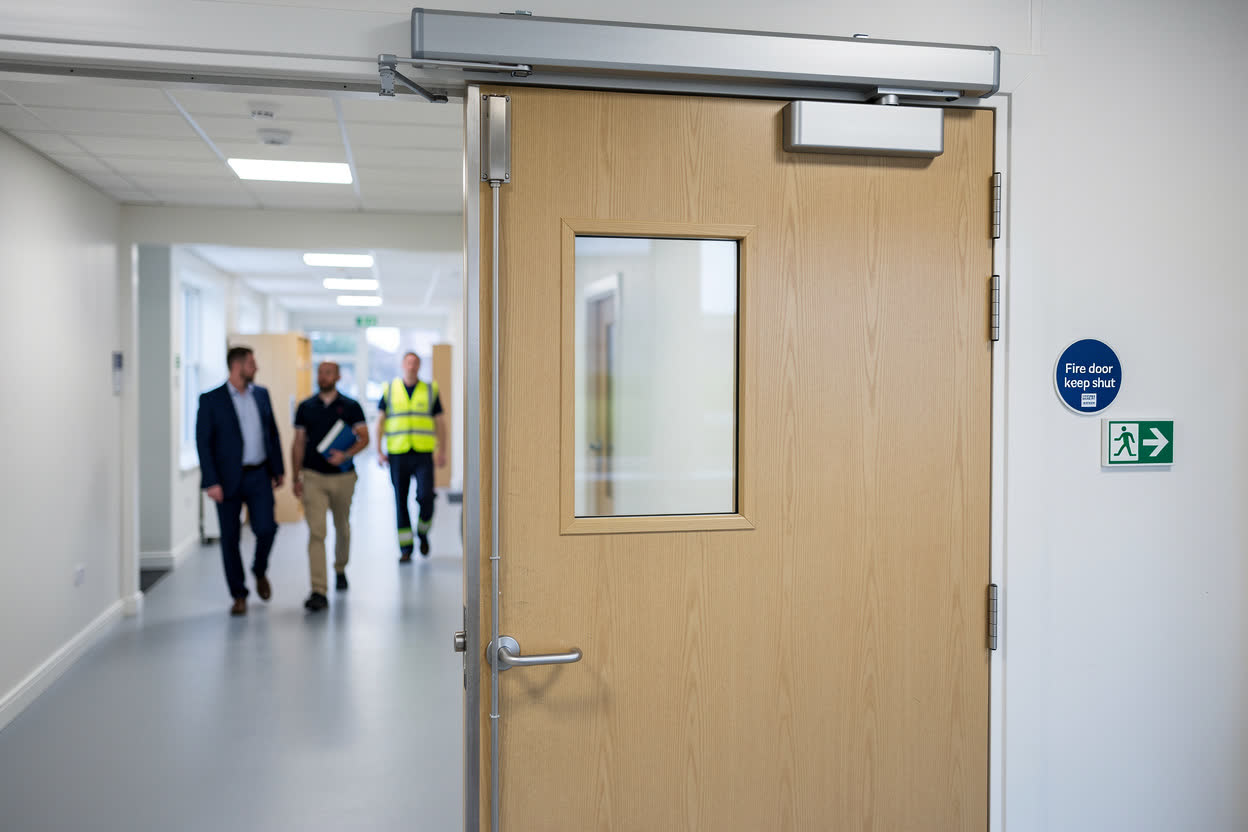
  • Contain: stop fire and smoke spreading, with fire doors and fire-resisting walls.
  • Escape: make sure everyone can get out safely, using clear escape routes, lighting and signs.
  • Fight: tackle a small fire only when it is safe, using the right extinguisher.
Fire Safety Law in Ireland

The main laws covering fire safety at work in Ireland are:

  • The Fire Services Acts 1981 and 2003. Section 18 requires anyone in control of premises to take all reasonable measures to guard against fire, and to protect people if a fire happens.
  • The Safety, Health and Welfare at Work Act 2005, which requires employers to assess risks, prepare emergency plans and appoint people to put them into action.
  • The General Application Regulations 2007, which cover fire detection, fire fighting equipment, emergency routes and exits, and safety signs.
  • The Building Regulations, Part B, which set fire safety standards for the design and construction of buildings.
Who Is Responsible?
Who Is Responsible?

Under Irish law, the duties fall on the employer and on anyone who has control over the premises, such as the owner, the occupier or a facilities manager.

They must make sure that:

  • A fire risk assessment is carried out and kept up to date.
  • Fire prevention and protection measures are in place and working.
  • There is a written emergency plan, and enough trained people to carry it out.
  • Employees receive information, instruction and training on fire safety.
General Fire Precautions

The measures that the law requires in every workplace are called general fire precautions. They include:

  • Measures to reduce the risk of fire starting, and of it spreading.
  • Safe escape routes and exits, kept clear and available at all times.
  • Fire detection and a way of raising the alarm.
  • Suitable fire fighting equipment.
  • Emergency procedures, including what to do if fire breaks out.
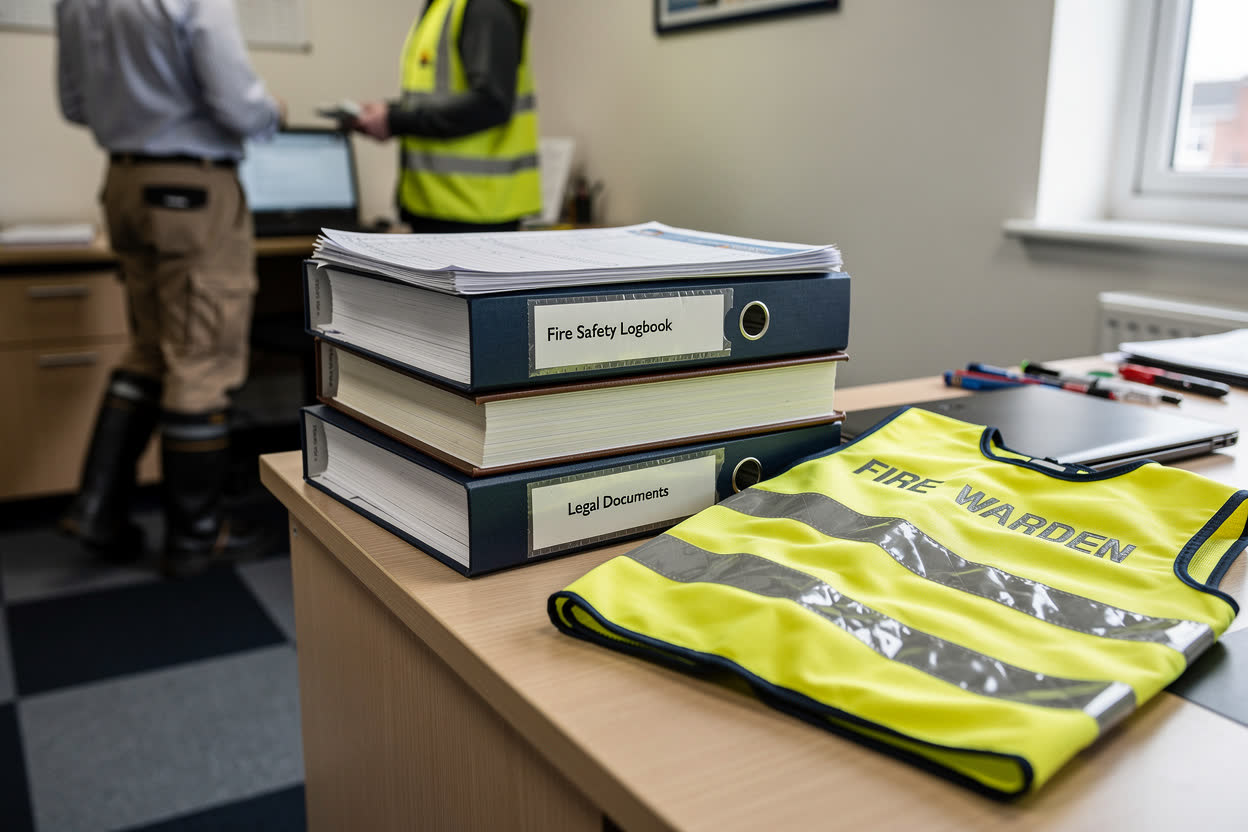
  • Training for employees, and the appointment of fire wardens.

Fire wardens play an important part in keeping these precautions working day to day.

What Does a Fire Warden Do?

A fire warden is appointed to help keep their area of the workplace safe from fire. The role has two sides.

Day to day, a fire warden:

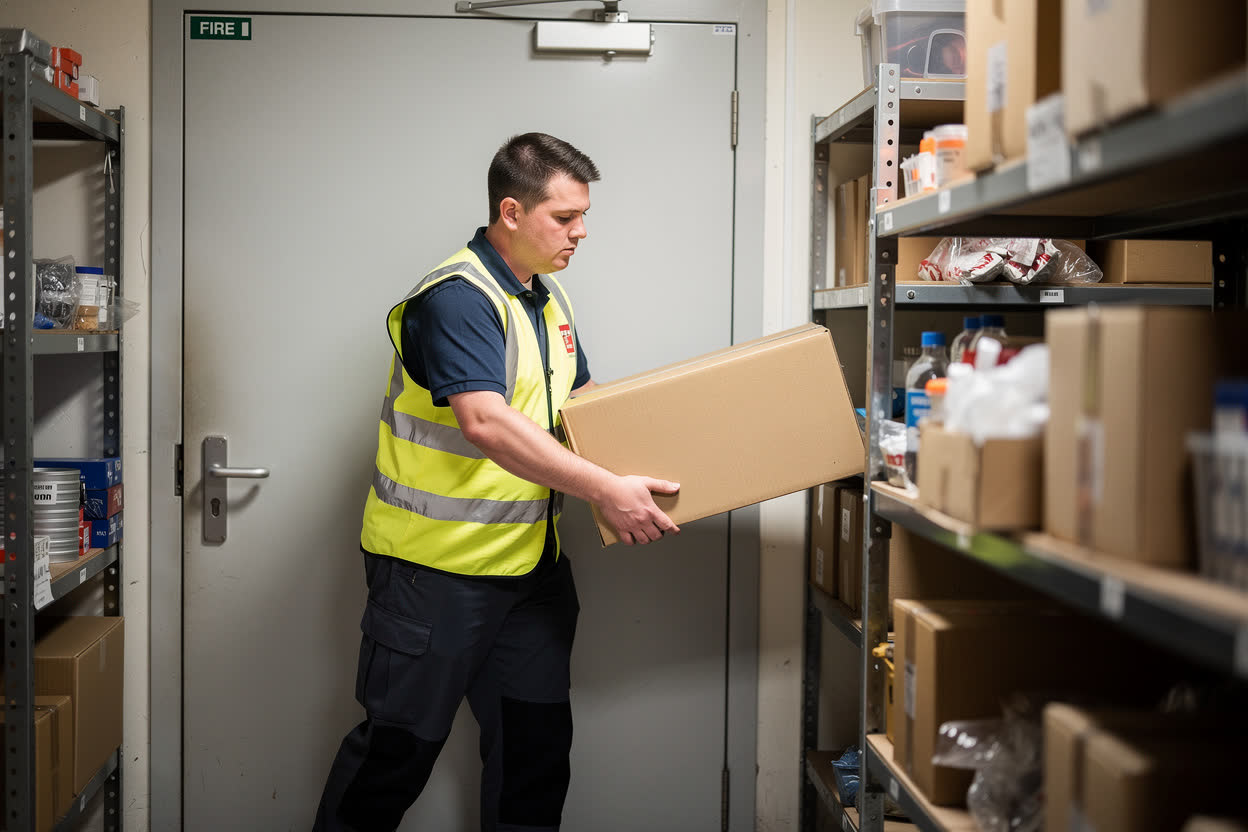
  • Keeps an eye on fire risks, such as blocked exits, wedged fire doors, poor housekeeping or damaged equipment.
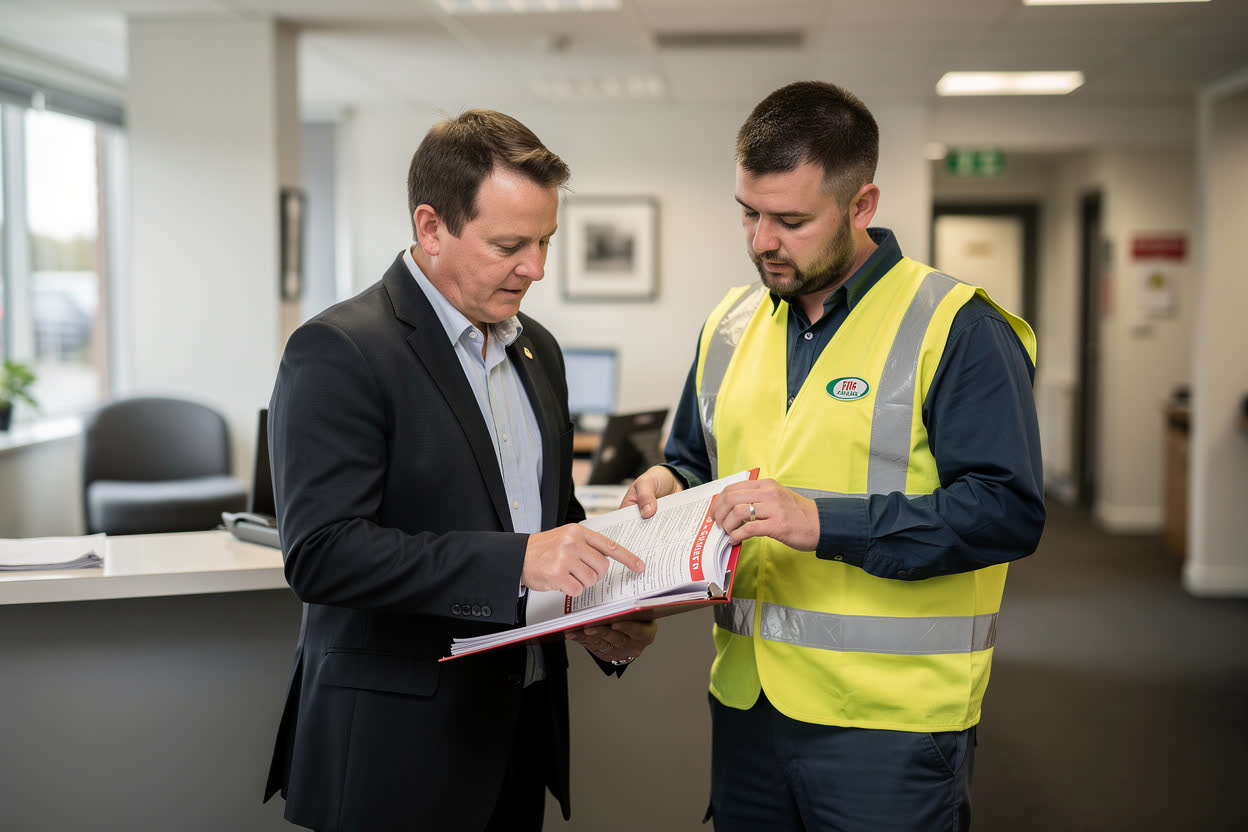
  • Reports problems to the person in charge of fire safety.
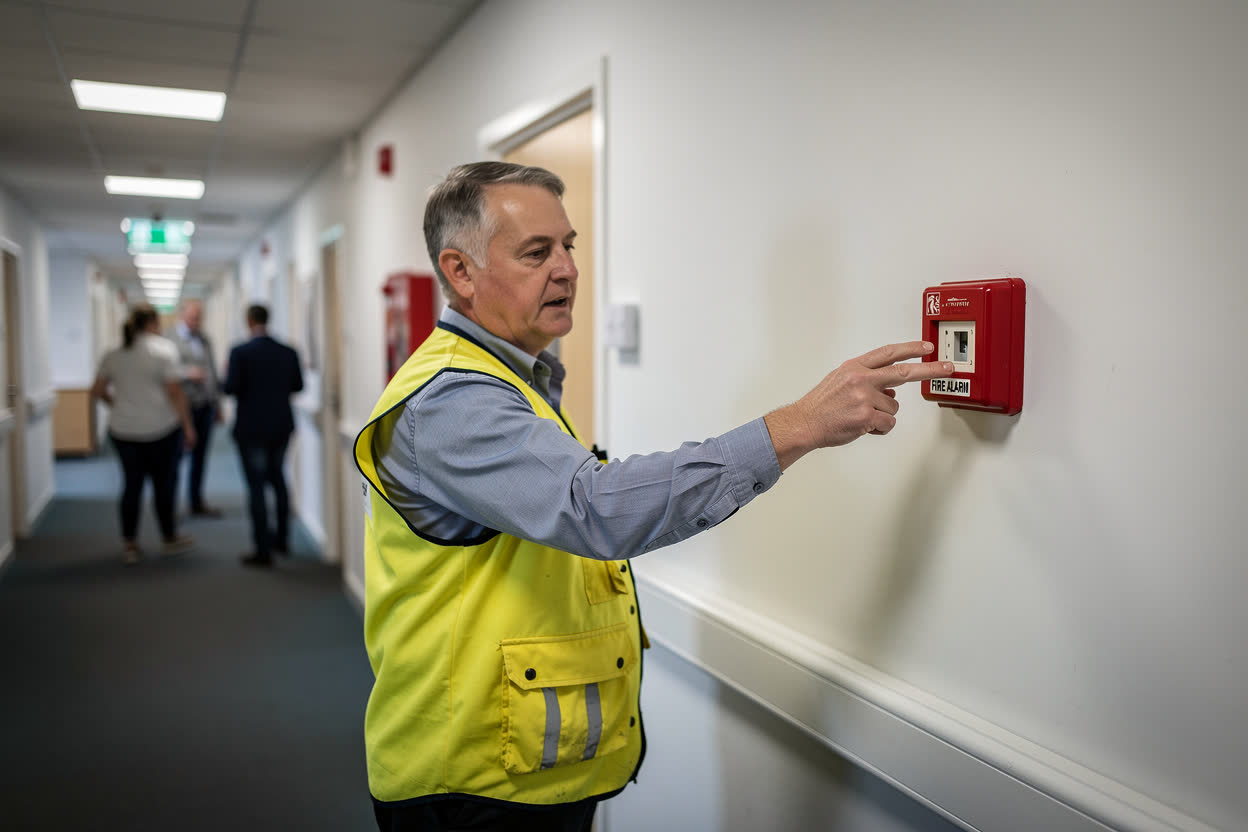
  • Helps with fire drills, alarm tests and checks.

In an emergency, a fire warden:

  • Makes sure the alarm has been raised.
  • Helps everyone in their area to leave quickly, checks that the area is clear, and reports to the assembly point.
Training for Your Role

This course gives you the knowledge every fire warden needs. As well as completing it, you should also receive training from your employer on:

  • Your own area: its escape routes, exits, alarm call points, extinguishers and assembly point.
  • The emergency plan for your building, including how people with disabilities will be helped out.
  • Your exact duties during an evacuation, and who you report to.
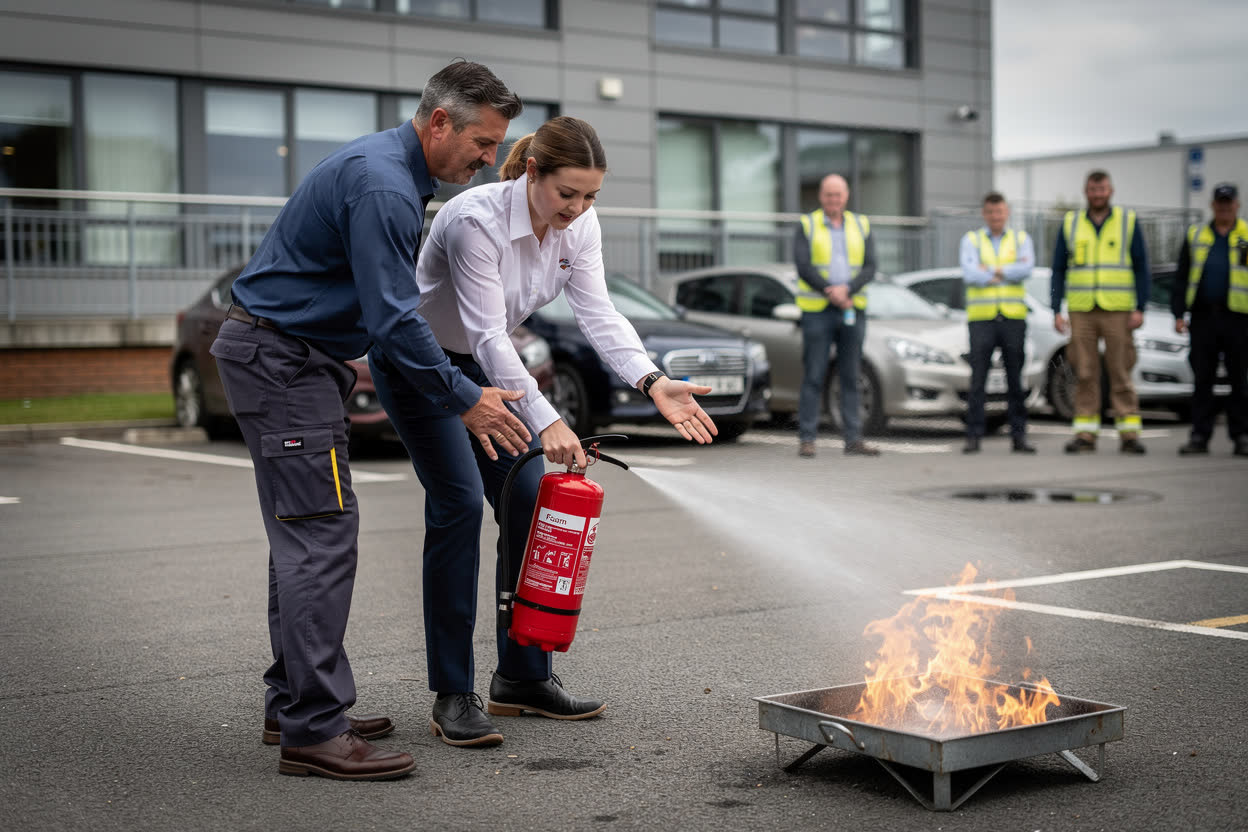
  • Hands-on practice with fire extinguishers, if your employer’s policy is for wardens to tackle small fires.

Training should be refreshed regularly, and whenever the building, the work or the emergency plan changes.

How Many Fire Wardens?

There is no fixed number in law. The number of fire wardens is decided through the fire risk assessment, taking into account:

  • The size and layout of the building, and the number of floors.
  • How many people are in the building, including visitors and members of the public.
  • The level of fire risk from the work being carried out.
  • Shift patterns, part-time work, holidays and sickness, so that there is always cover.
  • Any people who will need help to escape.

Every area, on every shift, should have a fire warden available, with a named deputy.

Who Enforces Fire Safety?

In Ireland, fire safety law is enforced by:

  • The local fire authorities, part of each local authority, which inspect premises under the Fire Services Acts.
  • The Health and Safety Authority, the HSA, which enforces workplace safety law, including emergency procedures and fire fighting equipment.

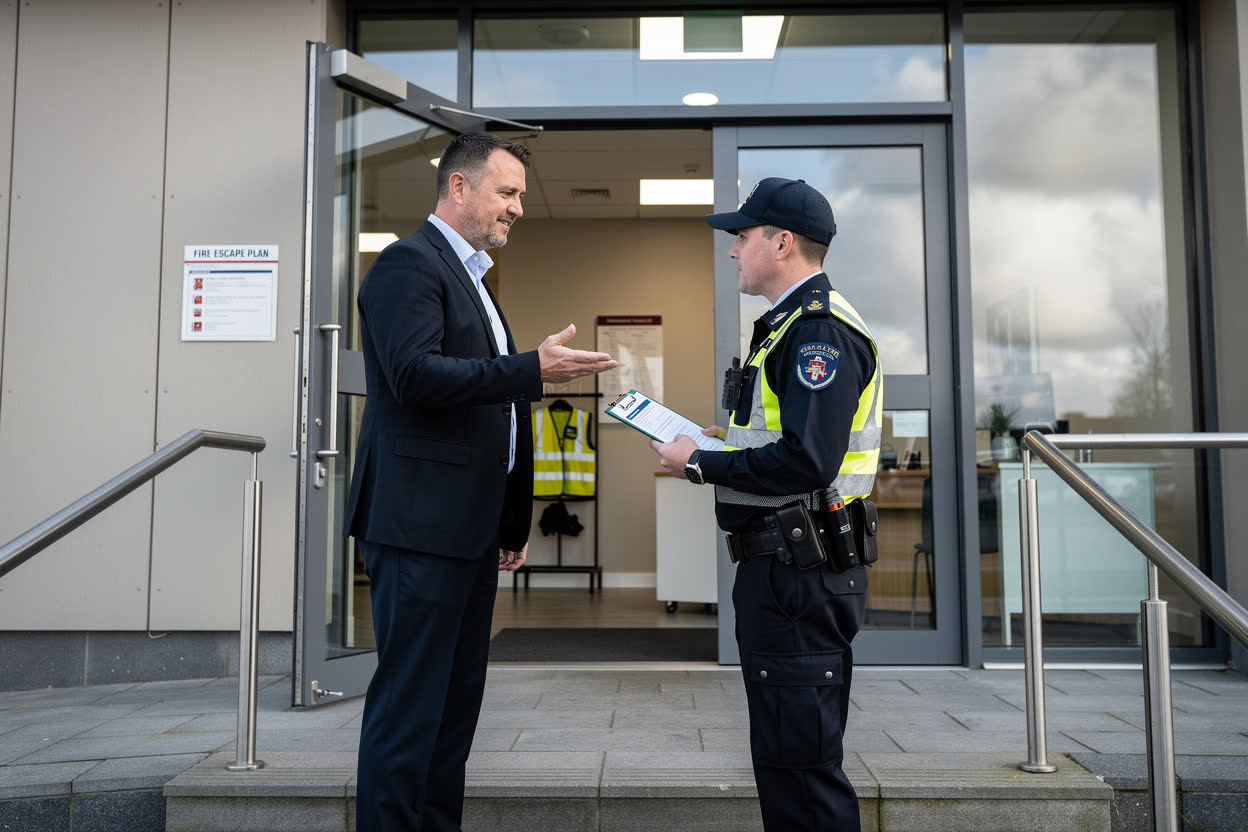
Inspectors can require improvements, and can stop the use of premises that are dangerous. Failing to comply is a criminal offence.

Summary

In this module, you have learned that:

Employers and anyone in control of premises have legal duties under the Fire Services Acts and the 2005 Act.

Fire risk is controlled in order: avoid, prevent, detect and warn, contain, escape, and only then fight.

A fire warden helps prevent fire day to day and leads people out safely in an emergency.

In the next module, we will look at how fire starts and spreads, and the different classes of fire.

Knowledge Check
What is the first priority in controlling fire risk?
Select one answer, then press Check.
Buying more fire extinguishers
Avoiding or removing the hazard altogether
Running more fire drills
Fitting more exit signs
Correct. The best fire safety measure is to remove the hazard altogether, so a fire cannot start in the first place.
Not quite. Think about the order of priorities: avoid, prevent, detect and warn, contain, escape, and only then fight. Try again.
Get the full course →Answer the question to unlock the next module.
Page 1 of 15