← Exit
Module 1 · Understanding Asbestos0% complete · 14 slides left
Asbestos Awareness
Asbestos Awareness
Module 1
This course contains audio. Use headphones in public places.
Introduction
Introduction

Asbestos is a natural mineral that was built into homes, schools, hospitals, offices and factories for most of the twentieth century. It was cheap, strong and fire resistant, so it was used almost everywhere.

Today asbestos is the single biggest cause of work-related cancer deaths in Europe. In 2019 alone, more than 70,000 people across the European Union died from illnesses caused by breathing in asbestos fibres.

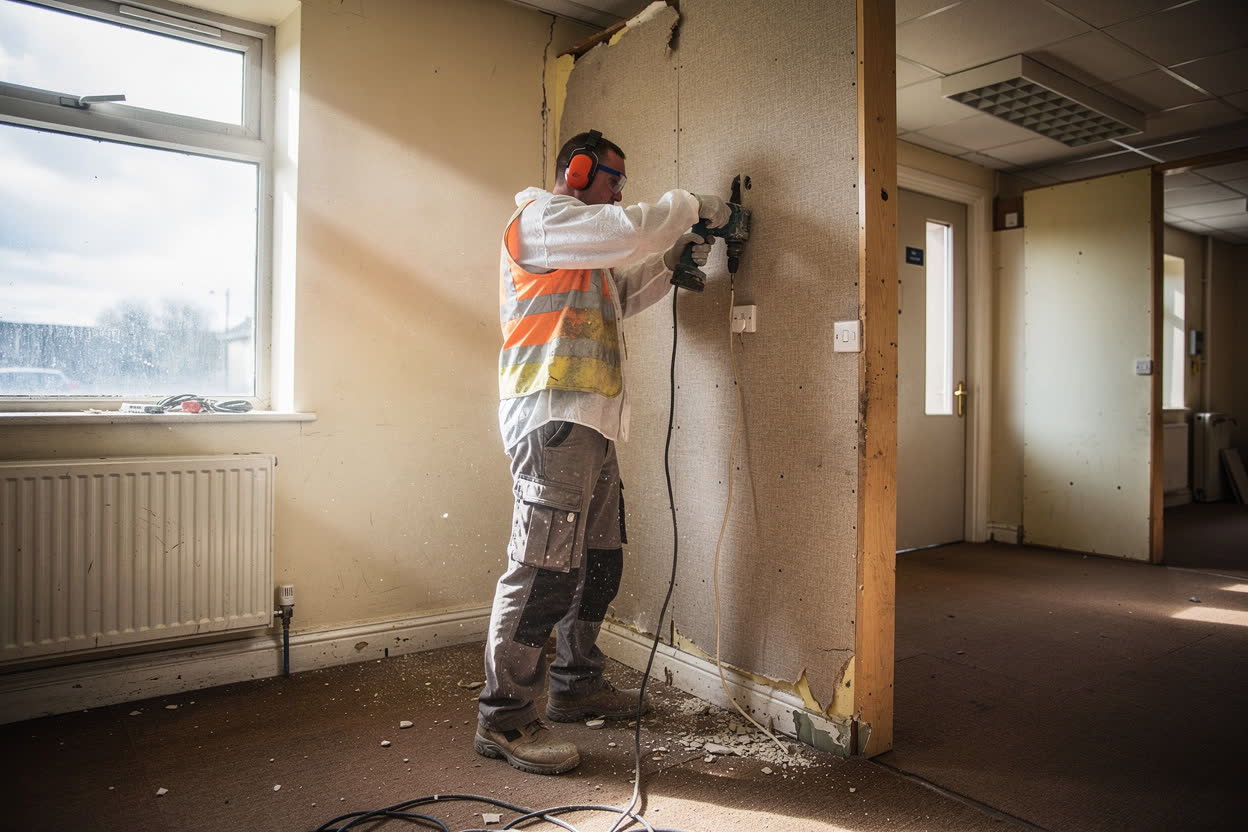
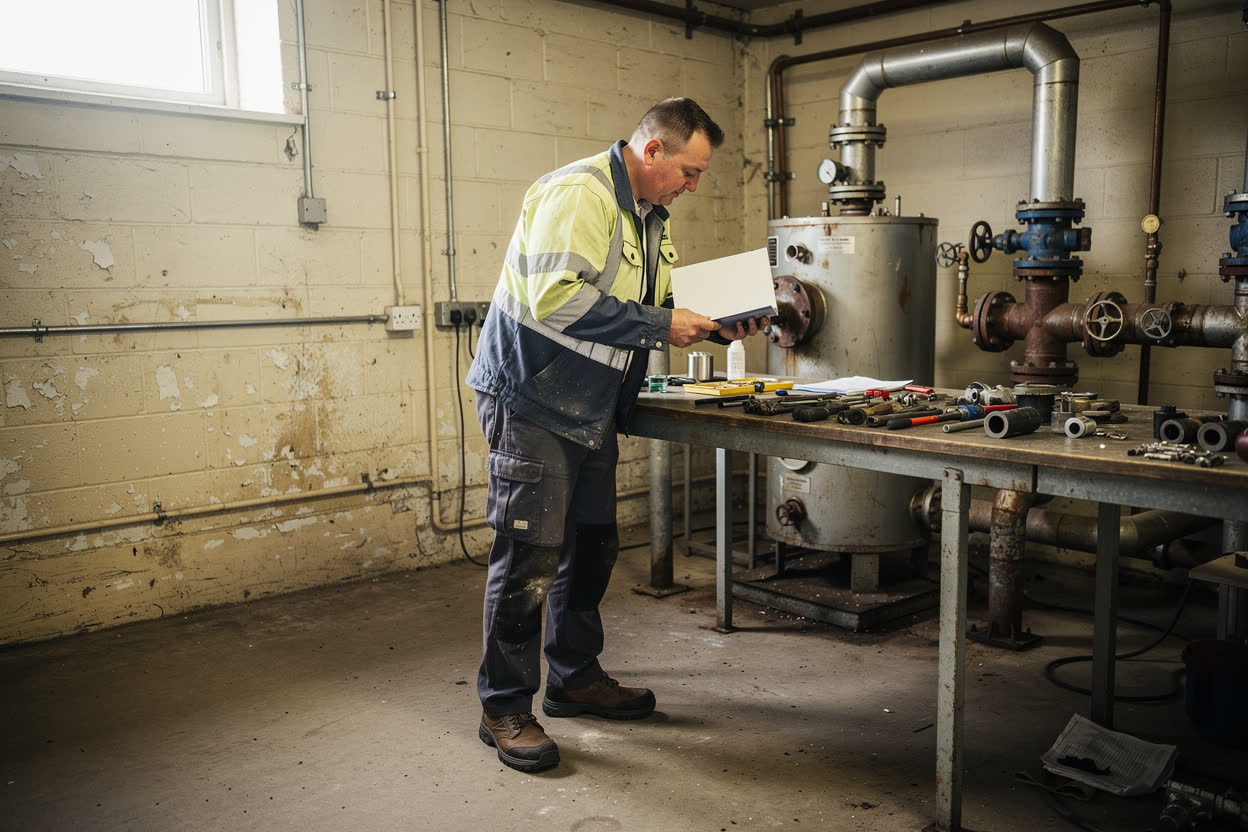
Most of those people were exposed years ago while doing ordinary jobs, such as fitting, wiring, plumbing or repairing buildings. This course will help you recognise where asbestos may be hiding, and know what to do so that you never become one of them.
Course Aims
Course Aims

This is an asbestos awareness course. By the end of it, you will be able to:

  • Explain what asbestos is, and why it is dangerous.
  • Recognise the materials and places where asbestos is most likely to be found.
  • Describe the main duties of employers, building owners and employees under Irish asbestos law.
  • Understand the diseases asbestos causes, and how exposure is kept to a minimum.
  • Know exactly what to do if you find suspect material, or disturb asbestos by accident.

Awareness training does not qualify you to work on asbestos. It teaches you how to avoid disturbing it.

In This Module
In This Module

Module 1 lays the foundations for the rest of the course. You will learn:

  • What asbestos is, and the three main types.
  • Why it was used so widely, and when it was banned.
  • Where asbestos is found in buildings and in other products.
  • When asbestos becomes dangerous.
  • Which workers are most at risk.
What Is Asbestos?
What Is Asbestos?

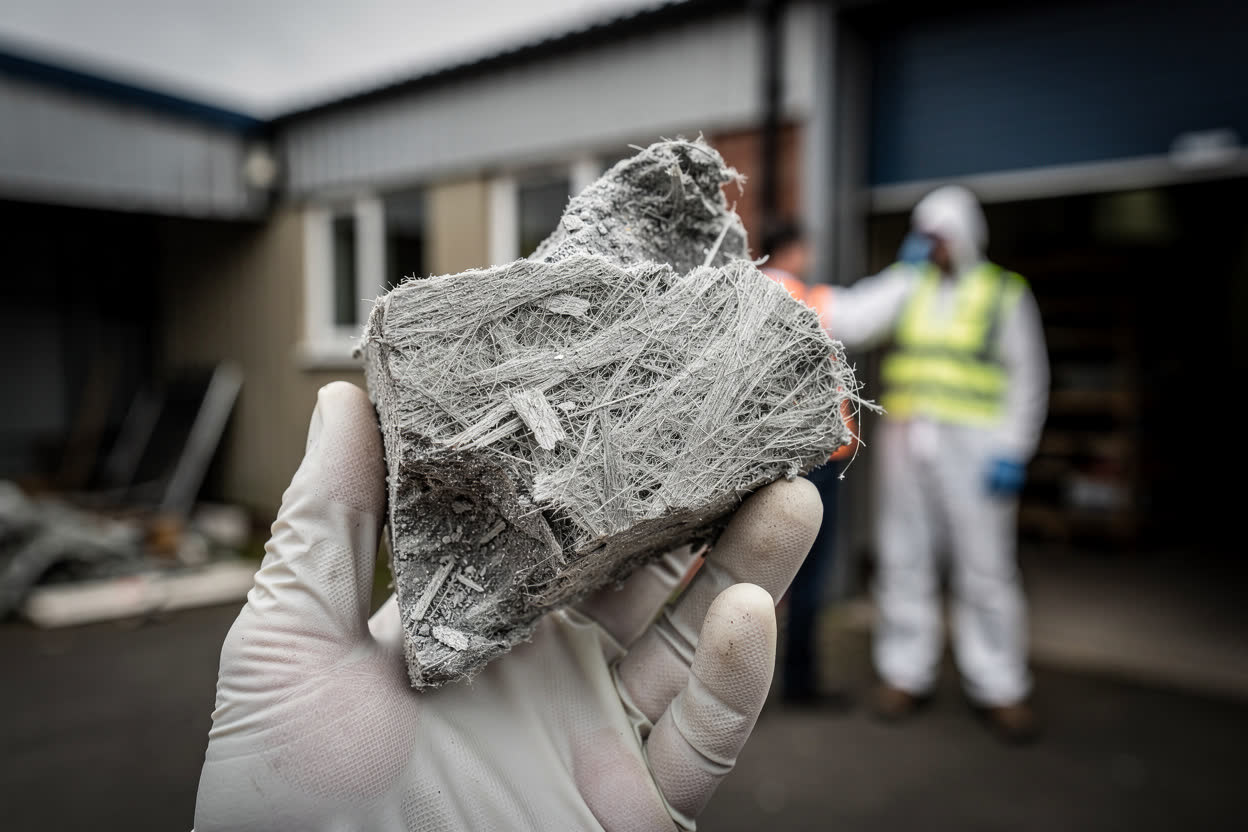
Asbestos is the name for a group of natural minerals that form long, thin fibres. The word comes from the Greek for unquenchable, because the fibres do not burn.

The fibres are so small that you cannot see them with the naked eye. When asbestos material is damaged, drilled, cut or broken, millions of these fibres can be released into the air.

Once they are breathed in, asbestos fibres can lodge deep in the lungs and stay there for life. The body cannot break them down, and over many years they can cause scarring and cancer.

The Main Types of Asbestos

Three types of asbestos were commonly used in buildings:

  • Chrysotile, known as white asbestos. This is the most common type, often found in cement sheets, floor tiles and textured coatings.
  • Amosite, known as brown asbestos. It was used mainly in insulation board and pipe insulation.
  • Crocidolite, known as blue asbestos. It was used in sprayed coatings and some insulation, and is considered the most dangerous.

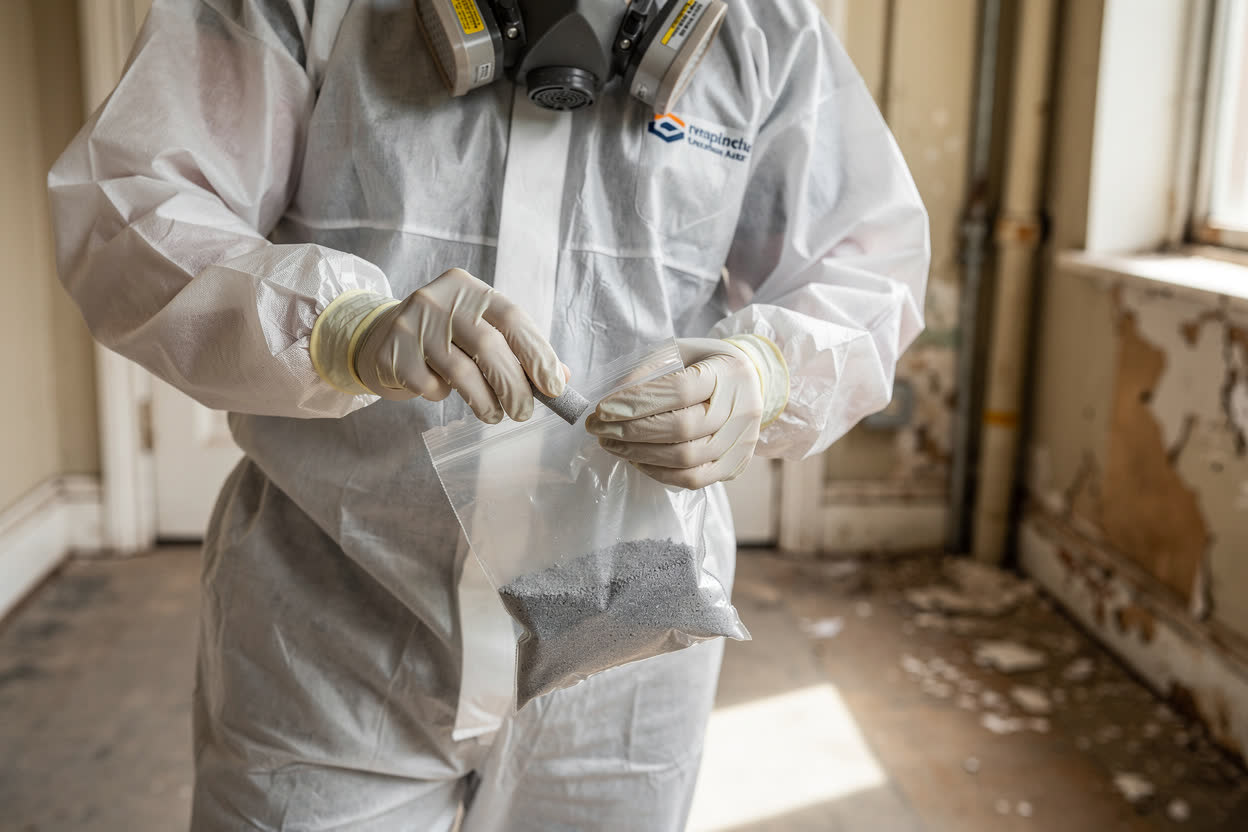
Despite these names, you cannot identify asbestos by its colour. Paint, dirt and other materials hide it. The only way to be sure is to have a sample analysed by an accredited laboratory. All types of asbestos are dangerous.

Why Was Asbestos So Widely Used?

For decades asbestos was seen as a wonder material. It was:

  • Fire resistant and heat resistant.
  • Strong and long lasting.
  • A good insulator against heat, sound and electricity.
  • Resistant to chemicals and rot.
  • Cheap, and easy to mix into other products such as cement, plaster, paint and plastics.

These same qualities are why so much of it is still in place today. Asbestos materials rarely wear out on their own, so they stay hidden in buildings until somebody disturbs them.

When Was Asbestos Banned?

Ireland banned the use of all types of asbestos in 2000, in line with European law. The same ban has applied across the whole of the European Union since 2005.

The ban stopped new asbestos from being installed, but it did not remove what was already there. Thousands of tonnes of asbestos materials remain in buildings today.

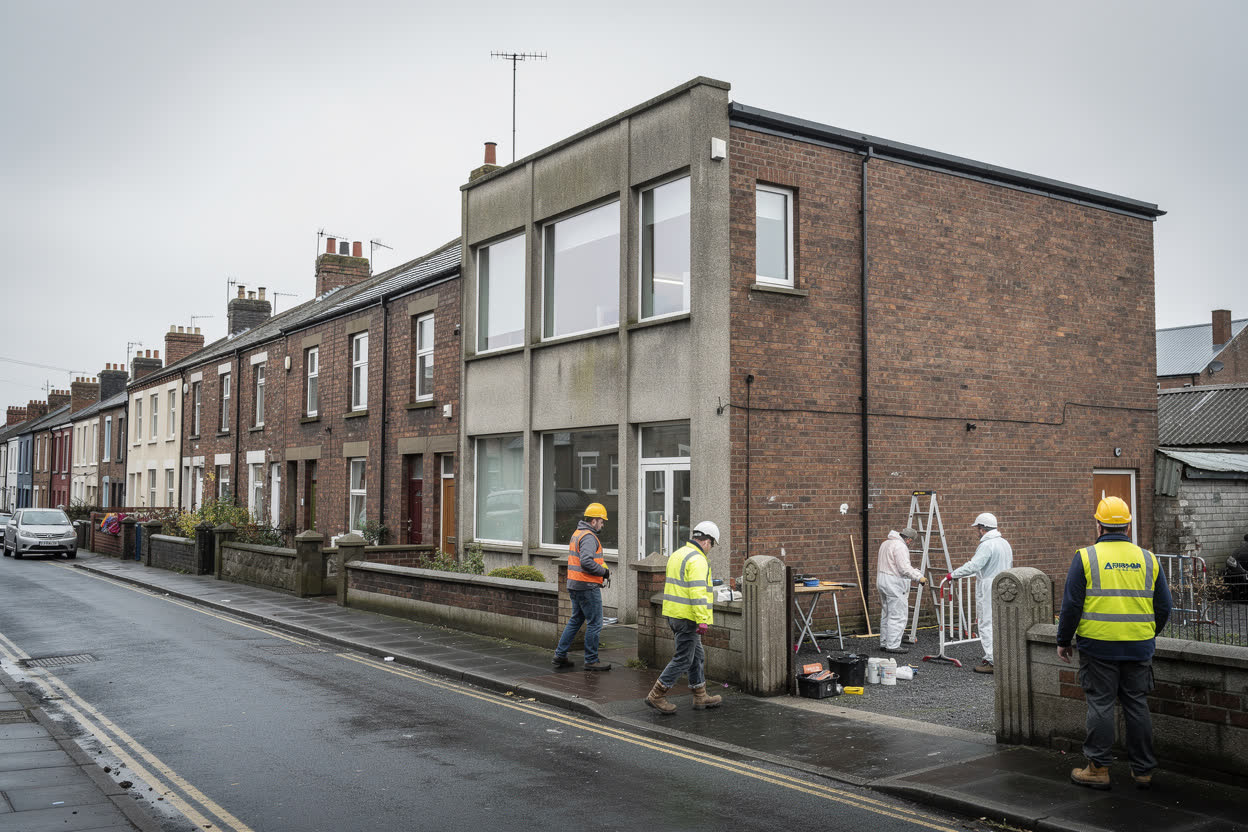
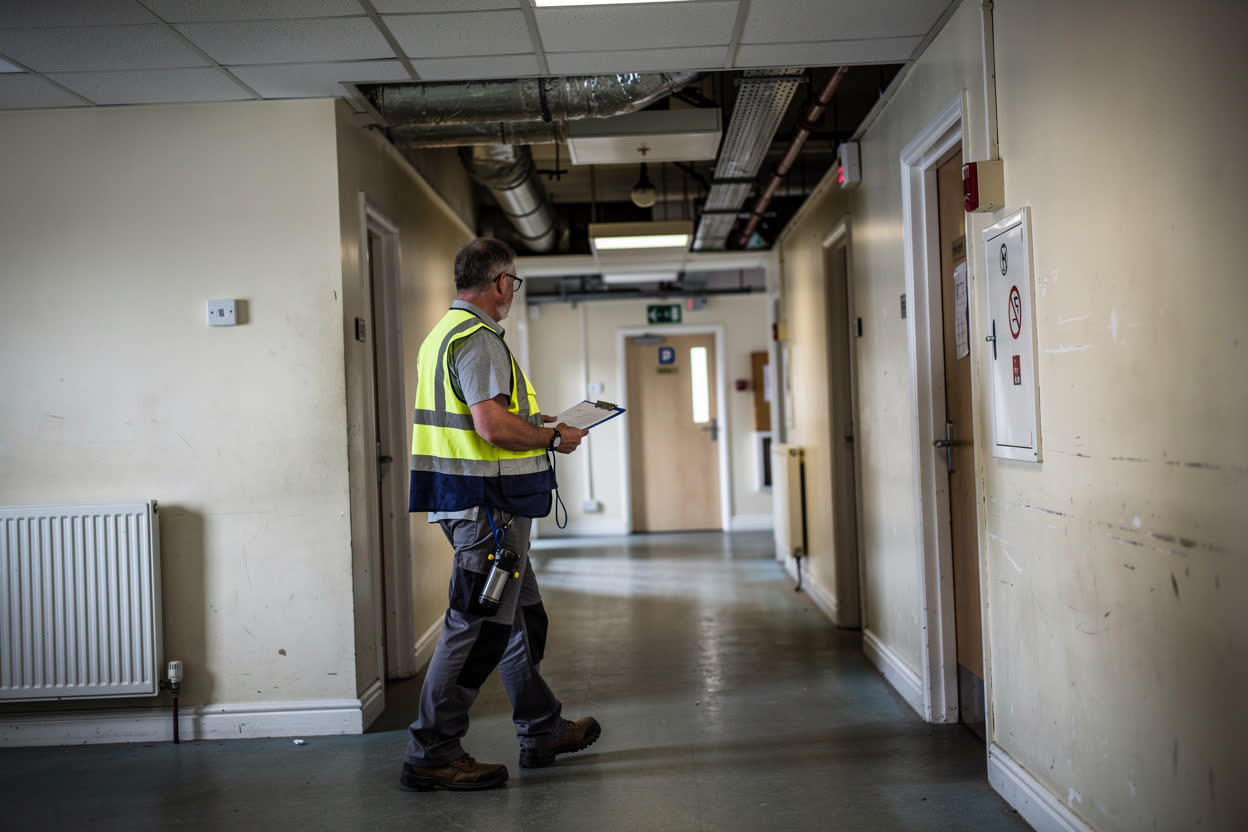
As a rule, any building that was built or refurbished before the year 2000 may contain asbestos. That includes homes, schools, hospitals, offices, farm buildings and factories.

Where Asbestos Is Found in Buildings

The materials most likely to release fibres are:

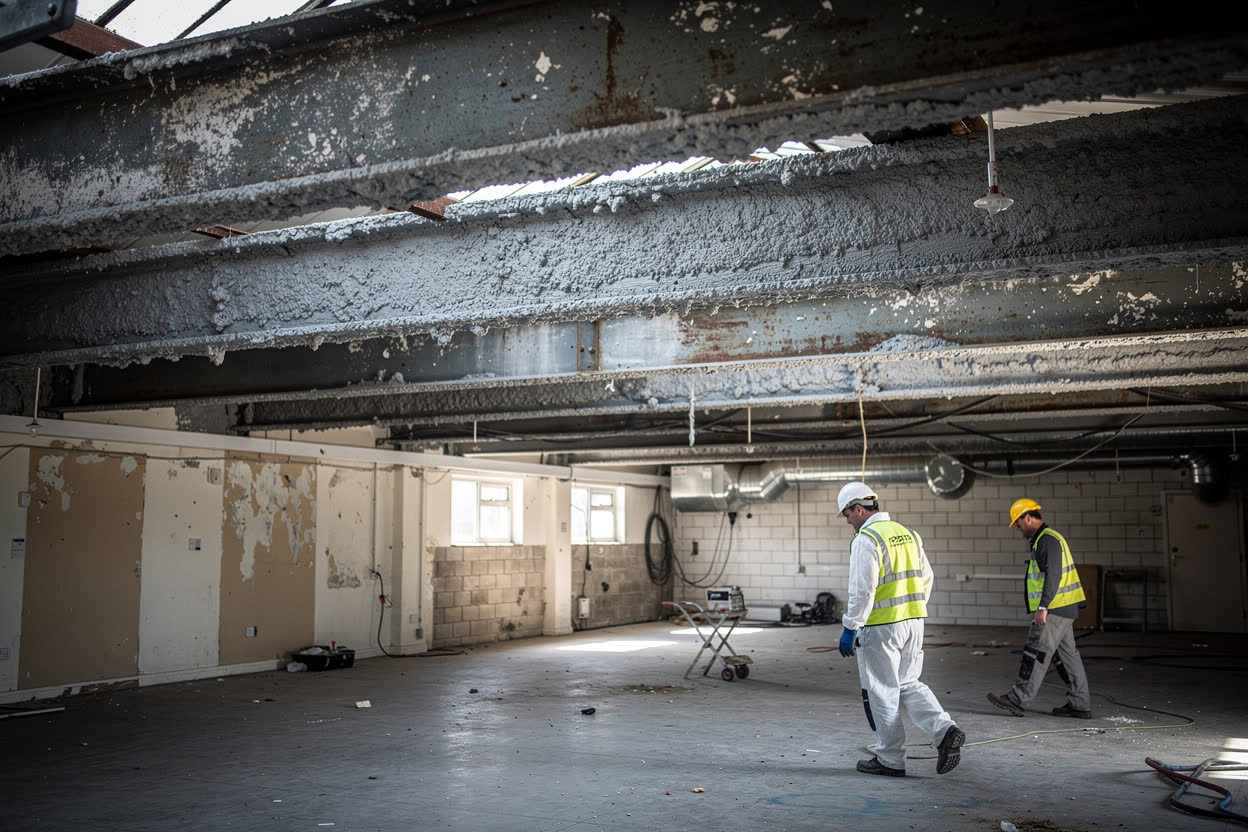
  • Sprayed coatings, used for fire protection on steel beams, ceilings and inside ducts.
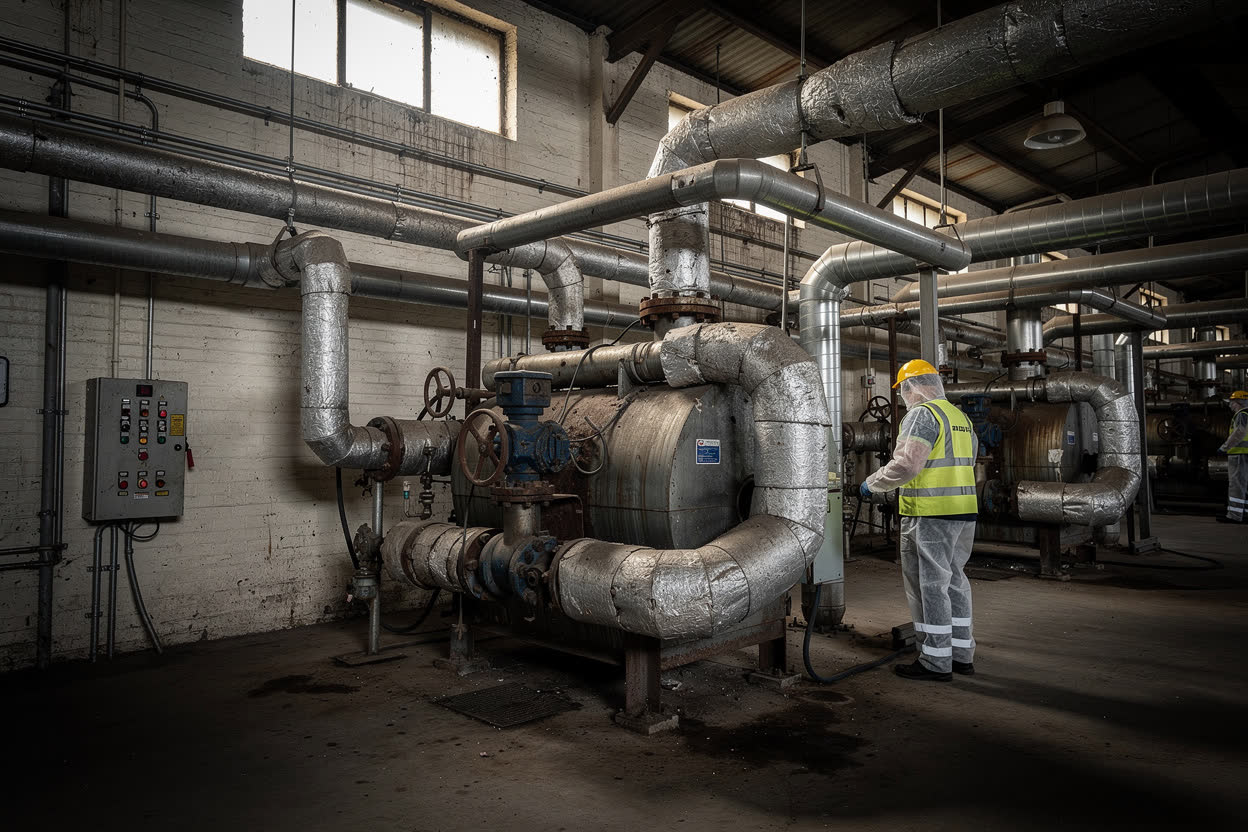
  • Lagging, used to insulate pipes, boilers and tanks.
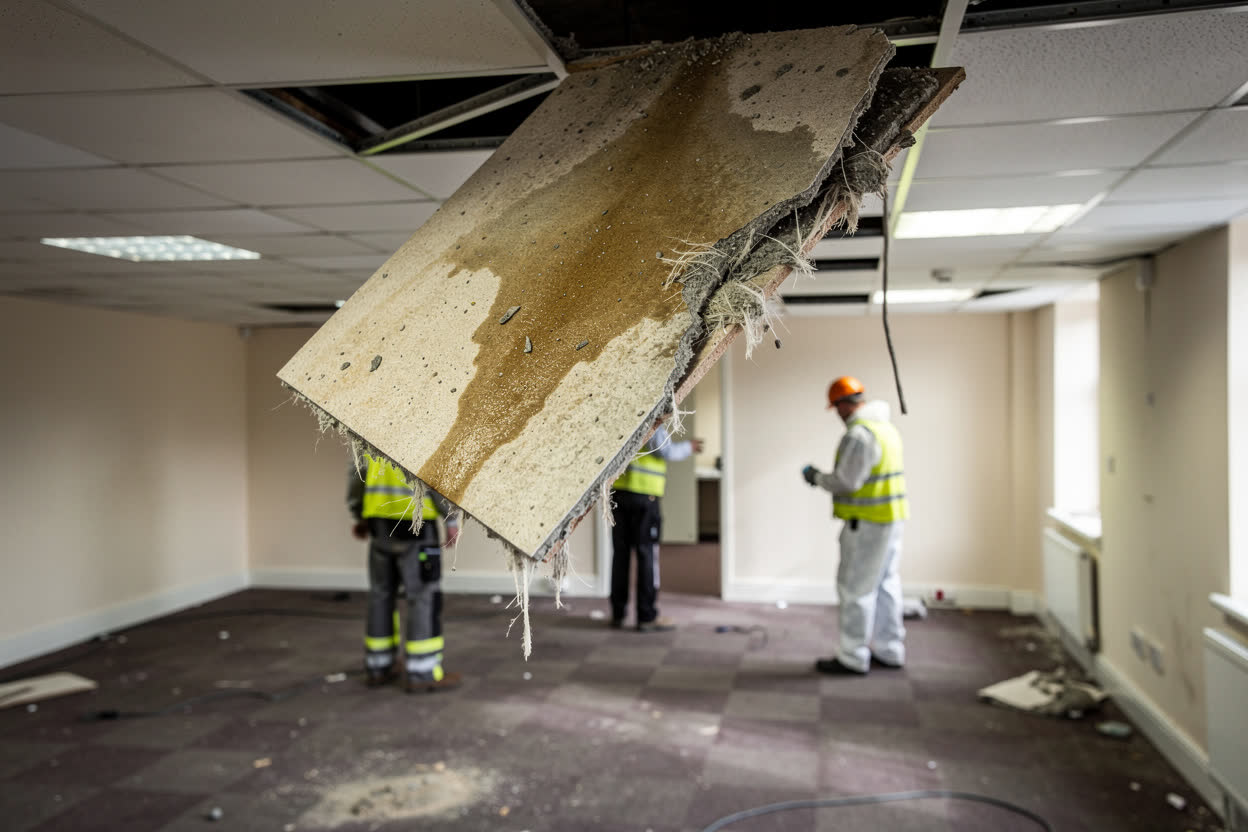
  • Asbestos insulation board, used in ceiling tiles, partition walls, fire doors, soffits and around heaters.

These are called high-risk materials because they are soft or loosely bound. Even a light knock can release fibres. Work on them must only be done by specialist contractors.

Other Asbestos-Containing Materials

Asbestos was also mixed into many firmer materials, including:

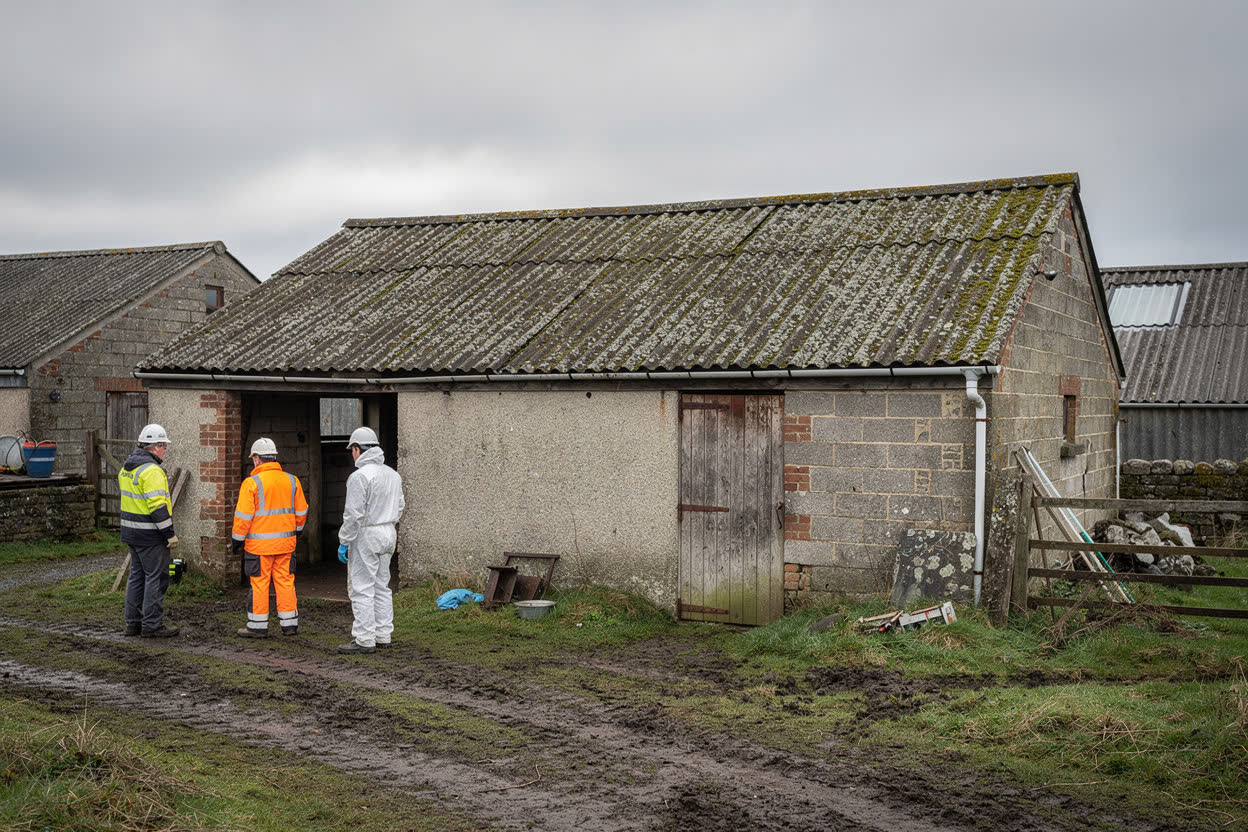
  • Asbestos cement sheets for roofs and wall cladding, plus gutters, downpipes, flues and water tanks.
  • Textured decorative coatings on walls and ceilings.
  • Vinyl and thermoplastic floor tiles, and the black bitumen adhesive beneath them.
  • Roofing felt, mastics, sealants and old toilet cisterns.
  • Fire blankets, gaskets, rope seals and older brake and clutch linings.

In these products the fibres are more tightly bound, but they are still released if the material is drilled, cut, sanded, broken or worn down.

When Does Asbestos Become Dangerous?

Asbestos that is in good condition, sealed and left alone, is not a danger. The risk starts when it is damaged or disturbed and fibres get into the air.

That can happen during everyday work, such as:

  • Drilling or screwing into walls, ceilings or boards.
  • Lifting floor tiles or ceiling tiles.
  • Removing old pipe insulation or boiler panels.
  • Sanding, cutting or breaking materials during refurbishment or demolition.

Asbestos can also break down with age, water damage or knocks. Damaged material should never be disturbed further.

Who Is Most at Risk?

The people most at risk are those who work on the fabric of buildings, often without knowing asbestos is there. They include:

  • Electricians, plumbers and heating engineers.
  • Carpenters, joiners and shopfitters.
  • Plasterers, painters and decorators.
  • Roofers, demolition workers and general builders.
  • Maintenance and caretaking staff.
  • Alarm, data cable and telecoms installers, surveyors and engineers.

Many of these trades disturb small amounts of material every day. Over a working life, those small exposures add up.

Fibres Can Travel Home

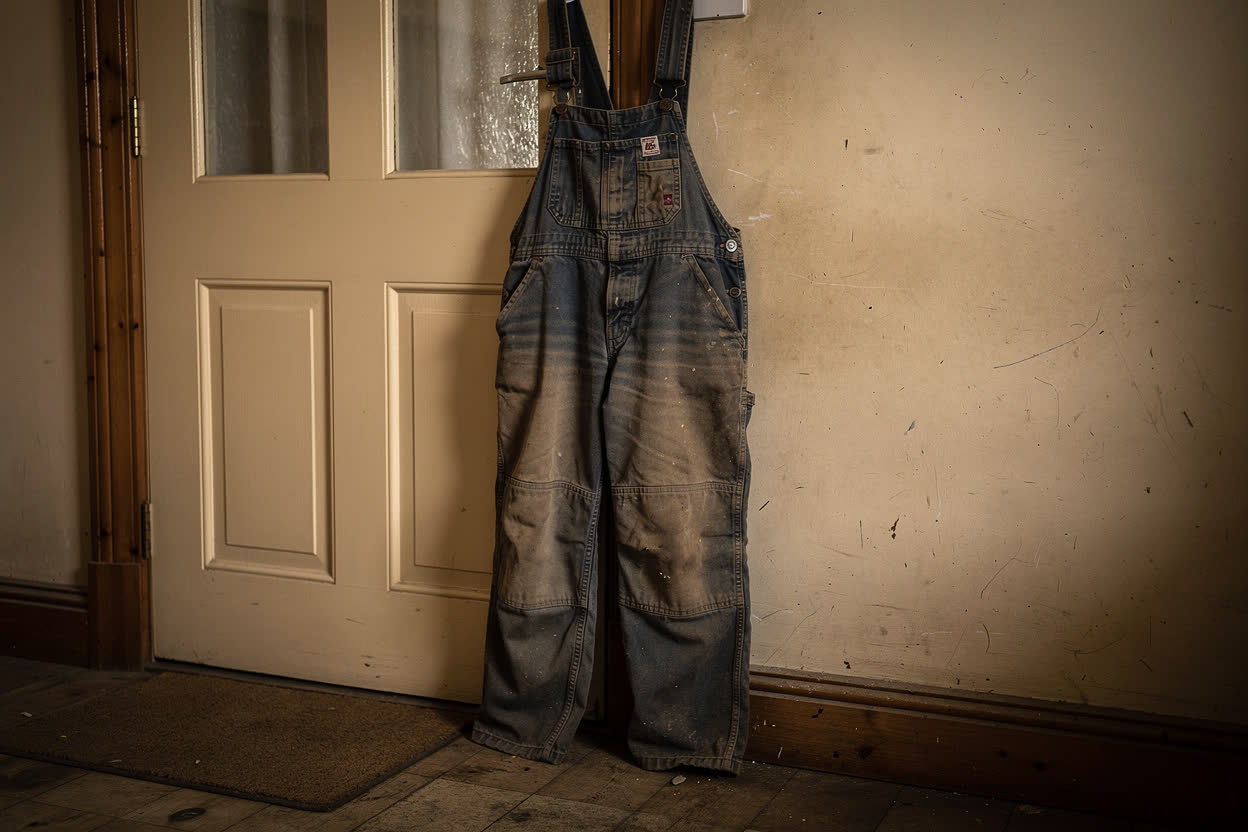
Asbestos does not only harm the person doing the work. Fibres can settle on clothing, hair, tools and vehicles, and travel wherever they go.

In the past, family members developed asbestos diseases simply from washing a worker’s overalls. People working nearby, and members of the public using a building, can also be exposed.

That is why asbestos must never be swept up, blown away or carried off site on your clothes. In Module 4 you will learn how to stop the spread if asbestos is disturbed.

Summary

In this module, you have learned that:

Asbestos is a natural fibrous mineral. Its fibres are invisible, and once breathed in they stay in the lungs for life.

Any building built or refurbished before 2000 may contain asbestos, from sprayed coatings and lagging to cement sheets and floor tiles.

Asbestos is dangerous when it is damaged or disturbed, and tradespeople who work on buildings are most at risk.

In the next module, we will look at the law, and the duties it places on employers, building owners and you.

Knowledge Check
Which type of asbestos is commonly known as white asbestos?
Select one answer, then press Check.
Crocidolite
Amosite
Chrysotile
Vermiculite
Correct. Chrysotile is known as white asbestos. Remember, you cannot identify any type of asbestos by its colour alone.
Not quite. White asbestos is chrysotile. Amosite is brown asbestos and crocidolite is blue asbestos. Try again.
Get the full course →Answer the question to unlock the next module.
Page 1 of 15